

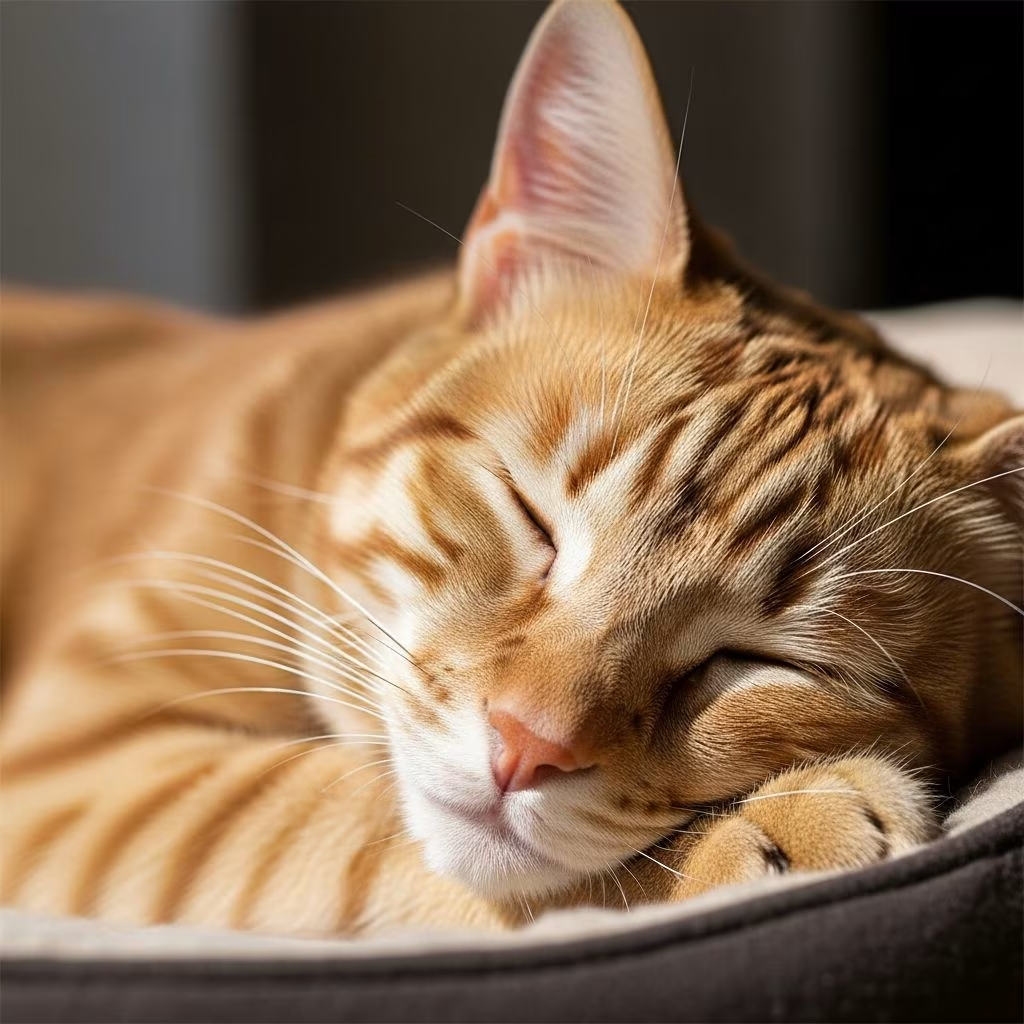
Cat snoring can be endearing, like a tiny chainsaw purring in your bed, but it often raises questions for pet owners. While occasional snoring during deep sleep is usually harmless, persistent or loud snoring may indicate underlying health problems requiring veterinary attention. This article, informed by veterinary expertise, breaks down the reasons cats snore, when to worry, diagnostic steps, and treatment options.
What Causes Snoring in Cats?
Snoring occurs when air vibrates loose tissues in the upper airway, such as the soft palate, uvula, or tonsils, during relaxed breathing. In cats, this happens primarily during sleep when throat muscles slacken, partially obstructing airflow and producing noise. Factors influencing snoring range from benign anatomical traits to serious medical conditions.
Brachycephalic Breeds
Flat-faced or brachycephalic breeds like Persians, Exotic Shorthairs, British Shorthairs, and Himalayans are prone to snoring due to their shortened nasal passages and elongated soft palates. These structural features crowd airway tissues into a smaller space, restricting airflow even at rest. Brachycephalic cats often snore consistently, awake or asleep, increasing risks of respiratory distress.
Obesity and Excess Weight
Overweight cats snore more frequently because fat deposits around the neck and throat compress airway tissues, narrowing passages. Obesity exacerbates snoring in all breeds but is particularly problematic in brachycephalics. Weight management through diet and exercise can significantly reduce or eliminate snoring.
Respiratory Infections and Inflammation
Upper respiratory infections (URIs), common in kittens and shelter cats, cause mucus buildup, swelling, and nasal congestion leading to snoring. Chronic conditions like rhinitis from past flu, asthma, or bronchitis inflame airways, compressing tissues and restricting airflow. Symptoms include wheezing, coughing, sneezing, and discharge.
Allergies and Environmental Irritants
Allergens such as dust, pollen, smoke, mold, or cleaning products inflame nasal passages, causing congestion and snoring. Cats with allergies may show scratching, watery eyes, or reverse sneezing alongside noisy breathing.
Nasal Blockages and Growths
Foreign objects like grass blades, nasal polyps (common in young cats), tumors, or neoplasia obstruct airways. Polyps are benign, stalk-like masses extending from the ear canal to the throat, causing snoring even when awake. Tumors are more frequent in older cats and may worsen progressively.
Dental Issues and Trauma
Severe dental disease like gingivitis can spread infections to sinuses and nasal passages, promoting inflammation and snoring. Head trauma from accidents damages nasal or throat tissues, leading to temporary snoring during recovery.
Other Causes
Rarer triggers include fungal infections (e.g., aspergillosis), bacterial infections (e.g., Bordetella), or nasopharyngeal stenosis—a narrowing of the throat from injury or surgery. Deep sleep positions or muscle relaxation alone can cause harmless snoring in healthy cats.
Is Cat Snoring Normal?
Occasional snoring during deep REM sleep is normal, especially in brachycephalic or overweight cats, due to relaxed throat muscles. However, snoring while awake, accompanied by labored breathing, mouth breathing, gagging, or blue gums signals an emergency. Persistent snoring in non-brachycephalic breeds or sudden onset warrants a vet check, as it may indicate obstruction or infection.
| Normal Snoring | Concerning Snoring |
|---|---|
| Occasional, during deep sleep only | Constant, awake or asleep |
| No other symptoms | With discharge, coughing, lethargy |
| Brachycephalic breeds | Sudden onset or worsening |
| Resolves with position change | Labored breathing, cyanosis |
When Should I Be Concerned About My Cat’s Snoring?
Worry if snoring is:
- Present while awake or worsens over time.
- Paired with nasal discharge, sneezing, coughing, eye issues, or appetite loss.
- Accompanied by open-mouth breathing, panting, or exercise intolerance.
- Sudden in a previously quiet cat, suggesting foreign body or infection.
Brachycephalic or obese cats with consistent snoring need monitoring, as partial obstructions can escalate to respiratory crisis. Young cats snoring may have polyps; seniors, tumors.
How Is Snoring in Cats Diagnosed?
Vets start with a physical exam, assessing airway patency, nasal discharge, and dental health. Diagnostics include:
- Bloodwork for infection or inflammation markers.
- Imaging: X-rays, CT scans to detect polyps, tumors, or stenosis.
- Rhinoscopy or nasal biopsies for growths or foreign objects.
- Allergy testing or cultures for infections.
History questions cover breed, weight, environment, and symptom onset guide targeted testing.
How to Stop Snoring in Cats
Treatment addresses root causes:
Lifestyle Changes
- Weight loss diets and increased activity reduce fat-related obstruction.
- Humidifiers or air purifiers alleviate allergies.
- Elevated bedding prevents airway collapse.
Medications
- Antibiotics or antifungals for infections.
- Steroids or bronchodilators for asthma/inflammation.
- Antihistamines for allergies.
Surgery
- Polyp removal via traction or ablation.
- Tumor excision or stents for stenosis.
- Foreign body extraction.
Brachycephalic cats may need corrective surgery for elongated palates, though breeding against extremes is ideal.
FAQs
Why does my cat snore all of a sudden?
Sudden snoring often stems from URIs, allergies, foreign objects, or trauma. Seek vet care if persistent.
Do all brachycephalic cats snore?
Most do due to anatomy, but severity varies. Obesity worsens it.
Can obesity cause snoring in cats?
Yes, excess neck fat narrows airways, increasing snoring risk.
Is snoring while awake dangerous?
Yes, it indicates obstruction needing immediate vet evaluation.
How can I reduce my cat’s snoring at home?
Maintain ideal weight, minimize allergens, use humidifiers, and monitor for changes.
Preventing Snoring Issues
Annual vet checkups catch early issues. Maintain healthy weight (BCS 4-5/9), vaccinate against URIs, and avoid smoke/irritants. For brachycephalics, choose ethical breeders minimizing extremes. Early intervention prevents complications like chronic respiratory disease.
In summary, while some snoring is cute and normal, vigilance ensures your cat’s airway health. Consult a vet promptly for changes.
References
- The Secrets Behind Cat Snoring — Everypaw. 2023. https://www.everypaw.com/all-things-pet/cat-snoring
- What Does It Mean When My Cat Snores? — Noble Vet Clinic. 2023. https://noblevetclinic.com/blog/what-does-it-mean-when-my-cat-snores
- Cat Snoring: Should You Be Concerned? — CCAH Veterinary Blog. 2023. https://ccahweb.com/veterinary-blog/cat-snoring/
- Snoring and Noisy Breathing (Stertor) in Cats — Vetster. 2023. https://vetster.com/en/symptoms/cat/snoring-and-noisy-breathing
- Should I Be Concerned About Snoring in My Dog or Cat? — Animal Medical Center. 2023-07-05. https://www.amcny.org/blog/2023/07/05/should-i-be-concerned-about-snoring-in-my-dog-or-cat/



