

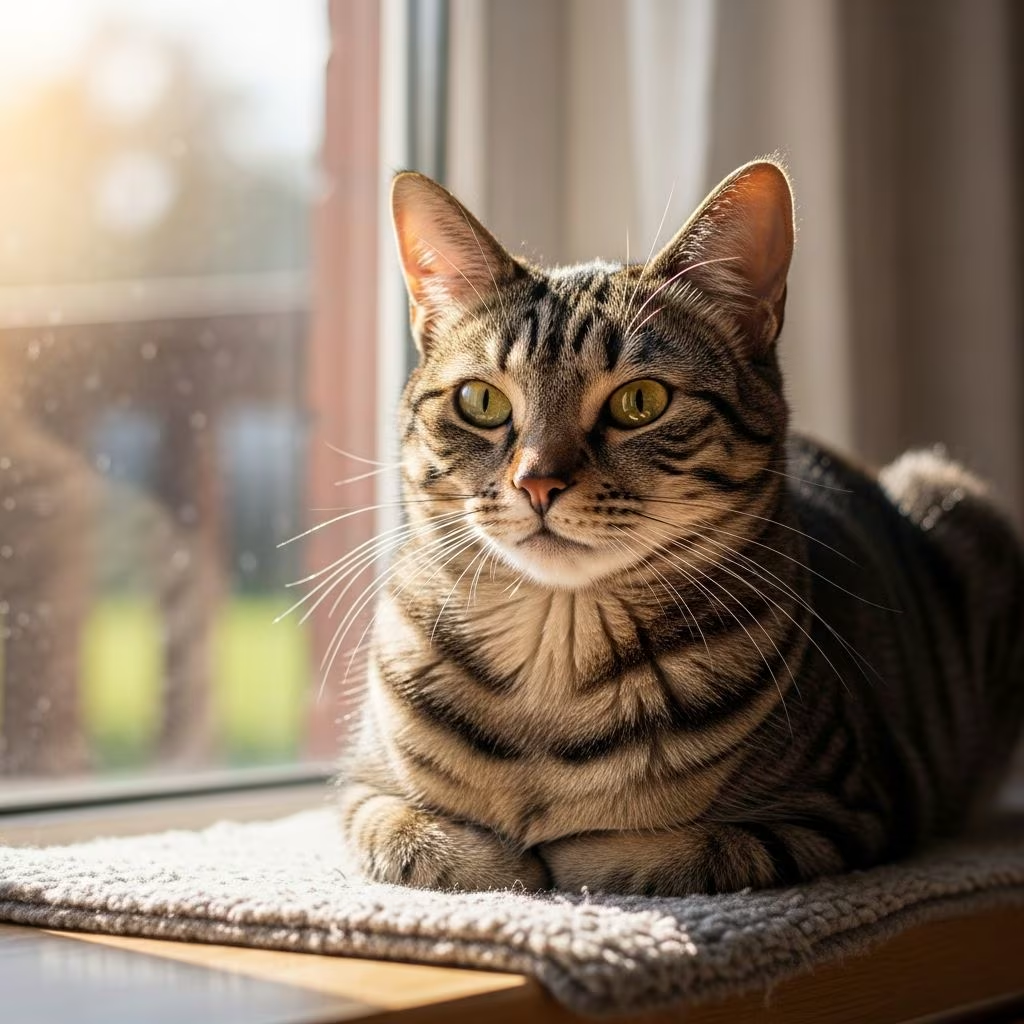
Cats have an enchanting quality that captivates their owners, and one of the most intriguing aspects is their naturally pleasant scent. Many cat parents find themselves drawn to nuzzling their feline companions, inhaling that soft, comforting aroma that seems uniquely feline. But what makes cats smell so good? The answer lies in a perfect blend of biology, behavior, and environment.
This irresistible fragrance isn’t accidental. Cats are meticulously clean animals, spending a significant portion of their day grooming themselves to maintain hygiene and distribute natural oils. Their saliva acts as a natural deodorizer, while pheromones from scent glands add a subtle, musky sweetness. Factors like diet, health, and even the home environment play supporting roles in crafting this beloved scent profile.
In this comprehensive guide, we’ll dive deep into the science and habits behind your cat’s alluring smell, covering grooming rituals, the role of saliva, pheromones, nutritional influences, environmental factors, and more. Whether you’re a new cat owner or a lifelong feline enthusiast, understanding these elements will deepen your appreciation for your pet’s natural charm.
Why do cats smell so good?
The secret to a cat’s pleasant aroma is rooted in their evolutionary biology and daily routines. Cats are naturally fastidious groomers, devoting 30-50% of their waking hours to licking and cleaning their fur. This behavior not only removes dirt, debris, and parasites but also spreads natural skin oils and antibacterial saliva across their coat, resulting in a fresh, shiny appearance and mild scent.
“Cats are naturally clean animals, and their fur often carries a soft, comforting scent due to their constant grooming,” explains cat behaviourist Axel Lagercrantz. Their saliva contains enzymes like lysozyme that break down odor-causing bacteria, preventing foul smells from developing. Additionally, sebaceous glands in the skin produce sebum—oils that moisturize the fur and emit a subtle, pleasant fragrance often described as warm or baked.
Beyond grooming, cats possess scent glands on their cheeks, forehead, chin, paws, and tail base. These glands secrete pheromones, chemical signals that cats use for communication but which humans perceive as a sweet, musky note. When your cat rubs against you or furniture, they’re marking territory while sharing this appealing scent.
Diet and hydration further enhance this natural perfume. High-quality, protein-rich food supports healthy skin and coat, minimizing odors from poor digestion or dry skin. Well-hydrated cats excrete waste efficiently, reducing lingering smells on their fur after litter box use. In essence, a cat’s good smell is a sign of vitality—a healthy cat simply smells better.
How natural grooming habits help cats smell good
Grooming is the cornerstone of a cat’s hygiene and scent management. Cats’ tongues are covered in tiny, backward-facing spines called papillae, functioning like a natural brush to detangle fur, remove loose hair, and scrub away grime. This raspy surface effectively lifts dirt and distributes saliva evenly, ensuring no patch of fur escapes cleaning.
“Grooming helps keep their coats clean, allows them to remove any critters or parasites, and acts as a way of self-soothing,” notes certified cat behaviour consultant Joey Lusvardi. The process also regulates body temperature through evaporation and reduces stress by releasing endorphins.
Cats groom in a systematic order: face first (using paws moistened with saliva), then body, legs, and tail. They even contort into acrobatic positions to reach every spot. This diligence prevents matting, which can trap odors, and promotes even oil distribution for a uniformly fresh coat.
- Frequent sessions: Cats groom 3-4 times daily, totaling up to 50% of awake time.
- Multi-purpose: Cleans, conditions, bonds (allogrooming with others), and signals health.
- Saliva synergy: Antibacterial agents kill bacteria, while enzymes dissolve proteins in stains.
Owners can support this by providing scratching posts and toys that mimic prey, encouraging natural behaviors without over-grooming that leads to bald spots.
Cat’s saliva
Cat saliva is a marvel of nature, packed with antimicrobial power. It contains histatins, lysozyme, and lactoperoxidase, which dismantle bacterial cell walls and neutralize odors at the source. Every lick applies this freshening layer, akin to a built-in perfume spritzer.
Studies show saliva’s pH balance and protein-dissolving capabilities make it superior for stain removal compared to water alone. However, excessive grooming from stress or allergies can lead to overproduction, sometimes causing a stronger scent—monitor for changes.
Diet and nutrition
What goes in affects what comes out, and for cats, diet directly influences their scent. A balanced, species-appropriate diet high in animal proteins and essential fatty acids like omega-3 and omega-6 nourishes skin glands, producing healthier sebum with milder odors.
“A scent-free diet—meaning one without strong artificial flavours, preservatives or strong-smelling ingredients—can help keep a cat’s overall scent mild,” advises Lagercrantz. Fish-heavy or low-quality foods with fillers can impart fishy or yeasty smells via skin or breath.
Hydration is key: Cats with ample water intake (via fountains or wet food) process waste better, reducing ammonia smells post-litter grooming. Probiotics support gut health, minimizing fecal odors that transfer to fur.
| Diet Type | Scent Impact | Key Nutrients |
|---|---|---|
| High-Protein (Meat-Based) | Mild, pleasant | Taurine, Omegas |
| Fish-Heavy | Fishy undertones | Potential thiaminase |
| Grain-Filled | Yeasty or musty | Carbs cause inflammation |
| Balanced Wet Food | Fresh, neutral | High moisture |
Transition diets gradually and consult vets for personalized advice, especially for seniors or those with sensitivities.
Environmental influences
Your home shapes your cat’s scent as much as their biology. Cats absorb and reflect ambient smells from fabrics, air fresheners, and litter.
Clean home environment
“A cat’s smell can be influenced by their environment so a cat living in a clean, fresh smelling home will be more likely to smell clean and fresh,” says expert Simmonds. Regular vacuuming, air purification, and unscented litter prevent odor buildup.
Low-stress setups with hiding spots and pheromone diffusers enhance well-being, indirectly supporting grooming efficacy.
Scent marking and bonding
Cats rub on owners’ belongings, blending their pheromones with familiar human scents—like laundry detergent or perfume—creating a hybrid aroma owners adore. Sleeping on beds transfers cozy notes.
Pheromones and scent glands
Pheromones are the subtle magic in a cat’s bouquet. Produced by glands, these volatiles signal safety and familiarity. Humans detect them as a comforting musk.
- Cheek/Head: Facial pheromones (F3) for affiliation.
- Paws: Corn-chip smell from yeast and sweat glands.
- Tail: Confidence markers.
Cats’ superior olfaction (14x human sensitivity) guides this.
Why does my cat’s fur smell sweet?
That sweet, sun-warmed scent stems from saliva enzymes, distributed oils, and pheromones. Home traces amplify it: “You often get that gentle ‘baked’ or ‘sun-warmed’ smell,” per Lagercrantz.
The bottom line: why your cat smells so good
Your cat’s scent symphony harmonizes grooming, saliva, diet, pheromones, and environment. It’s a health indicator—cherish it, but vet-check anomalies.
Frequently Asked Questions (FAQs)
Why does my cat’s fur smell sweet?
Cats’ fur smells sweet due to antibacterial saliva, natural oils from grooming, and pheromones from scent glands.
Do all cats smell good?
Healthy cats do, thanks to grooming and biology; illness or poor diet can alter this.
Why do cat paws smell like corn chips?
Paw sweat glands and bacteria/yeast create this quirky scent.
Can diet change my cat’s smell?
Yes, quality protein diets promote mild scents; avoid strong flavors.
Is a good-smelling cat always healthy?
Often, but consult a vet for sudden changes.
References
- Why Do Cats Smell Good: The Scientific Explanation — Uahpet. 2023-05-15. https://www.uahpet.com/blogs/hydration-health/why-do-cats-smell-good-the-scientific-explanation
- Why Does My Cat Smell So Good? — Kinship. 2024-02-20. https://www.kinship.com/uk/cat-lifestyle/why-does-my-cat-smell-so-good
- Why Do Cats Smell So Good? Feline Cleaning Habits & Facts — Catster. 2023-11-10. https://www.catster.com/lifestyle/why-do-cats-smell-so-good/
- Does your cat find your scent comforting? — American Veterinary Society of Animal Behavior (AVSAB). 2022-08-05. https://avsab.org/does-your-cat-find-your-scent-comforting/
- Feline olfaction and the extraordinary superpower of cat smell — Felidae Fund. 2023-07-12. https://felidaefund.org/news/general/feline-olfaction-and-the-extraordinary-superpower-of-cat-smell



