

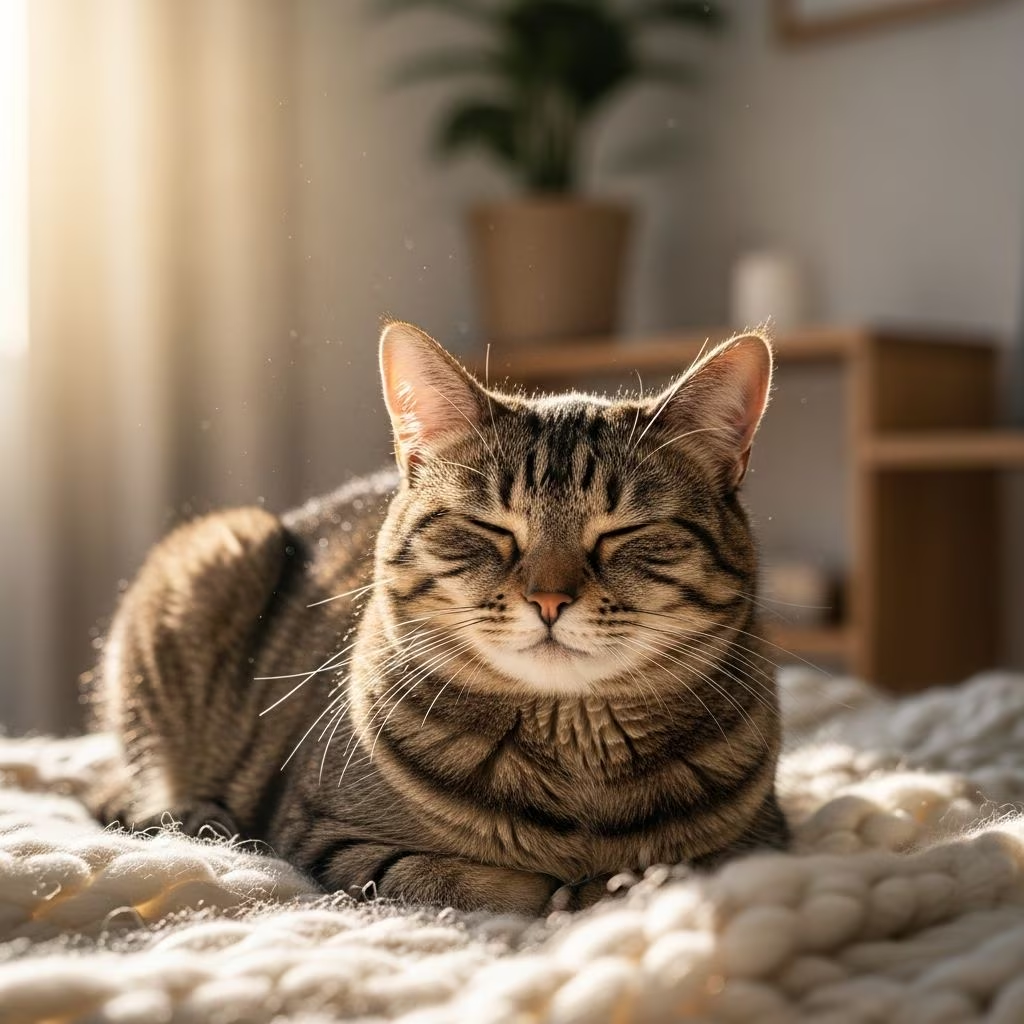
Cats are renowned for their pristine appearance and that enchanting, often sweet or comforting scent that draws pet owners closer. This pleasant aroma isn’t accidental—it’s a result of their evolutionary biology, grooming rituals, and daily habits. From the soft, sun-warmed fragrance of their fur to the subtle musky notes from scent glands, understanding why cats smell so good reveals the intricate ways felines maintain hygiene and communicate.
The Science of Feline Grooming: Nature’s Perfume Factory
Cats spend up to 50% of their waking hours grooming, a behavior rooted in their wild ancestors’ need to stay undetectable to prey and predators. This meticulous self-care is the primary reason for their fresh scent. Their rough tongues, covered in tiny, backward-facing spines called papillae, act like natural combs, detangling fur, removing dirt, debris, and loose hair.
During grooming, cats deposit saliva across their coat. This saliva contains enzymes with antibacterial properties that break down odor-causing bacteria, leaving the fur neutral or sweetly scented. “Cats are naturally clean animals, and their fur often carries a soft, comforting scent due to their constant grooming,” explains cat behaviourist Axel Lagercrantz. The result is a coat that smells clean and healthy, often described as ‘baked bread’ or ‘popcorn-like’ by devoted owners.
- Rough tongue efficiency: Removes 90% more debris than a soft brush, distributing oils evenly.
- Saliva benefits: Natural antiseptic qualities prevent bacterial buildup and odors.
- Frequency: Adult cats groom 3-4 times daily, ensuring constant freshness.
Sebum Oils: The Secret Ingredient in Cat Fragrance
Beneath the grooming lies sebum, a natural oil produced by sebaceous glands at the base of hair follicles. As cats lick their fur, they spread this waxy substance, which waterproofs the coat, keeps it supple, and imparts a distinctive pleasant aroma. Sebum contains unique fatty acids that many humans perceive as mildly sweet or yeasty—think warm corn tortillas or fresh popcorn.
These oils not only moisturize but also trap subtle scents from the cat’s environment, enhancing their overall fragrance profile. A healthy sebum production leads to shiny fur and that coveted ‘clean cat smell.’ Poor diet or health issues can disrupt this balance, leading to drier fur and less appealing odors, underscoring sebum’s role in feline allure.
Pheromones: Chemical Messaging with a Pleasant Twist
Cats possess scent glands on their cheeks, forehead, chin, paws, tail base, and between toes, secreting pheromones—volatile chemical signals for communication. When your cat rubs against you or furniture, they’re marking territory with these invisible signatures, which often carry a musky, comforting scent to humans.
Feline pheromones, particularly facial ones (F3), promote calm and familiarity. This is why snuggling your cat feels soothing; their scent triggers oxytocin release in both of you, fostering bonding. Paws, in particular, have sweat glands and bacteria that produce a ‘corn chip’ aroma from yeast and pheromones—a quirky but endearing trait many cat lovers adore.
| Scent Gland Location | Purpose | Scent Profile |
|---|---|---|
| Cheeks/Forehead | Territorial marking, affiliation | Sweet, musky |
| Paws/Toes | Ground scenting | Corn chips, yeasty |
| Tail Base | Identity signaling | Subtle, warm |
Diet and Hydration: Fueling a Fragrant Coat
What your cat eats directly impacts their scent. A high-quality, protein-rich diet with omega-3 and omega-6 fatty acids supports skin health, sebum production, and a glossy coat that smells fresh. Dehydration or poor nutrition can lead to dull fur and stronger body odors from imbalanced gut bacteria.
- Protein focus: Mimics natural prey diet, aiding digestion and reducing fecal odors.
- Fatty acids: Omega sources like fish oil enhance coat shine and neutral scent.
- Hydration: Wet food or fountains encourage water intake, flushing toxins for better smell.
Switching to premium kibble or wet food often restores that signature fragrance, as nutrient deficiencies manifest quickly in scent changes.
Environmental Factors: Absorbing Home Aromas
Your cat’s scent doesn’t exist in a vacuum—it’s influenced by surroundings. A clean home free of smoke, strong cleaners, or litter box issues keeps their fur pristine. Cats lounging on laundry, beds, or sunny spots absorb subtle household scents, blending them with their natural aroma for a ‘homey’ appeal.
Low-stress environments amplify this; relaxed cats groom more effectively and release calming pheromones. Conversely, stress from loud noises or multi-pet homes can alter scent via cortisol spikes, making it sharper or less pleasant.
Why Does My Cat’s Fur Smell Sweet?
The ‘sweet’ scent—often likened to baked goods—stems from saliva compounds, evenly distributed sebum, and pheromones. Grooming flattens fur and spreads these elements, creating a uniform, inviting fragrance. Environmental traces, like clean bedding, add layers of warmth. “You often get that gentle ‘baked’ or ‘sun-warmed’ smell cat parents adore,” notes Lagercrantz. Individual variations exist based on breed, age, and health, but healthy cats universally exude this charm.
When to Worry: Bad Smells and Vet Visits
While most cats smell divine, sudden foul odors signal issues:
- Ear infections: Yeasty or rotten smell from wax buildup.
- Dental disease: Halitosis from tartar or gingivitis.
- Skin conditions: Musty odors from allergies, fleas, or infections.
- Anal gland problems: Fishy scent from impaction.
- Dietary upset: Gassy smells from food intolerance.
“While a nice-smelling cat is often a healthy one, any strong or unusual odour should be checked out by a vet,” advises Lagercrantz. Routine check-ups, dental care, and flea prevention maintain that perfect scent.
Frequently Asked Questions (FAQs)
Do all cats smell good?
Healthy cats typically do due to grooming and oils, but breeds like Sphynx may vary without fur. Illness or poor care alters this.
Why do cat paws smell like corn chips?
Paw sweat glands, bacteria, and yeast produce isovaleric acid, mimicking Fritos. It’s normal unless accompanied by redness.
Can diet change my cat’s smell?
Yes—high-quality, fatty acid-rich food promotes healthy skin and fresh scent; junk food leads to odors.
Why does my cat smell like my laundry?
Cats rub on fabrics, transferring pheromones and absorbing scents, blending them into their natural aroma.
Maintaining Your Cat’s Irresistible Scent
To preserve that beloved fragrance, provide a balanced diet, fresh water, clean litter, regular brushing, and stress-free spaces. Avoid over-bathing, as it strips natural oils—dry shampoos suffice for most. Your bond enhances it too; petting spreads scents mutually, deepening the comforting ritual.
In essence, your cat’s scent is a symphony of biology and lifestyle—a testament to their self-sufficiency and your care. Cherish it as a sign of vitality and love.
References
- Why Do Cats Smell Good: The Scientific Explanation — Uahpet. 2023-05-15. https://www.uahpet.com/blogs/hydration-health/why-do-cats-smell-good-the-scientific-explanation
- Why Does My Cat Smell So Good? — Kinship. 2024-08-20. https://www.kinship.com/uk/cat-lifestyle/why-does-my-cat-smell-so-good
- Why Cats Smell So Good? — Pottycats. 2023-11-10. https://pottycats.com/blogs/cat-care/why-cats-smell-so-good
- Why Do Cats Smell So Good? Feline Cleaning Habits & Facts — Catster. 2024-03-12. https://www.catster.com/lifestyle/why-do-cats-smell-so-good/
- Cats Can Smell Better Than Dogs — Animal Health Institute (ahi.org). 2022-07-18. https://ahi.org/cats-can-smell-better-than-dogs/



