

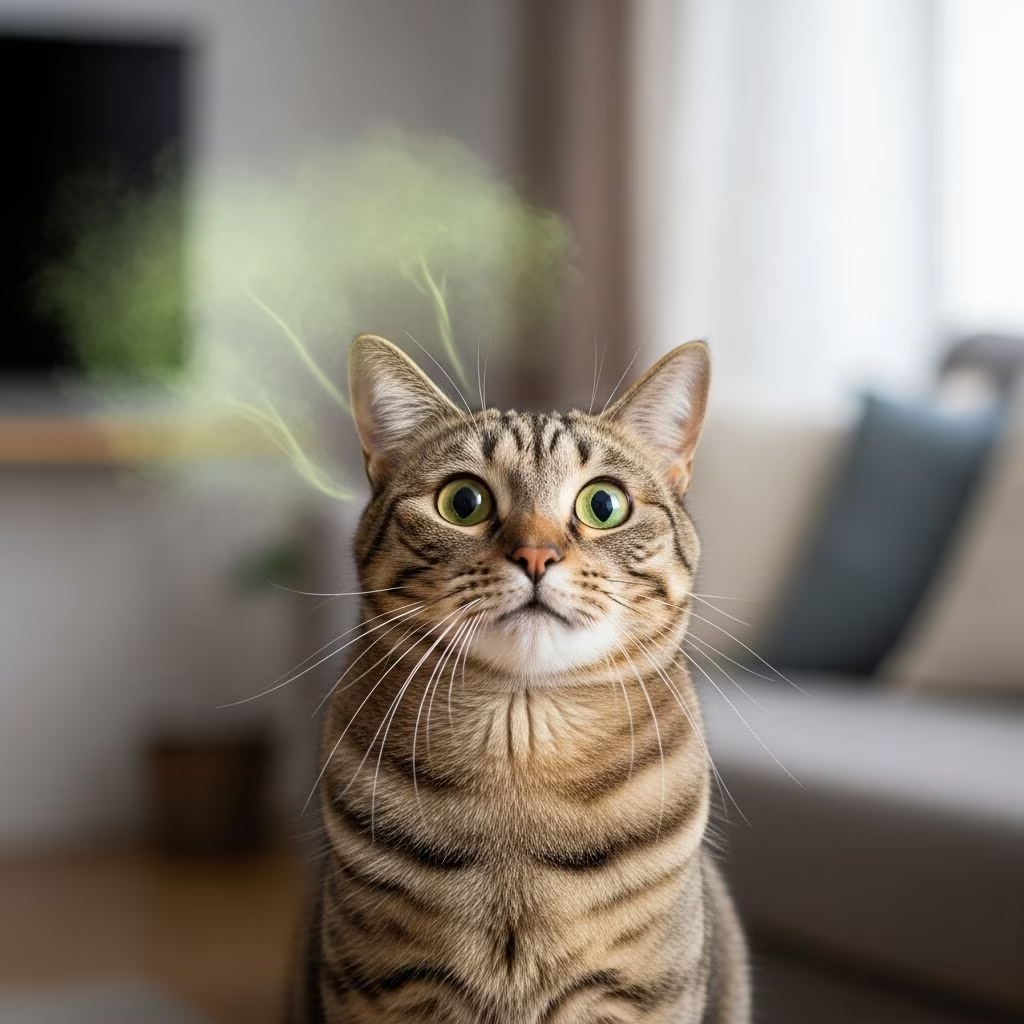
A rotten egg or sulfur smell emanating from your cat can be alarming and often points to an underlying health issue. This distinctive odor, caused by hydrogen sulfide gas produced by certain bacteria, is commonly linked to oral infections, digestive problems, or anal gland complications. While occasional mild smells might stem from diet, persistent odors warrant immediate veterinary attention to prevent serious conditions like periodontal disease affecting up to 85% of cats over age three.
The 7 Reasons That Your Cat May Smell Like Rotten Eggs
Understanding the root cause is essential for effective treatment. Here are the most common culprits behind this foul odor, based on veterinary insights.
1. Periodontal Disease
**Periodontal disease** is the leading cause of rotten egg breath in cats. Bacteria in plaque and tartar buildup produce sulfur compounds as they break down food particles and infected gum tissue. Signs include bad breath, drooling, pawing at the mouth, red or bleeding gums, and difficulty eating. Up to 85% of cats over three years suffer from this, making regular dental checks crucial.
- Yellow or brown tartar on teeth
- Loose or missing teeth
- Excessive salivation
- Loss of appetite due to pain
Treatment involves professional cleaning under anesthesia, antibiotics, and dental diets to manage plaque.
2. Type of Food (Diet)
Your cat’s diet directly influences body odors. High-protein foods, especially fish-based or raw diets, can produce sulfurous gas during digestion. Sudden diet changes disrupt gut bacteria, leading to smelly flatulence or stool. Dairy products exacerbate issues in lactose-intolerant cats, common in adults.
- Fish-heavy kibble or treats
- High-sulfur proteins like eggs
- Carbohydrate-rich foods causing fermentation
Switch to a vet-recommended, balanced diet gradually. Monitor for allergies, which can cause gastrointestinal upset and odors.
3. Ear Infection
Ear infections from bacteria, yeast, or mites produce a foul, sulfur-like smell. Cats may shake their head, scratch ears, or tilt their head. Dark discharge and redness are common signs.
- Bacterial or fungal overgrowth
- Ear mites (Otodectes cynotis)
- Underlying allergies amplifying infections
Vets diagnose via ear swab and treat with topical cleaners, antibiotics, or anti-parasitics. Chronic cases may need allergy testing.
4. Anal Glands
Anal glands, located near the rectum, secrete a pungent, fishy-rotten egg substance for marking. Impaction, infection, or stress causes improper expression, leading to scooting, licking, or a strong rear-end smell. Soft stools prevent natural emptying.
- Scooting on floors
- Excessive rear licking
- Blood or pus from glands
- Fright-induced expression
Veterinary expression, flushing, or surgery for recurrent issues is often required. High-fiber diets aid natural expression.
5. Lack of Grooming
Cats are fastidious groomers, but obesity, arthritis, or illness hinders this, allowing feces, urine, or oils to build up in fur—especially in long-haired or senior cats. This traps bacteria, creating sulfur odors.
- Overweight cats with limited reach
- Elderly cats with mobility issues
- Diarrhea matting fur
Regular brushing, vet-prescribed weight loss, and pain management for arthritis restore hygiene.
6. Skin Infection
Skin wounds, allergies, parasites, or abscesses disrupt the skin barrier, fostering bacteria that emit rotten egg smells. Yeast infections add a musty note.
- Red, itchy patches or hot spots
- Parasites like fleas or ringworm
- Abscesses from fights
Topical or oral antibiotics, antifungals, and flea control resolve most cases. Address allergies with hypoallergenic diets or meds.
7. Dirty Litter Box
A filthy litter box breeds ammonia and sulfur from urine/feces residue sticking to paws and fur. Infrequent cleaning amplifies odors.
- Daily scooping neglected
- Clumping litter saturation
- Multiple cats overwhelming one box
Scoop daily, fully change weekly, and use odor-control litter. Provide one box per cat plus one extra.
Other Potential Causes
Beyond the top seven, consider digestive issues like inflammatory bowel disease, parasites (Giardia), or food intolerances causing gas. Systemic diseases (kidney/liver failure, diabetes) alter breath odors. Upper respiratory infections or oral tumors also contribute.
| Cause Category | Common Symptoms | Treatment Overview |
|---|---|---|
| Dental/Oral | Halitosis, drooling, gum inflammation | Cleaning, antibiotics, dental care |
| Digestive/Gas | Flatulence, soft stool, appetite loss | Diet change, deworming, probiotics |
| Anal Glands | Scooting, licking, rear odor | Expression, antibiotics, diet fiber |
| Skin/Ear | Itching, discharge, wounds | Topicals, meds, parasite control |
When to See a Vet
Schedule a visit if the smell persists beyond 24-48 hours, accompanies vomiting, diarrhea, lethargy, weight loss, or behavioral changes. Bring a fecal sample for parasite checks and note diet/history. Early intervention prevents complications like tooth loss or chronic infections.
Treatment and Prevention Strategies
Prevention starts with routine care:
- Annual vet exams with dental checks
- Daily tooth brushing with pet toothpaste
- High-quality, species-appropriate diet
- Weekly grooming and litter maintenance
- Parasite preventives year-round
Treatments vary: antibiotics for infections, diet trials for GI issues, surgical glandectomy for severe anal problems. Probiotics support gut health post-antibiotics.
Frequently Asked Questions (FAQs)
Q: Why does my cat smell like rotten eggs from the mouth?
A: Primarily periodontal disease where oral bacteria produce sulfur gases. Other causes include stomatitis, kidney disease, or dietary factors. Vet dental exam recommended.
Q: Can diet alone cause my cat to smell like sulfur?
A: Yes, fish-heavy, raw, or high-carb foods lead to smelly gas. Transition diets slowly and opt for premium formulas.
Q: How do I know if it’s anal gland problems?
A: Look for scooting, fishy-egg odor from rear, licking. Vet manual expression confirms.
Q: Is a rotten egg smell from ears serious?
A: Often bacterial/yeast infections or mites. Untreated leads to pain/hearing loss. Clean and medicate as vet directs.
Q: What if my cat has diarrhea and smells like rotten eggs?
A: Possible parasites (Giardia), IBD, or allergies. Fecal test and diet trial needed.
Q: How to prevent grooming-related odors?
A: Brush regularly, manage weight, treat arthritis. Bathe sparingly with cat shampoo if needed.
References
- Why Does My Cat Smell Like Rotten Eggs? Causes and Solutions — PetsCare. 2023-05-15. https://www.petscare.com/en-gb/news/post/cat-smell-like-rotten-eggs
- Why Does My Cat Smell Like Rotten Eggs? Our Vet Discusses — Catster. 2024-08-20. https://www.catster.com/ask-the-vet/why-does-my-cat-smell-like-rotten-eggs/
- Why Does My Cat Smell Like Rotten Eggs? Our Vet Explains — Hepper. 2024-03-12. https://articles.hepper.com/why-does-my-cat-smell-like-rotten-eggs-vet-answer/
- Cat Smells Like Rotten Eggs — Dial a Vet. 2024-01-10. https://www.dialavet.com/vet-answers/cat-smells-like-rotten-eggs-64401
- Smelly Cats & Other Questions About Cat Anal Glands — Hastings Vet. 2023-11-05. https://hastingsvet.com/smelly-cats-other-questions-about-cat-anal-glands/
- Causes of Bad Odors in Cats — PetMD. 2024-06-18. https://www.petmd.com/cat/general-health/causes-bad-odors-cats



