

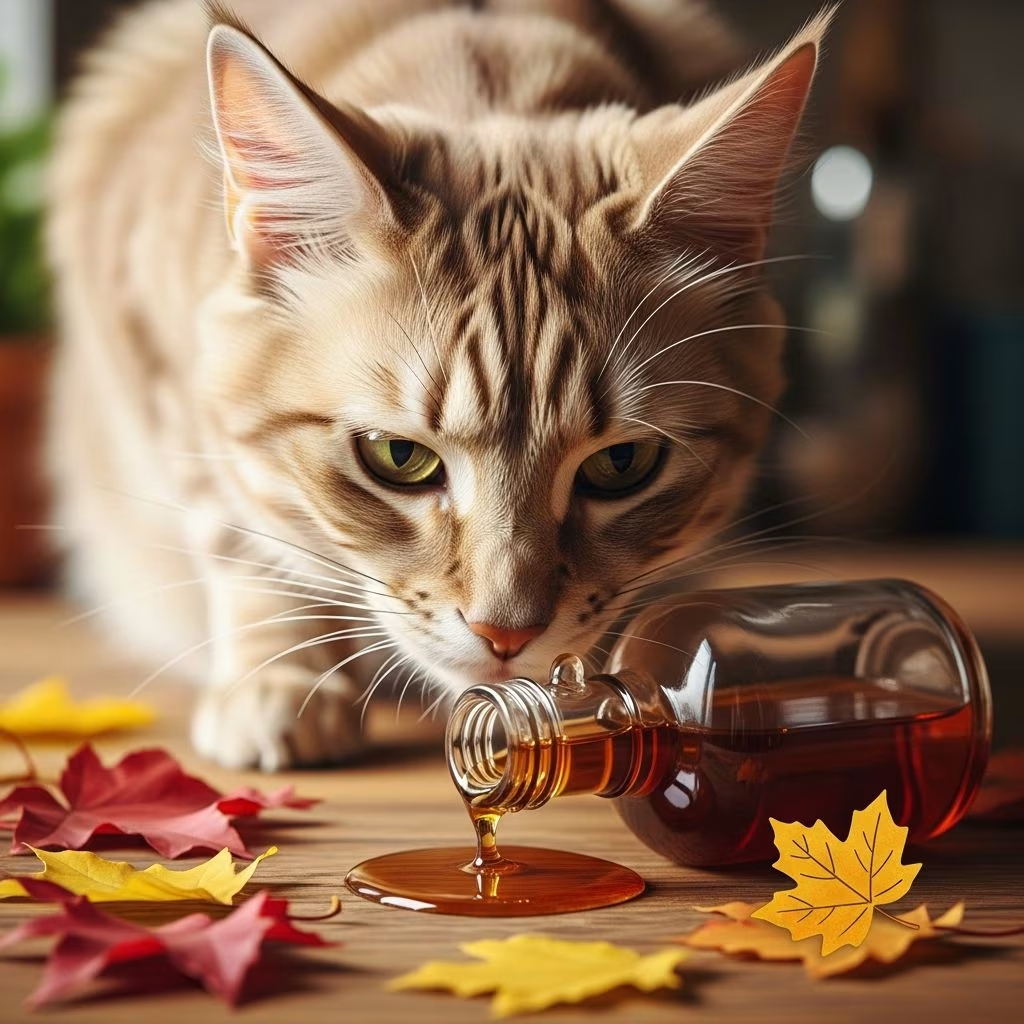
A maple syrup-like smell emanating from your cat is not normal and often points to an underlying health issue, most commonly diabetes or metabolic imbalances producing ketones with a sweet odor. This unusual scent, described as sweet, fruity, or syrupy, typically arises from the breath, urine, or coat and requires prompt veterinary attention to prevent serious complications.
Understanding the Maple Syrup Smell in Cats
Cats naturally have minimal body odor due to their grooming habits, so a distinct sweet smell like maple syrup stands out as abnormal and is frequently linked to diabetic ketoacidosis (DKA), where the body breaks down fat for energy, releasing acetone—a ketone with a characteristic syrupy aroma. In diabetes mellitus, insufficient insulin prevents glucose use, leading to fat metabolism and ketone buildup detectable in breath or urine. Other symptoms include excessive thirst (polydipsia), frequent urination (polyuria), unexplained weight loss, lethargy, and a dull coat.
This odor can also stem from urinary tract infections (UTIs), where bacteria alter urine chemistry, potentially creating sweet notes alongside straining, blood in urine, or frequent litter box visits. Liver disease impairs toxin clearance, causing sweet or musty breath from ammonia accumulation, often with jaundice, vomiting, or abdominal swelling. Non-diabetic ketonuria from fasting, starvation, or high-protein diets can mimic this, but persistence demands testing. Rare metabolic disorders akin to human maple syrup urine disease (MSUD)—involving branched-chain amino acid breakdown issues—may theoretically occur, though undocumented in cats.
Medical Causes of Maple Syrup Smell in Cats
- Diabetes Mellitus: Primary culprit; high blood sugar spills glucose into urine, fostering bacteria, while ketones produce the sweet scent. Affects 1 in 200 cats, more common in obese or older felines.
- Diabetic Ketoacidosis (DKA): Advanced stage; acetone breath is hallmark, alongside dehydration, vomiting, and collapse—emergency.
- Urinary Tract Infections: Bacteria like those producing sugary metabolites; usually foul but can be sweet.
- Liver Disease: Hepatic encephalopathy leads to sweet breath; check for yellow gums, poor appetite.
- Chronic Kidney Disease: Toxin buildup yields ammonia-sweet smell, prevalent in seniors with increased drinking/urination.
- Skin or Respiratory Infections: Fungal, bacterial, or parasitic issues alter scent; look for scratching, coughing.
Non-Medical Causes: When It’s Not a Health Issue
Not all cases are dire; external factors can cause temporary sweet odors. Cats accessing maple syrup spills, sweetened foods, or artificial flavorings leave sticky residues on fur or paws. Grooming products with vanilla, caramel, or syrup fragrances cling to coats—review recent shampoos or sprays. Environmental sources like scented candles, air fresheners, or contaminated fabrics transfer smells during rubbing. Diet shifts to foods with fish oil or high-fructose ingredients may influence scent via digestion. Mold in humid homes can impart sweet notes and pose respiratory risks.
To differentiate, bathe with unscented cat shampoo and monitor; if odor vanishes in 24-48 hours without recurrence, it’s likely external.
Key Symptoms to Watch For
| Symptom | Associated Cause | Severity |
|---|---|---|
| Sweet breath/urine | Diabetes/DKA | High – Vet ASAP |
| Increased thirst/urination | Diabetes, Kidney Disease | High |
| Weight loss, lethargy | Diabetes, Liver Issues | High |
| Straining to urinate | UTI | Medium-High |
| Jaundice, vomiting | Liver Disease | Emergency |
| Scratching, poor coat | Skin Infections | Medium |
| Sticky paws, no other signs | Environmental | Low – Observe |
This table summarizes symptoms from reliable veterinary insights; persistent sweet odor with any high-severity signs warrants immediate care.
When to See a Vet: Don’t Delay
Any maple syrup smell persisting beyond 24 hours, especially with thirst, urination changes, or lethargy, requires veterinary evaluation. Early diabetes detection via blood glucose and urine ketone tests prevents DKA; delays risk coma or death. UTIs need antibiotics; liver issues demand panels and ultrasounds. Vets may perform:
- Bloodwork: Glucose, ketones, liver enzymes.
- Urinalysis: Ketones, glucose, bacteria.
- Imaging: Ultrasound for kidneys/liver.
Err on caution—unusual odors signal metabolic distress.
Diagnosis and Treatment Options
Diagnosis starts with history, physical exam, then lab tests confirming hyperglycemia (>300 mg/dL), glucosuria, ketonuria. Diabetes treatment involves insulin injections (e.g., glargine), diet overhaul to low-carb prescription foods, and monitoring. DKA hospitalization includes fluids, electrolytes, and insulin therapy. UTIs resolve with 7-14 day antibiotics post-culture. Liver support uses medications like SAM-e, milk thistle (vet-approved), and diet. Skin infections require antifungals or topicals.
Prognosis excels with early intervention; managed diabetic cats live normal spans.
Prevention Tips for Cat Owners
- Maintain ideal weight: Obesity triples diabetes risk—measure food, limit treats.
- Annual vet checkups: Bloodwork screens early.
- Balanced diet: High-protein, low-carb; avoid sugary human foods.
- Monitor litter: Note urine volume/frequency.
- Clean environment: Reduce mold, secure sweets.
- Groom regularly: Early odor detection.
These steps, per veterinary guidelines, minimize risks.
Frequently Asked Questions (FAQs)
Why does my cat smell like maple syrup all of a sudden?
Usually diabetes or ketosis from fat breakdown; other causes include UTIs or external syrup exposure.
Is a maple syrup smell from my cat dangerous?
Yes, often indicates DKA—a medical emergency alongside thirst and weakness.
How do I know if it’s diabetes causing the smell?
Combine sweet odor with polydipsia, polyuria, weight loss; confirm via vet blood/urine tests.
Can diet cause my cat to smell like syrup?
Possibly, via certain ingredients or if syrup was ingested; switch foods gradually under vet guidance.
What if bathing doesn’t remove the maple syrup smell?
Medical issue likely—seek vet care immediately.
Final Thoughts on Cat Odors
Trust your nose: A sweet maple syrup scent in cats is a red flag for diabetes or other conditions, not a quirky trait. Prompt action saves lives and maintains quality. Regular wellness keeps your feline thriving.
References
- Why Does My Cat Smell Like Maple Syrup? Medical Causes — Alibaba Cat Lovers. 2024. https://catlovers.alibaba.com/question/why-does-my-cat-smell-like-maple-syrup
- Cat Smells Like Maple Syrup — Dial A Vet. 2024. https://www.dialavet.com/vet-answers/cat-smells-like-maple-syrup-15029
- Why Does My Cat Smell Like Maple Syrup? – PetGuide360.com — YouTube/PetGuide360. 2024-11-12. https://www.youtube.com/watch?v=DoyRDXWMtJY
- Maple Syrup Urine Disease — Wikipedia. Accessed 2026. https://en.wikipedia.org/wiki/Maple_syrup_urine_disease



