

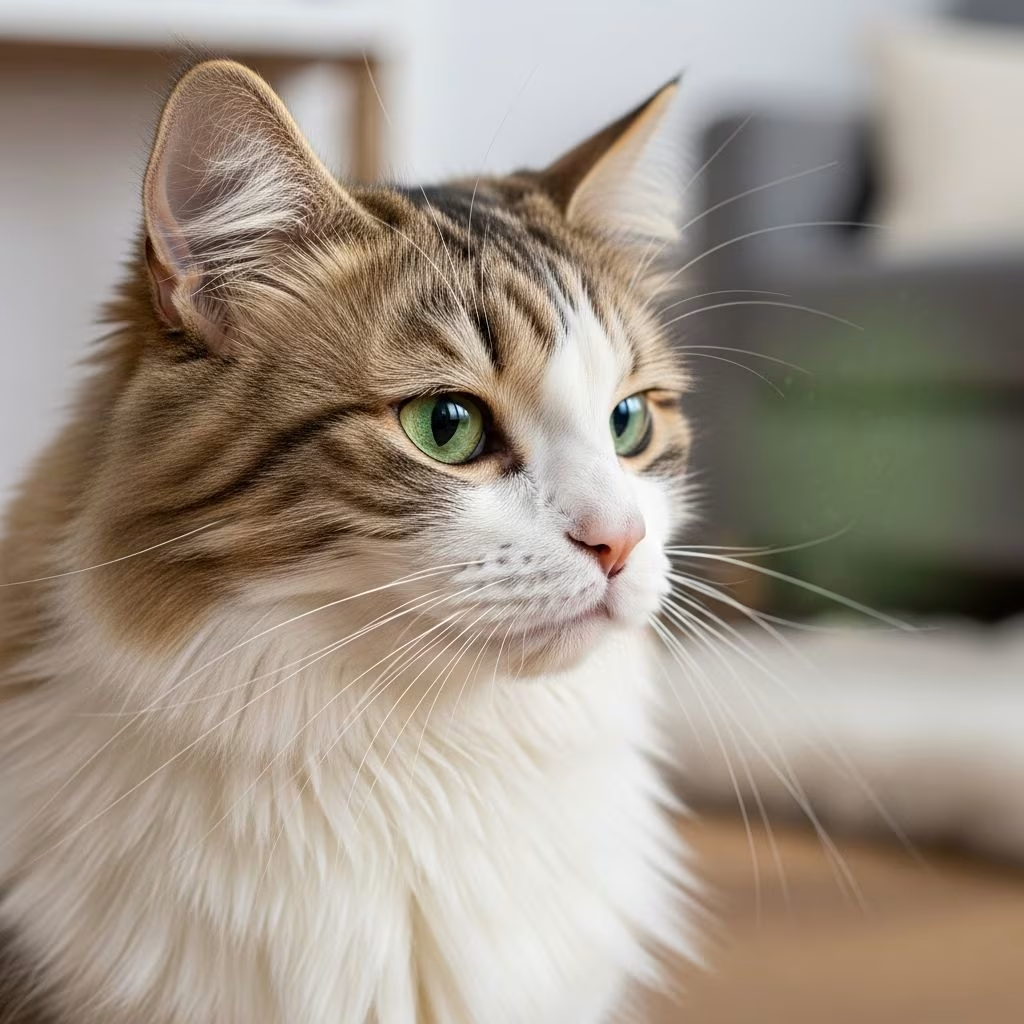
If you’ve noticed an unpleasant odor coming from your feline friend, you’re not alone. Many cat owners struggle with various types of cat odors, ranging from bad breath to skin-related smells. A healthy cat should not have consistently foul-smelling breath or body odor—this is usually a sign of underlying health issues that require attention. Understanding the root causes of these odors is the first step toward helping your cat feel better and smell fresher.
Understanding Cat Odors: When Bad Smell Signals Health Issues
Cats are naturally clean animals and typically maintain excellent personal hygiene through grooming. When your cat develops a noticeable odor, it’s often your cat’s way of telling you something isn’t quite right. Various factors can contribute to feline odors, from oral health problems to serious systemic diseases. Identifying the source of the smell is crucial for determining the appropriate treatment and preventing more serious health complications.
Dental Disease: The Primary Culprit
Dental disease is the most common cause of bad breath in cats. The buildup of plaque and tartar on your cat’s teeth creates an ideal environment for bacterial growth. These bacteria don’t simply sit idle on your cat’s teeth—they actively feed on food particles and dead tissue, producing smelly waste compounds that create the distinctive foul odor recognized as bad breath.
How Dental Disease Develops
As bacteria in tartar multiply, they begin attacking the gum tissue. This progressive process leads to inflammation (gingivitis) and, eventually, infection. When gums become infected and inflamed, they release foul-smelling compounds, while the bacteria continue producing more smelly waste products. Together, these processes cause bad breath to worsen significantly.
Several specific dental conditions contribute to oral malodor in cats:
- Gingivitis: Red, inflamed gums resulting from plaque accumulation near the gumline
- Periodontitis: A progressive condition where inflammation affects additional tooth-supportive tissues, including the tooth socket, bone, and periodontal ligament
- Tooth abscesses: Infected tooth roots that create localized infections and severe bad breath
- Loose or missing teeth: These create abnormal pockets where food lodges and rots, promoting bacterial overgrowth
Feline Chronic Gingivostomatitis
One particularly serious condition is feline chronic gingivostomatitis, where a cat’s immune system overreacts and attacks healthy tissue in the mouth. This painful inflammatory condition creates the perfect environment for bacterial overgrowth, resulting in sore, bleeding lesions and severe bad breath. Dental disease, environmental stress, and a weak immune system can trigger this condition.
Systemic Health Issues: When Bad Breath Indicates Serious Disease
Beyond dental problems, bad breath can signal serious underlying health conditions. These systemic diseases require prompt veterinary attention, as the odor is often a symptom of a larger health crisis.
Diabetes and Sweet-Smelling Breath
Diabetes in cats creates a distinctive sweet-smelling or fruity breath that tells a biological story. When a cat has diabetes and cannot properly process glucose, the body breaks down fat stores for energy instead. This metabolic process leads to the production of ketones, which create the sweet-smelling breath. This sweet odor indicates that your cat’s body is in crisis mode. The condition, called diabetic ketoacidosis, can be life-threatening if left untreated.
Kidney Disease and Ammonia or Fishy Odors
A healthy cat’s kidneys continuously filter waste products from the blood. However, when kidney disease develops, this filtration system begins to fail. Healthy kidneys remove waste products from your cat’s bloodstream so they can be eliminated through urine. When kidney function declines, these waste products build up in the blood. Some of these toxic compounds travel to your cat’s lungs and are released with the breath, often creating an ammonia-like or fishy-smelling odor.
Liver Disease and Musty Odors
Your cat’s liver serves as the primary detoxification center of their body, turning toxic metabolic waste products into harmless substances that can be safely eliminated. When liver disease strikes, this crucial detoxification process becomes compromised. As liver function declines, toxins aren’t converted to safer compounds and accumulate in your cat’s bloodstream. Many of these toxic compounds can be released through your cat’s breath, often producing a distinct musty or fishy odor.
Other Common Causes of Bad Breath
Respiratory Infections
Infections in the respiratory tract, such as sinus or upper respiratory infections, can cause bad breath in cats, much like they do in humans. These infections create an environment where odor-producing bacteria thrive.
Foreign Objects and Mouth Injuries
Cats occasionally get small objects stuck between their teeth or embedded in their gums. These trapped items collect bacteria and decomposing food, creating localized infections and bad breath. Similarly, injuries to oral tissues can become infected and produce foul odors.
Diet-Related Odors
A common reason for fishy-smelling breath in cats is their diet. If your cat is consuming fish-based cat food or treats, it can leave a lingering fishy odor on their breath. This smell is often more pronounced when cats eat canned or wet food instead of dry kibble. Additionally, wet food or diets that don’t encourage chewing can result in food particles sticking between teeth, promoting bacterial growth.
Anal Gland Issues
Anal glands, or anal sacs, are two small pouches on either side of the anus that produce a foul-smelling fluid. During defecation, the glands express onto the feces as a scent marker. However, some cats may intermittently get overfull glands that express during periods of nervousness or surprise. Since cats are fastidious groomers, cleaning their anal region can lead to oral malodor when they groom themselves.
Skin-Related Odors
Beyond the mouth, various skin conditions can cause your cat to emit unpleasant odors. Skin infections, wounds, allergies, or parasites can cause excessive grooming and leave your furry friend’s coat a foul-smelling, oily mess. Bacterial or yeast infections and other underlying health conditions can also cause putrid or musty smells. If your cat’s skin is stinkier than usual, a veterinary visit is essential to identify and treat the underlying cause.
Identifying Different Types of Cat Odors
| Odor Type | Possible Cause | Associated Symptoms |
|---|---|---|
| Sweet or fruity breath | Diabetes | Increased thirst, weight loss, lethargy |
| Ammonia or fish-like smell | Kidney disease | Increased urination, decreased appetite |
| Musty or fishy odor | Liver disease | Jaundice, vomiting, abdominal pain |
| Foul breath with visible plaque | Dental disease | Red gums, loose teeth, drooling |
| Oily, musty skin smell | Skin infection or allergy | Excessive scratching, hair loss |
Treatment and Prevention Strategies
Dental Care at Home
Regular dental care is one of the most effective ways to prevent bad breath in cats. Brush your cat’s teeth with a pet-safe toothbrush and toothpaste to help prevent plaque and tartar buildup. Dental wipes or gels can also be useful if your cat isn’t comfortable with brushing. Providing dental treats and chew toys designed to reduce plaque and tartar naturally can supplement regular brushing efforts.
Professional Dental Cleaning
When dental disease is already present, professional cleaning by a veterinarian may be necessary. Your vet can remove accumulated plaque and tartar and treat any underlying infections or tooth problems that require extraction.
Managing Systemic Health Issues
If your cat’s bad breath is caused by diabetes, kidney disease, liver disease, or other systemic conditions, your veterinarian will recommend appropriate treatment. This might include dietary changes, medications, or other interventions specific to the underlying condition.
Oral Health Products
Several oral health products can support your cat’s dental hygiene. Adding an oral cleansing product to your cat’s food or stirring dental care powder into their drinking water can help reduce disease-causing plaque and harmful bacteria. These veterinarian-approved supplements target the root cause of gum disease by addressing the overgrowth of inflammatory bacteria in the mouth.
When to See Your Veterinarian
You should schedule a veterinary appointment if you notice:
- Persistent bad breath that doesn’t improve with home care
- Visible plaque or tartar buildup on teeth
- Red, swollen, or bleeding gums
- Loose or missing teeth
- Excessive drooling or difficulty eating
- Unusual odors combined with other symptoms like weight loss, increased thirst, or behavioral changes
- Skin odors accompanied by excessive scratching or hair loss
FAQ: Frequently Asked Questions About Cat Odors
Q: Is it normal for cats to have bad breath?
A: No, a healthy cat should not have consistently foul-smelling breath. Bad breath is usually a sign of underlying health issues requiring veterinary attention.
Q: Can I prevent bad breath in my cat?
A: Yes, regular dental care including brushing, dental treats, and professional cleanings can help prevent bad breath. A healthy diet and regular veterinary checkups are also important.
Q: What does diabetic breath smell like in cats?
A: Diabetic breath in cats typically has a sweet or fruity smell, indicating that the cat’s body is breaking down fat for energy due to insulin deficiency.
Q: Can kidney disease cause bad breath in cats?
A: Yes, kidney disease can cause ammonia-like or fishy-smelling breath due to the buildup of waste products in the bloodstream that are released through the breath.
Q: How often should I brush my cat’s teeth?
A: Ideally, you should brush your cat’s teeth daily, though even a few times per week can help prevent plaque and tartar buildup.
Q: What should I do if my cat has an odor but seems healthy otherwise?
A: Schedule a veterinary appointment. Odors can signal early stages of serious conditions that may not yet show other obvious symptoms.
References
- Understanding Bad Breath in Cats: Causes, Treatment, and Prevention — Animal Biome. 2024. https://www.animalbiome.com/blogs/pet-health/understanding-bad-breath-in-cats-causes-treatment-and-prevention
- Causes of Bad Odors in Cats — PetMD. 2024. https://www.petmd.com/cat/general-health/causes-bad-odors-cats
- Why Does My Cat’s Breath Stink? — PetNest Animal Hospital. 2024. https://petnestanimalhospital.com/2024/08/20/why-does-my-cats-breath-stink/
- Why Does My Cat Smell Bad? Cat Odors Explained — AmeriVet. 2024. https://amerivet.com/blog/why-does-my-cat-smell-bad-cat-odors-explained
- Fishy Smelling Breath in Cats: Causes and Treatments — Well Pets. 2024. https://www.wellpets.com/blog/202-cats-breath-smells-like-fish/
- Why Your Cat’s Ear Smells & How to Treat It — Vetericyn. 2024. https://vetericyn.com/blogs/vetericyn/why-your-cats-ear-smells-how-to-treat-it



