

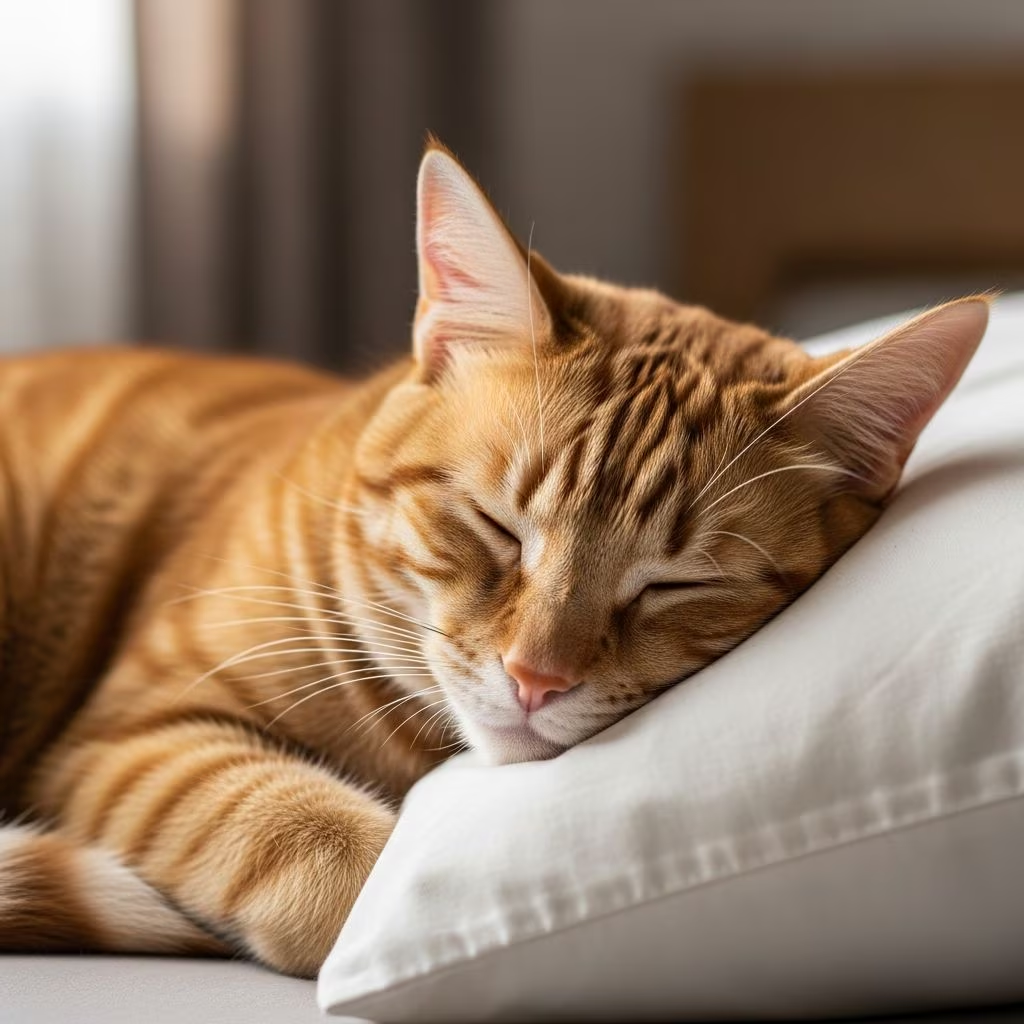
Your cat curling up on your pillow at night is a common and endearing sight for many pet owners. This behavior, while charming, often leaves people wondering about the motivations behind it. Cats are mysterious creatures, and their choice of sleeping spots reveals much about their instincts, emotions, and needs. According to veterinary insights, there are five primary reasons why cats prefer your pillow over other cozy spots in the house.
Understanding these reasons can deepen your bond with your feline friend and help you create a harmonious sleeping environment for both of you. Whether it’s a sign of deep affection or a quest for warmth, your cat’s pillow preference is rooted in both wild ancestry and domestic comfort. In this article, we’ll break down each reason in detail, explore variations like sleeping above your head or face-first into the pillow, and offer practical tips for managing the habit.
The 5 Reasons Why Your Cat Sleeps on Your Pillow
1. Love and Affection
Cats may seem independent, but they form strong emotional bonds with their owners. When your cat chooses to sleep on your pillow, it’s often a direct expression of love and a desire for closeness. Unlike dogs, cats show affection more subtly, but sharing your personal space—especially during vulnerable sleep time—is a profound gesture.
This behavior strengthens the human-cat relationship. Your cat wants to be near you, feeling safe in your presence. If you’ve nurtured a strong bond through play, grooming, and quality time, expect this affectionate pillow-sharing. It’s their way of saying, “You’re family.” Studies on feline social behavior highlight how bonded cats seek proximity to preferred humans, mirroring pack dynamics in wild felines.
For multi-cat households, this might indicate your cat sees you as their primary attachment figure. Encourage this by providing interactive toys and gentle petting sessions, which reinforce the emotional connection without disrupting your sleep.
2. Seeking Warmth
Cats have a higher body temperature than humans, averaging around 100.5–102.5°F (38–39°C), making them avid seekers of warmth. Your pillow, warmed by your head, becomes an ideal hotspot. Heat escapes primarily from the head during sleep, turning the pillow into prime real estate for your cat.
This preference is especially noticeable in senior cats or during colder months, as they conserve energy by basking in your body heat. The pillow’s soft, insulating fabric traps warmth better than blankets, which might overheat them if they burrow underneath.
To illustrate cat temperature preferences:
| Species | Average Body Temp (°F) | Preferred Sleep Environment |
|---|---|---|
| Human | 98.6 | Room temp (68–72°F) |
| Cat | 100.5–102.5 | Warm surfaces (e.g., pillows, laps) |
Providing heated cat beds can mimic this comfort, reducing pillow encroachment while keeping your cat toasty.
3. Trust and Protection
In the wild, cats sleep in elevated, secure spots to avoid predators. Your pillow offers a safe vantage point atop your head or beside you, signaling ultimate trust—they feel protected in your presence.
This instinctual behavior means your cat no longer needs to be hyper-vigilant. By sleeping so close, they’re complimenting your role as their guardian. Domesticated cats retain this trait, choosing high perches like bed headboards or pillows for oversight of the room.
- Height advantage: Pillows provide subtle elevation for monitoring.
- Proximity to protector: Your presence wards off perceived threats.
- Relaxed vigilance: Purring and deep sleep indicate full security.
Fostering this trust through consistent routines enhances your cat’s well-being and reduces anxiety-related behaviors.
4. Your Scent
Cats possess about 200 million olfactory receptors—40 times more than humans—making scent a primary communicator. Your pillow absorbs your natural odor, hair products, and laundry scents, creating a comforting “you-scented” haven.
When you’re away, your cat may seek the pillow to feel connected, easing separation anxiety. Appealing shampoo or detergent notes can further attract them. This bonding via pheromones mimics how mother cats comfort kittens.
Practical tip: Rotate pillows or use cat-safe essential oil diffusers to distribute your scent elsewhere, deterring pillow dominance.
5. Comfort and Security
Pillows offer plush softness that cats crave, combining with your warmth and scent for ultimate luxury. Cats are discerning about textures, preferring yielding surfaces that contour to their bodies, much like a mother’s belly.
This spot also provides emotional security, fulfilling multi-sensory needs: tactile softness, thermal warmth, olfactory familiarity, and auditory reassurance from your breathing.
Why Does My Cat Sleep on My Pillow Above My Head?
If your cat perches precisely above your head, it’s an amplified version of trust and instinct. Elevated positions offer control and a clear view, while your head’s heat and breathing sounds provide soothing cues.
- Vantage point: Monitors the room without obstruction.
- Sensory comfort: Hair scent and rhythmic breaths lull them.
- Security boost: Closest to their trusted human.
This is common in confident cats but can be managed with cat trees near the bed.
Why Does My Cat Sleep with His Face in the Pillow?
Face-burying conserves heat, blocks light/noise, and intensifies scent immersion—like a den in the wild.
- Heat retention: Warms sensitive face areas.
- Stress relief: Soft pressure soothes nerves.
- Scent therapy: Deepens owner bond.
Why Does My Cat Use My Hand as a Pillow?
This intimate act signifies profound trust; your hand’s warmth and pliability make it perfect. It seeks physical closeness, affirming love.
Potential Downsides of Pillow Sharing
While adorable, hygiene concerns arise: dander triggers allergies, fur dirties bedding, and paws track litter. Infectious risks from outdoor cats include parasites.
- Allergies: Worsens asthma symptoms.
- Sleep disruption: Movements interrupt rest.
- Cleanliness: Increases washing frequency.
Mitigate with allergen-proof covers, regular brushing, and dedicated cat beds.
How to Get Your Cat to Stop Sleeping on Your Pillow
Redirect gently without punishment:
- Provide alternatives: Heated beds, window perches with pillows.
- Establish routine: Play before bed to tire them.
- Use deterrents: Aluminum foil or double-sided tape temporarily.
- Positive reinforcement: Treats for new spots.
- Groom regularly: Reduces shedding motivation.
Patience is key—cats adapt slowly to habit changes.
Frequently Asked Questions (FAQs)
Is it okay for my cat to sleep on my pillow?
Yes, if no allergies exist, but monitor hygiene and use protective covers.
Why does my cat only sleep on my pillow when I’m not there?
They miss your scent and presence, seeking comfort in your absence.
Does this mean my cat loves me?
Absolutely—it’s a sign of deep affection and trust.
How can I stop my cat from sleeping on my pillow?
Offer cozy alternatives, play before bed, and use gentle deterrents.
Conclusion
Your cat’s pillow preference blends instinct, emotion, and comfort, enriching your shared life. By understanding these behaviors, you can balance their needs with yours for peaceful nights.
References
- Why Does My Cat Sleep on My Pillow: Understanding Feline Behavior — Puffy. 2023. https://puffy.com/blogs/best-sleep/why-does-my-cat-sleep-on-my-pillow
- Why Does My Cat Sleep at My Feet or on My Pillow? — Eryn Home. 2023. https://www.erynhome.com/blogs/blog/why-does-my-cat-sleep-at-my-feet-or-on-my-pillow
- Why Does My Cat Sleep on My Pillow? 5 Vet-Reviewed Reasons — Catster. 2024-05-15. https://www.catster.com/lifestyle/why-does-my-cat-sleep-on-my-pillow/
- Why does my cat sleep on me? — Cats Protection. 2023. https://www.cats.org.uk/cats-blog/why-does-my-cat-sleep-on-me
- Why Does My CAT SLEEP on My HEAD? 5 Reasons! — AnimalWised (YouTube). 2023. https://www.youtube.com/watch?v=TzQY6KV32yQ



