

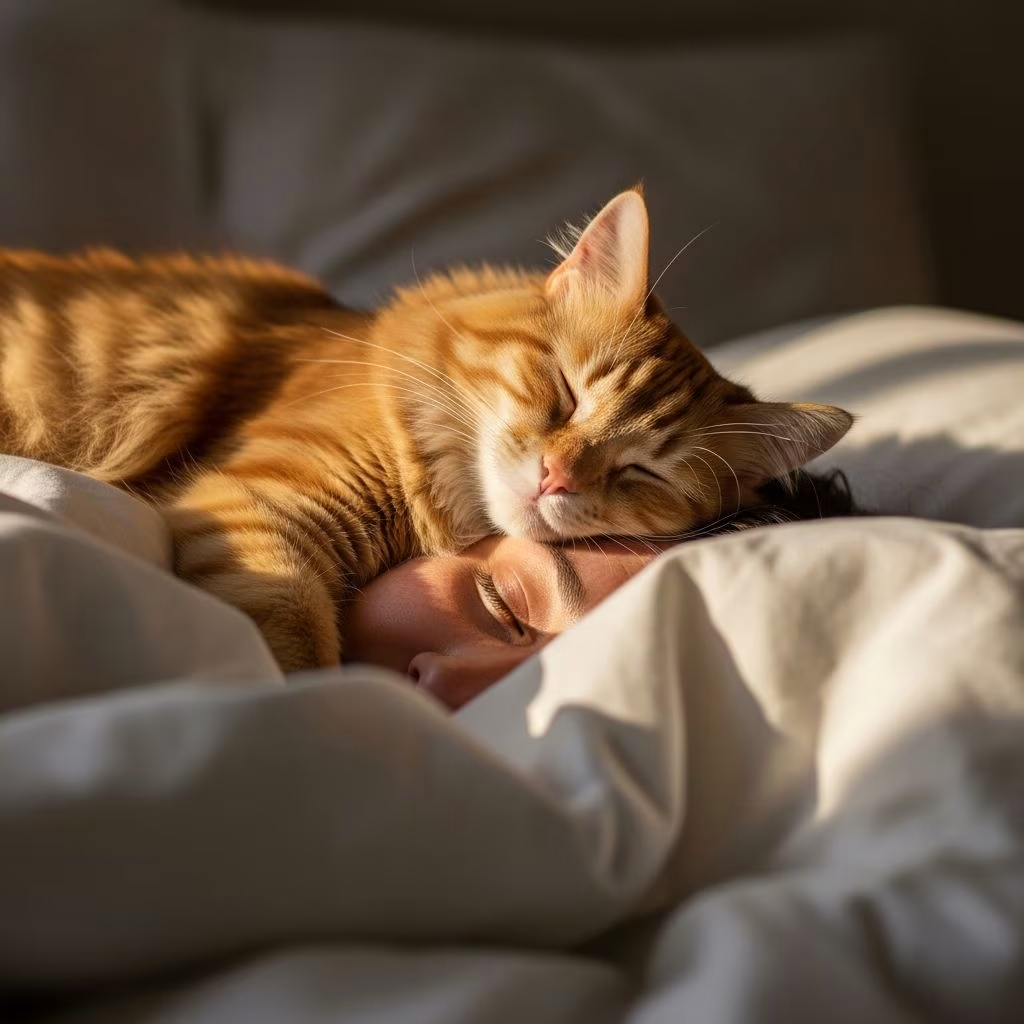
Your cat curling up on your head at night is a common yet endearing behavior that leaves many owners puzzled and charmed. Cats spend up to 70% of their lives sleeping, and their choice of sleeping spot often reveals insights into their instincts, emotions, and bond with you. Sleeping on your head isn’t random—it’s driven by a mix of biological needs, affection, and survival instincts honed over thousands of years.
This article dives deep into the reasons behind this habit, drawing from veterinary insights and feline behavior studies. Whether it’s for warmth, security, or love, understanding why your cat picks your head as their pillow can strengthen your relationship and help you respond to their needs effectively.
Reasons Why Your Cat Sleeps on Your Head
Cats are selective about where they rest, prioritizing safety, comfort, and familiarity. Here are the primary reasons your feline friend chooses your head as their nighttime perch:
1. Seeking Warmth
Cats have a higher body temperature than humans, ranging from 100.4°F to 102.5°F, making them natural heat-seekers. Your head radiates significant body heat, especially at night when heat escapes through the scalp and pillow area. This turns your head into a cozy hotspot, particularly in cooler weather or for older cats who crave extra warmth.
Observe how your cat chases sunbeams or curls on laptops during the day—these are the same instincts at play. By sleeping on your head, they’re efficiently conserving energy and staying toasty without needing blankets.
2. Your Scent Provides Comfort
Cats navigate their world primarily through smell, with scent glands on their face and paws producing pheromones. Your head—complete with hair oils, shampoo, and pillow scents—is a concentrated source of ‘you.’ Sleeping there allows them to inhale your familiar aroma, which soothes them like a security blanket.
This behavior strengthens their sense of home and reduces anxiety. Your cat associates your scent with safety, making it an ideal spot for deep relaxation and restorative sleep.
3. They Love and Bond with You
One of the sweetest explanations: your cat simply adores you. Sleeping on your head is a profound display of trust and affection. In the wild, cats sleep near trusted family members for protection and closeness. Domestic cats transfer this to their humans, positioning themselves by your head for easy access to nuzzle, purr, or groom you.
Veterinarians note this as a sign you’ve become ‘their person.’ It’s their way of reciprocating love, fostering the human-feline bond that makes co-sleeping so rewarding.
4. Feeling Safe and Secure
As both predators and prey, cats remain vigilant even in sleep. Elevating on your head gives them a vantage point to monitor the room while feeling protected by your presence. Proximity to your head means they can quickly alert you to threats or simply feel guarded.
This position allows light sleep stages where they maintain alertness, ready to spring into action if needed. It’s a testament to the security you provide in their environment.
5. Marking Territory with Pheromones
Cats engage in ‘scent mixing’ by rubbing pheromones from facial glands onto you. Your head, with its strong personal scents, is prime real estate for this. By sleeping there, they claim you as part of their territory, blending scents to reinforce group identity and ownership.
This isn’t possessive aggression but a comforting ritual that says, ‘You belong to me, and I to you.’ It’s common in multi-cat homes or when introducing new pets.
6. Stress or Anxiety Relief
If this is a new habit, it might signal stress. Cats seek out trusted humans during anxious times, like changes in routine, new pets, or loud environments. Clinging to your head provides reassurance.
Dr. Mickey Moppin, DVM, explains that cats view their owner as a ‘safe space,’ using proximity to self-soothe. Monitor for other signs like hiding or over-grooming.
7. Instinctual and Evolutionary Reasons
Cats’ wild ancestors slept in elevated, warm spots for predator evasion and heat retention. Your head mimics this—high on the pillow, warm, and safe. Modern cats retain these traits, choosing heads over feet for better airflow and alertness.
This position also facilitates social sleeping, a bonding behavior seen in feral colonies.
Is It Normal for Cats to Sleep on Your Head?
Absolutely—it’s a normal, healthy behavior for most cats, especially those with strong bonds to their owners. Studies show cats prefer sleeping near humans they trust, with head areas being popular due to warmth and scent.
However, extremes warrant attention. If your cat sleeps with their head propped unnaturally high consistently, it could indicate respiratory issues like congestion, requiring a vet visit. Sudden changes might also point to pain, illness, or environmental stress.
Pros and Cons of Letting Your Cat Sleep on Your Head
Co-sleeping has benefits but potential downsides. Here’s a balanced view:
| Pros | Cons |
|---|---|
| Strengthens emotional bond and reduces cat anxiety | May disrupt your sleep due to movement or purring |
| Provides cat with security and warmth | Allergies or asthma could worsen from close proximity |
| Boosts oxytocin levels for both (like petting) | Hygiene issues if cat has fleas or dirt |
| Monitors cat’s health via nighttime habits | Over-dependence might increase separation anxiety |
Benefits often outweigh cons for many owners, promoting mutual well-being.
How to Stop Your Cat from Sleeping on Your Head (If You Want To)
If it’s interrupting your rest, try these gentle strategies:
- Provide alternatives: Warm cat beds, heated pads, or elevated perches near your bed mimic the appeal.
- Establish routines: Play before bed to tire them out, reducing clinginess.
- Use deterrents: Aluminum foil or double-sided tape on pillows (temporarily).
- Positive reinforcement: Reward with treats for using their own bed.
- Consistency: Gently place them in their spot nightly without punishment.
Change takes patience—cats thrive on routine. Consult a vet if stress-related.
Cat Sleeping Positions: What They Reveal
Your cat’s pose offers health and mood clues:
- Head up: Alertness for quick escape; normal unless propped for breathing.
- Curled tight: Conserving heat, feeling cold or vulnerable.
- Spread out: Deep relaxation, trusting environment.
- Upside down/paws over face: Total trust, blocking light/warmth.
Track changes to spot issues early.
Frequently Asked Questions (FAQs)
Why does my cat sleep on my head but not my partner’s?
They likely bond more with you due to scent familiarity, feeding routines, or playtime. It’s a compliment!
Is it bad for my cat to sleep on my head?
No, it’s safe and affectionate unless they have fleas or you’re allergic. Ensure good hygiene.
Why does my cat sleep with their head up on my head?
Combining your warmth with elevated alertness; survival trait.
How can I tell if it’s stress-related?
Look for new behaviors like vocalizing, hiding, or appetite changes. Vet check recommended.
Do all cats do this?
No, but many bonded indoor cats do. Kittens and young adults are most prone.
References
- Why Do Cats Sleep With Their Head Up? — Cats.com. 2023. https://cats.com/why-do-cats-sleep-with-their-head-up
- Why Does My Cat Sleep on My Head? What It Means — Kinship. 2023. https://www.kinship.com/cat-behavior/why-does-cat-sleep-by-head
- Why Does My Cat Sleep by My Head? — TelaVets Blog, Dr. Mickey Moppin, DVM. 2024. https://www.telavets.com/blog/cat-sleep-on-my-head
- Why Does My Cat Sleep Above My Head? — Dutch. 2024. https://www.dutch.com/blogs/cats/cat-sleep-above-head
- Why Does My Cat Sleep by My Head? — HowStuffWorks. 2023. https://animals.howstuffworks.com/pets/why-does-my-cat-sleep-by-my-head.htm
- Why Cats Sleep on Me — NexGard SPECTRA. 2023. https://nexgard.com.au/pet-care/cat-care/why-cats-sleep-on-me
- 20 Cat Sleeping Positions and What They Mean — PetMD. 2024. https://www.petmd.com/cat/general-health/cat-sleeping-positions-and-what-they-mean



