

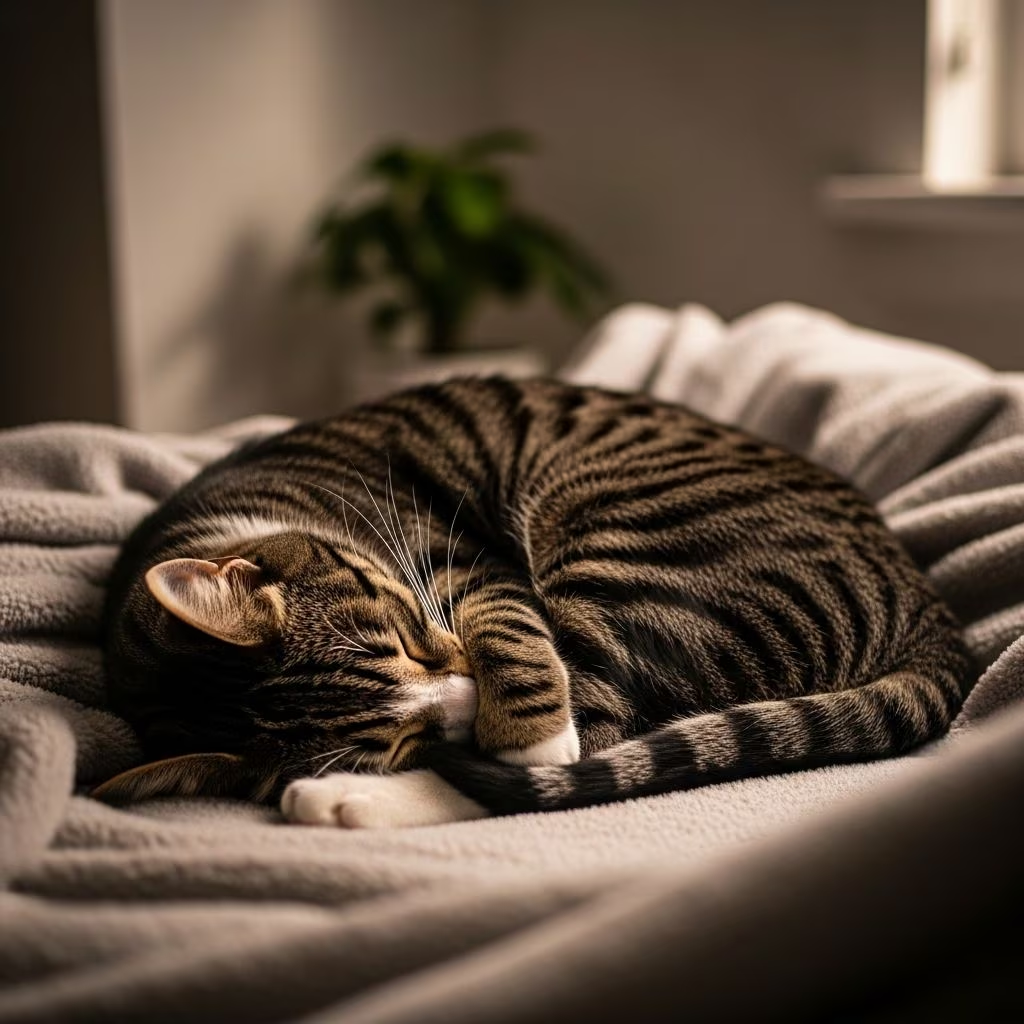
Why Does My Cat Sleep Face Down? Understanding This Quirky Feline Behavior
Cats are undeniably odd creatures with peculiar habits that often leave their owners wondering what they’re thinking. From contorting themselves into impossibly tight spaces to sleeping in positions that seem physically improbable, cats consistently demonstrate flexibility and comfort levels that defy logic. You may have noticed your cat sleeping face down, with their face pressed firmly against a surface, and wondered if this unusual sleeping position indicates a problem or simply reflects your cat’s unique personality. The simple answer is that cats often sleep this way because they enjoy the comfort and feel of this position.
The Simple Truth About Face-Down Sleeping
The most straightforward explanation for why your cat sleeps face down is comfort. Cats are exceptionally flexible animals, capable of contorting their bodies into positions that would be uncomfortable or even painful for less flexible creatures like humans and dogs. This remarkable flexibility allows cats to enjoy sleeping positions that suit their preferences without physical strain.
Several factors contribute to why cats find face-down sleeping appealing:
- The sensation against their head and face may feel soothing and pleasant
- The position provides excellent support for their neck
- It creates a cozy, enclosed feeling similar to how humans enjoy sleeping under covers
- The position allows cats to feel secure and protected
While we observe these behaviors regularly in our feline companions, scientific research has not yet provided definitive explanations for why certain cats develop a preference for face-down sleeping. What we do know is that this behavior typically develops when cats are young and becomes a habitual sleeping pattern they maintain throughout their lives.
Scent Marking and Territory Claims
Cat owners frequently notice their cats rubbing their faces on their legs, and many correctly interpret this as a sign of affection. However, there’s more to this behavior than simple affection. Cats possess scent glands on their faces, and when they rub against people or objects, they’re leaving behind their distinctive scent as a way of marking territory and establishing familiarity.
Some pet behaviorists theorize that when cats sleep face down with their face pressed against surfaces, they may be using this position to leave their scent on their preferred sleeping areas. This theory suggests that the face-down position allows these facial scent glands to effectively mark the territory as their own. However, it’s important to note that this remains an assumption rather than a scientifically proven cause. The actual motivation behind this sleeping position likely varies from cat to cat, and scent marking may play a role for some while being entirely irrelevant for others.
Critical Distinction: Head Pressing vs. Normal Face-Down Sleeping
While cats sleeping face down is typically normal and harmless, there exists an extremely important distinction that every cat owner must understand. Head pressing is a behavior that differs significantly from casual face-down sleeping and can indicate serious underlying medical conditions.
Head pressing is defined as a behavior where a cat presses their face firmly and persistently against solid objects such as walls, chairs, floors, or sofas. Unlike the comfortable, relaxed face-down sleeping position, head pressing appears compulsive and purposeful. The cat seems driven to press their head against hard, stationary surfaces in a way that looks uncomfortable or even painful.
Signs That Differentiate Head Pressing from Normal Sleeping
Understanding the differences between these two behaviors is crucial for your cat’s health:
| Characteristic | Normal Face-Down Sleeping | Head Pressing Behavior |
|---|---|---|
| Onset | Usually habitual from a young age | Often develops suddenly |
| Surface Type | Any surface, often soft | Hard, solid objects only |
| Appearance | Relaxed and comfortable | Compulsive and pressured |
| Frequency | Regular sleep pattern | Frequent and repetitive |
| Associated Symptoms | None typically | Often accompanied by other signs |
Serious Medical Conditions Associated with Head Pressing
Head pressing is frequently indicative of serious underlying health conditions that require immediate veterinary attention. Several medical issues can trigger this behavior:
Hepatic Encephalopathy
This severe liver condition occurs when the liver fails to function properly and cannot adequately process and excrete ammonia from the body. When ammonia accumulates to excessive levels in the bloodstream, it can cross the blood-brain barrier and build up in brain tissue. This buildup creates pressure, causes headache pain, and leads to confusion and neurological dysfunction. Cats with hepatic encephalopathy may compulsively press their heads against objects as a response to this brain pressure and pain.
Neurological Conditions
Various neurological illnesses can trigger head pressing behavior, including:
- Brain tumors that create pressure within the skull
- Infections targeting the nervous system
- Traumatic head injuries affecting brain function
- Seizure disorders
Metabolic and Chemical Imbalances
Head pressing can also result from:
- Dangerously high or low electrolyte levels in the blood
- Toxin exposure or poisoning
- Kidney disease and uremia
- High blood pressure affecting the brain
Recognizing Warning Signs Beyond Head Pressing
Head pressing behavior typically doesn’t appear in isolation. When cats are experiencing the neurological or metabolic dysfunction that causes head pressing, they usually display additional concerning symptoms that should prompt immediate veterinary evaluation:
- Excessive vocalization or unusual vocalizations
- Seizures or convulsions
- Abnormal pacing or wandering
- Vision loss or blindness
- Unprovoked and unusual aggression
- Jaundice (yellowing of the skin, eyes, and mucous membranes)
- Lethargy and lack of energy
- Reluctance to move or reduced mobility
- Loss of appetite or reduced food intake
- General weakness
When a Sudden Change in Sleeping Habits Matters
While cats sleeping face down is generally harmless when it’s an established habit, pay close attention if your cat suddenly begins sleeping face down when this is not their typical behavior. A sudden shift in sleeping position can indicate that your cat is not feeling well or experiencing pain somewhere in their body.
If your cat has never slept face down before and suddenly begins doing so frequently, especially if accompanied by any of the following symptoms, seek veterinary advice promptly:
- Increased lethargy or sleeping more than usual
- Reluctance to move or reduced activity levels
- Decreased appetite or changes in eating habits
- Visible weakness or difficulty with normal movements
- Changes in behavior, temperament, or personality
- Changes in litter box habits
- Vocalization changes
Understanding Your Cat’s Normal Sleep Behaviors
Cats are fascinating sleepers with diverse sleeping positions and behaviors. Understanding what’s normal for your individual cat is essential for recognizing when something might be wrong. Most cats develop consistent sleeping preferences and patterns that remain relatively stable throughout their lives.
Healthy cats sleep in various positions, including curled balls, stretched out on their sides, sprawled on their backs, and yes, face down. The key indicator of whether a sleeping position is normal is consistency with your cat’s established habits and whether it’s accompanied by other signs of good health and normal behavior.
Practical Tips for Monitoring Your Cat’s Health
As a responsible cat owner, you can take several steps to monitor your cat’s health and sleep behaviors:
- Learn your cat’s normal sleeping positions and patterns
- Notice if your cat develops sudden changes in where or how they sleep
- Observe your cat daily for other behavioral or physical changes
- Keep track of eating habits, water intake, and litter box usage
- Note any changes in vocalization, energy levels, or temperament
- Schedule regular veterinary check-ups, especially as your cat ages
- Don’t hesitate to contact your veterinarian if you notice sudden behavioral changes
Frequently Asked Questions
Q: Is it normal for cats to sleep face down?
A: Yes, sleeping face down is a normal behavior for many cats, especially if it’s an established habit from when they were young. Cats are very flexible and may simply find this position comfortable. However, if your cat suddenly begins sleeping face down when they haven’t before, it could indicate a health issue and warrants veterinary evaluation.
Q: How can I tell the difference between head pressing and face-down sleeping?
A: Head pressing appears compulsive and occurs against hard, solid objects, often developing suddenly. Normal face-down sleeping looks relaxed, typically develops in young cats as a habit, and may occur on any surface. Head pressing is usually accompanied by other concerning symptoms like unusual vocalization, seizures, or behavioral changes.
Q: What should I do if I think my cat is head pressing?
A: Contact your veterinarian immediately. Head pressing can indicate serious medical conditions requiring prompt diagnosis and treatment. Your vet can perform appropriate tests and examinations to determine the underlying cause.
Q: Can stress or grief cause cats to change their sleeping positions?
A: While cats may adjust their behaviors in response to major life changes, significant or sudden changes in sleeping habits should be evaluated by a veterinarian to rule out underlying health issues. Comfort-seeking behaviors may increase during stressful times, but medical problems should be excluded first.
Q: Is face-down sleeping a sign my cat trusts me?
A: Not necessarily. While cats that sleep in vulnerable positions around their owners do feel safe, face-down sleeping is primarily about comfort and personal preference. It doesn’t necessarily indicate trust in you specifically.
Conclusion
Cats sleeping face down is a perfectly normal behavior for these wonderfully peculiar creatures. Don’t be surprised if you bring a cat or kitten home who contentedly sleeps with their face pressed against surfaces. This is likely just their preferred sleeping position, developed from a young age and maintained throughout their life. However, remain vigilant about monitoring your cat for genuine head-pressing behaviors, which differ significantly from casual face-down sleeping and can indicate serious medical concerns. By understanding the difference between normal sleeping positions and potentially problematic behaviors, you can ensure your feline companion receives appropriate care when needed while allowing them to enjoy their quirky, comfortable sleep habits.
References
- Why Does My Cat Sleep Face Down? Vet-Verified Behavior — Catster. 2024. https://www.catster.com/cat-behavior/why-does-my-cat-sleep-face-down/
- Cat Sleeping Positions: 10 Common Poses, Explained — Business Insider. 2024. https://www.businessinsider.com/reference/cat-sleeping-positions
- 10 Cat Sleeping Positions: What Do They Mean? — Purina UK. 2024. https://www.purina.co.uk/articles/cats/behaviour/common-questions/cat-sleeping-positions
- 20 Cat Sleeping Positions and What They Mean — PetMD. 2024. https://www.petmd.com/cat/general-health/cat-sleeping-positions-and-what-they-mean



