

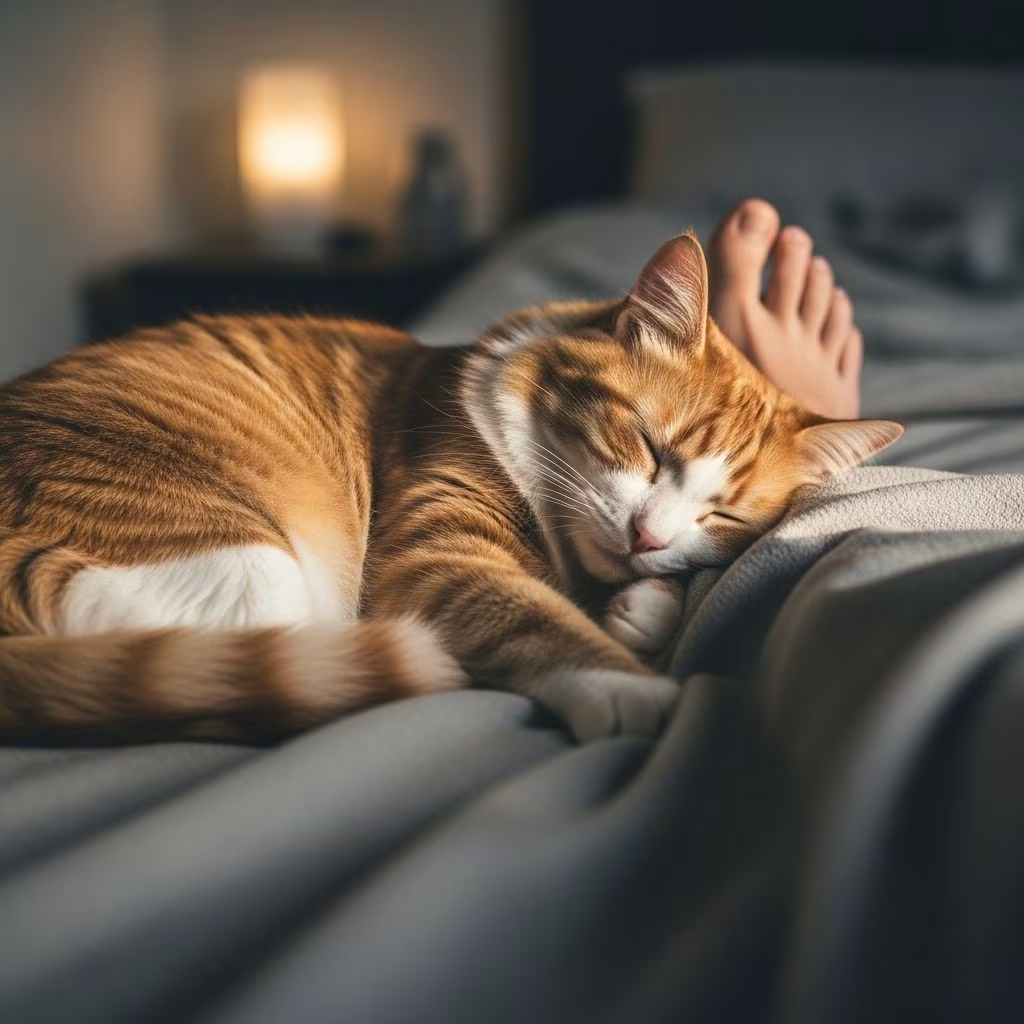
Your cat curling up at your feet every night might seem like a simple quirk, but it’s loaded with meaning. Cats are mysterious creatures, and their sleeping habits reveal a lot about their instincts, emotions, and bond with you. From seeking warmth to marking territory, there are several surprising reasons why your feline friend picks this spot. This article dives into the seven key reasons, backed by cat behavior science, and offers tips to make bedtime even cozier for both of you.
Your Feet Keep Them Warm and Comfortable
Cats are warmth magnets. Their normal body temperature ranges from 100.5°F to 102.5°F, higher than humans, so they constantly seek heat sources to conserve energy. Your feet, especially under blankets, provide a steady, reliable warmth that’s perfect for them. Unlike your torso, which shifts during sleep, feet remain relatively still, creating a stable hot spot.
Imagine your cat’s perspective: the end of the bed is like a personal heater. In cooler weather, this spot helps them regulate temperature efficiently. Studies on feline thermoregulation show cats prefer spots 86°F to 97°F, and your covered feet hit that sweet spot. This isn’t random—it’s an evolutionary trait from wild ancestors who huddled in warm dens.
To enhance this, consider a heated cat bed nearby. It mimics the warmth without crowding your space, encouraging healthy sleep patterns for your cat.
It’s Because of Their Instincts and Territorial Behavior
Cats retain wild instincts despite domestication. As both predators and potential prey, they choose sleeping spots with escape routes and vantage points. The foot of the bed offers elevation, visibility of the room, and quick access to the floor if startled. Sleeping at your feet lets them rest while staying vigilant—one eye often open during light sleep phases.
Territorially, this position allows subtle scent marking via paw glands, claiming the bed as theirs without confrontation. It’s strategic: close to you for protection but not vulnerable like the head area. Veterinary behaviorists note this mirrors feral cat behaviors, where safety trumps full relaxation.
If your cat suddenly changes spots, check for stressors like new pets or noises—their instincts kick in to safer perches.
It’s Their Way of Showing Their Love
Don’t let cats’ independent reputation fool you; sleeping at your feet is a profound affection sign. Cats only sleep near trusted humans, lowering defenses in vulnerable REM states. By choosing your feet, they’re saying, “I feel safe with you.” This quiet bonding differs from dogs’ overt displays but is equally deep.
Proximity fosters emotional security. Research from animal behavior journals indicates cats form attachments similar to human infants, using owners as secure bases. Your consistent presence reinforces this trust, making feet a symbol of love and reliability.
- Trust indicator: Vulnerable sleep position near you.
- Bonding ritual: Nightly routine strengthens emotional ties.
- Reciprocity: Pet them gently to affirm the bond.
Cats Love Habit and Routine
Cats thrive on predictability. Once your feet become their spot, habit takes over—consistency reduces stress. Their crepuscular nature (active at dawn/dusk) means daytime naps at your feet prepare for evening play, embedding the routine.
Breaking this can cause anxiety, so maintain bedtime rituals like dim lights or play sessions. Tables below illustrate benefits:
| Cat Behavior | Owner Benefit | Reason |
|---|---|---|
| Consistent foot sleeping | Predictable nights | Routine comfort |
| Quick settling | Less disruption | Habitual security |
Encourage positive habits with treats post-bedtime, solidifying the pattern.
They Respect Your Space
Cats are intuitive about human sleep. They avoid heads/chests, which move a lot, opting for still feet to minimize disturbances. This respect shows emotional intelligence—curling at feet keeps them close without annoyance.
| Sleep Position | Movement Level | Why Cats Avoid/Choose |
|---|---|---|
| Head/Chest | High | Too disruptive |
| Feet | Low | Stable, respectful |
| Side of bed | Medium | Less personal |
This balance fosters harmony, letting both sleep peacefully.
It’s All About How You Smell
Scent is a cat’s primary communicator. Feet carry concentrated personal odors from daily activities, comforting via familiarity. Glands in paws mix scents during sleep, reinforcing family bonds—like a feline hug.
In stress, amplified scents draw them closer for reassurance. Clean feet? They might scent-mark more. This olfactory bonding is key to cat-human relationships, per ethology studies.
Your Cat Claims You as Theirs
Possessive yet loving, cats claim owners territorially. Feet sleeping declares ownership, blending affection with guardianship. They monitor from this spot, reacting to threats—instinctual protection.
This ‘mine’ gesture strengthens loyalty. Reciprocate with play to affirm mutual claiming.
Creating a Cozy Bedtime Routine With Your Fur Buddy
Elevate your routine: dim lights 30 minutes pre-bed, 15-minute play, then settle. Add a cat blanket at feet for scent infusion. Monitor changes—illness might increase closeness.
- Play session: Tire them out.
- Warm spot: Heated pad alternative.
- Gentle pets: Build trust.
These steps enhance sleep quality, reducing night wakings.
Frequently Asked Questions (FAQs)
Why does my cat sleep at my feet during the day?
Daytime feet naps signal security, allowing rest while watching you. Crepuscular rhythms make this a recharge spot.
Why does my cat sleep at my feet when I’m sick?
Heightened scents and warmth draw them; it’s comforting for both during vulnerability.
Why does my cat sleep in elevated spots?
Elevation offers vantage/security, mimicking wild perches.
How do cats balance proximity and space?
Feet provide closeness without crowding, respecting boundaries.
Is it bad if my cat doesn’t sleep at my feet anymore?
Possible stress/health issue—consult vet if sudden.
Wrap Up
Your cat’s feet-sleeping habit weaves warmth, instinct, love, routine, respect, scent, and ownership. Cherish it as a trust testament. Foster with cozy setups for deeper bonds. Next weighted legs? Smile—it’s feline devotion.
References
- Why Does My Cat Sleep at My Feet? 7 Surprising Reasons — ZezeLife. 2023-10-15. https://www.zezelife.com/why-does-my-cat-sleep-at-my-feet-7-surprising-reasons/
- Why Does My Cat Sleep at My Feet? — PrettyLitter. 2024-05-20. https://www.prettylitter.com/blog/why-does-my-cat-sleep-at-my-feet
- Why Does My Cat Sleep at My Feet? Uncover Reasons — Novilla. 2024-02-12. https://www.novilla.net/blogs/cozy-sleep/why-does-my-cat-sleep-at-my-feet-uncover-reasons
- Why Cats Sleep at Your Feet, According to Science — HowStuffWorks. 2024-08-07. https://animals.howstuffworks.com/pets/why-cats-sleep-at-your-feet.htm
- 20 Cat Sleeping Positions and What They Mean — PetMD. 2023-11-30. https://www.petmd.com/cat/general-health/cat-sleeping-positions-and-what-they-mean



