

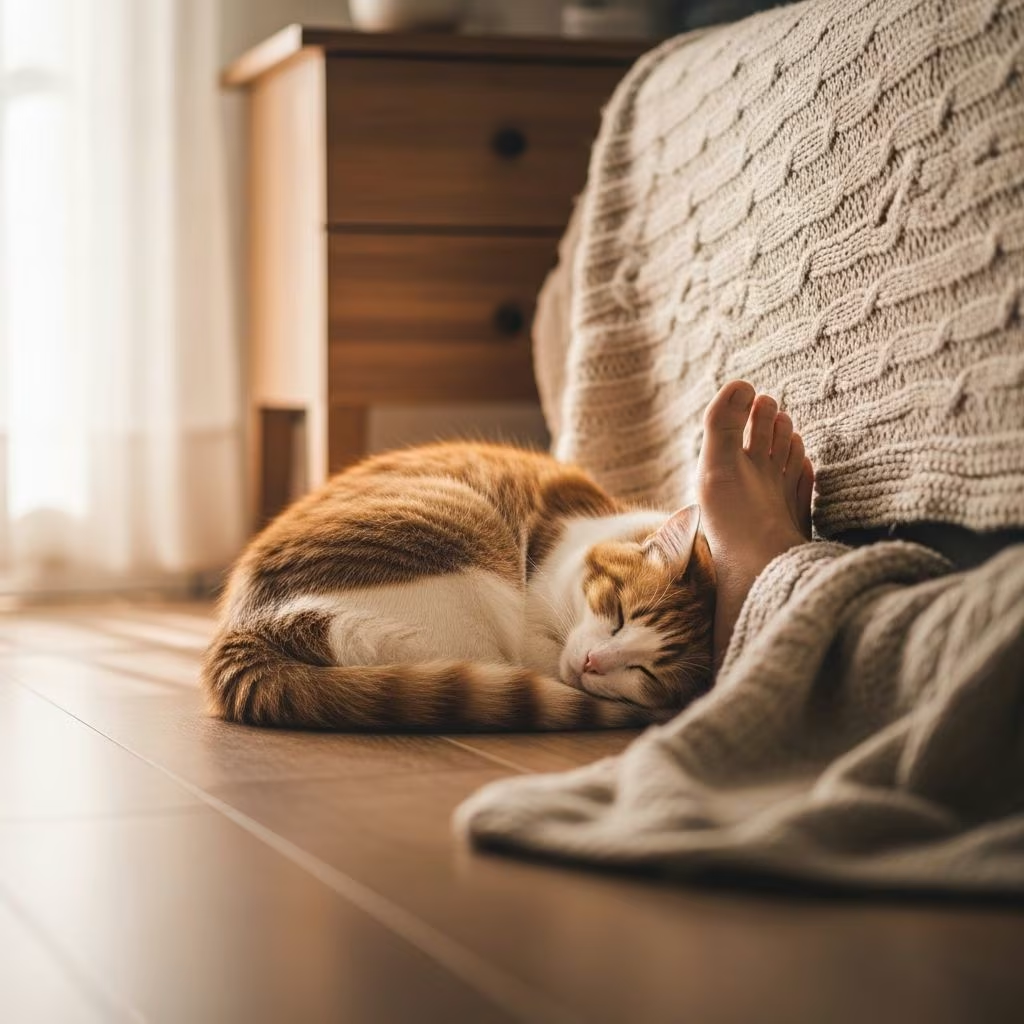
Your cat curling up at your feet during bedtime is a common yet endearing behavior that many pet owners notice. This habit isn’t random; it stems from a mix of instinctual needs, emotional bonds, and practical comforts. Cats are crepuscular creatures, most active at dawn and dusk, and they choose sleeping spots strategically to balance rest with vigilance. In this article, we’ll dive into the seven key reasons why your cat prefers your feet, drawing from feline behavior experts and veterinary science. Understanding these can deepen your connection with your furry companion.
Your Feet Keep Them Warm and Comfortable
Cats have a higher body temperature than humans, typically ranging from 100.5°F to 102.5°F, which means they seek out warm spots to conserve energy and stay cozy. Your feet, especially under blankets, radiate steady body heat that appeals to them. Unlike the rest of your body, which shifts during sleep, feet remain relatively still, providing a stable, heated perch.
This warmth is crucial because cats burn energy quickly due to their efficient metabolism. Sunbathing, heater cuddles, or foot-of-the-bed naps are all ways they regulate temperature. In cooler weather, your feet become a prime real estate for heat absorption. Even in warmer climates, the foot area might offer a slightly cooler edge compared to your core body. If your cat consistently chooses this spot, it’s likely prioritizing thermal comfort above all.
It’s Because of Their Instincts and Territorial Behavior
Domestic cats retain wild instincts from their ancestors, who slept in elevated, vantage-point locations to monitor for predators while resting. Sleeping at your feet elevates them slightly off the floor, offering a quick escape route and a view of the room. This position allows them to stay alert—one eye often half-open during light sleep phases—balancing vulnerability with safety.
Territorially, cats mark spaces with scent glands in their paws. By kneading or rubbing against your feet, they claim the area (and you) as theirs. This subtle ownership prevents intruders, real or perceived, from encroaching. It’s why they avoid more exposed spots like the bed’s center; feet provide strategic proximity without full commitment.
It’s Their Way of Showing Their Love
Despite their independent reputation, cats express affection through proximity and trust. Choosing to sleep near you, particularly at your feet, signals deep security—they only rest vulnerably around trusted humans. This isn’t clingy; it’s a quiet endorsement of your bond.
Veterinary sources note that cats sleeping on or by owners indicate emotional attachment. Feet are ideal because they’re close enough for reassurance but not intrusive. If your cat was feral or rescue, this behavior evolving over time shows growing love and reduced fear.
Cats Love Habit and Routine
Cats thrive on consistency. Once they discover your feet as a comfy, safe spot, it becomes routine. Their crepuscular nature means daytime naps at your feet prepare them for evening activity, reinforcing the habit. Breaking this—like changing beds—might confuse them temporarily, but positive reinforcement (treats nearby) can redirect gently.
Routine also ties into scent familiarity. Your feet carry your unique smell, mixed with theirs over time, creating a comforting ‘home base.’ This habit strengthens as they age, with seniors often sticking to familiar spots for stability.
They Respect Your Space
Cats are intuitive about human sleep patterns. They notice your head and torso move more, potentially disrupting their rest, so feet—less active—win out. This respect minimizes disturbances for both: no face-pawing or chest-lounging.
| Cat Behavior | Benefit to Owner | Reason |
|---|---|---|
| Resting at foot of bed | Reduces sleep disruptions | Sense of security and space respect |
| Limiting bed movements | Less jostling | Understands human sleep needs |
| Choosing isolated spots | Allows comfortable sleep | Balances warmth and independence |
This table highlights how feline thoughtfulness enhances shared sleep.
It’s All About How You Smell
Scent is a cat’s primary sense. Your feet hold concentrated pheromones from daily activities, comforting them like a familiar blanket. By sleeping there, they mingle scents via paw glands, bonding your ‘packs.’ This is especially true if you’re stressed or ill—changes in your odor draw them closer for monitoring.
- Familiarity: Your scent signifies safety.
- Marking: Reinforces territory and unity.
- Consistency: Builds emotional security.
Your Cat Claims You as Theirs
Possessive instincts drive cats to ‘own’ loved ones. Sleeping at feet declares, “You’re mine,” while offering protection—they can spring into action if needed. This guardian role combines affection with utility, making feet the perfect claim spot: close, watchful, unobtrusive.
Creating a Cozy Bedtime Routine With Your Fur Buddy
Encourage this bond safely. Provide a heated bed nearby to mimic foot warmth, or use pheromone diffusers for scent comfort. Play before bed to tire them out, aligning with crepuscular peaks. Avoid forcing cuddles—let them choose. If anxiety seems factor (e.g., new home), consult a vet for behavioral aids.
For multi-cat homes, ensure individual spaces to prevent rivalry over your feet. Regular vet check-ups rule out health issues like hyperthyroidism causing clinginess.
Frequently Asked Questions (FAQs)
Why does my cat sleep at my feet during the day?
Daytime foot-sleeping indicates security even when you’re awake. It keeps them close without interference, prepping for active periods. Scent or heat changes (if you’re ill) may attract them.
Why does my cat sleep at my feet when I’m sick?
Your altered scent and extra warmth draw them. They sense vulnerability, staying protective and comforting.
Is it normal for my cat to sleep at my feet instead of my head?
Yes—feet offer better vantage, less movement, and strategic space. Head areas feel too invasive.
What if my cat suddenly stops sleeping at my feet?
Check for stress, illness, or routine changes. Vet visit recommended if persistent.
Why do cats prefer elevated sleeping spots like bed feet?
Elevation provides observation and escape, rooted in wild instincts.
Wrap Up
Your cat sleeping at your feet weaves warmth, instinct, love, routine, respect, scent, and ownership into a perfect feline choice. Embrace it as a trust badge. Next time that warm weight pins your legs, know it’s your cat’s way of saying you’re family. Foster this with patience and cozy setups for mutual bliss.
References
- Why Does My Cat Sleep at My Feet? 7 Surprising Reasons — ZezeLife. 2023-10-15. https://www.zezelife.com/why-does-my-cat-sleep-at-my-feet-7-surprising-reasons/
- Why Does My Cat Sleep at My Feet? — PrettyLitter. 2024-05-20. https://www.prettylitter.com/blog/why-does-my-cat-sleep-at-my-feet
- Why Does My Cat Sleep at My Feet? Uncover Reasons — Novilla. 2024-02-10. https://www.novilla.net/blogs/cozy-sleep/why-does-my-cat-sleep-at-my-feet-uncover-reasons
- Why Cats Sleep at Your Feet, According to Science — HowStuffWorks. 2023-11-05. https://animals.howstuffworks.com/pets/why-cats-sleep-at-your-feet.htm
- 20 Cat Sleeping Positions and What They Mean — PetMD. 2025-01-10. https://www.petmd.com/cat/general-health/cat-sleeping-positions-and-what-they-mean
- Why Does My Cat Sleep on Me — NexGard SPECTRA. 2024-08-22. https://nexgard.com.au/pet-care/cat-care/why-cats-sleep-on-me



