

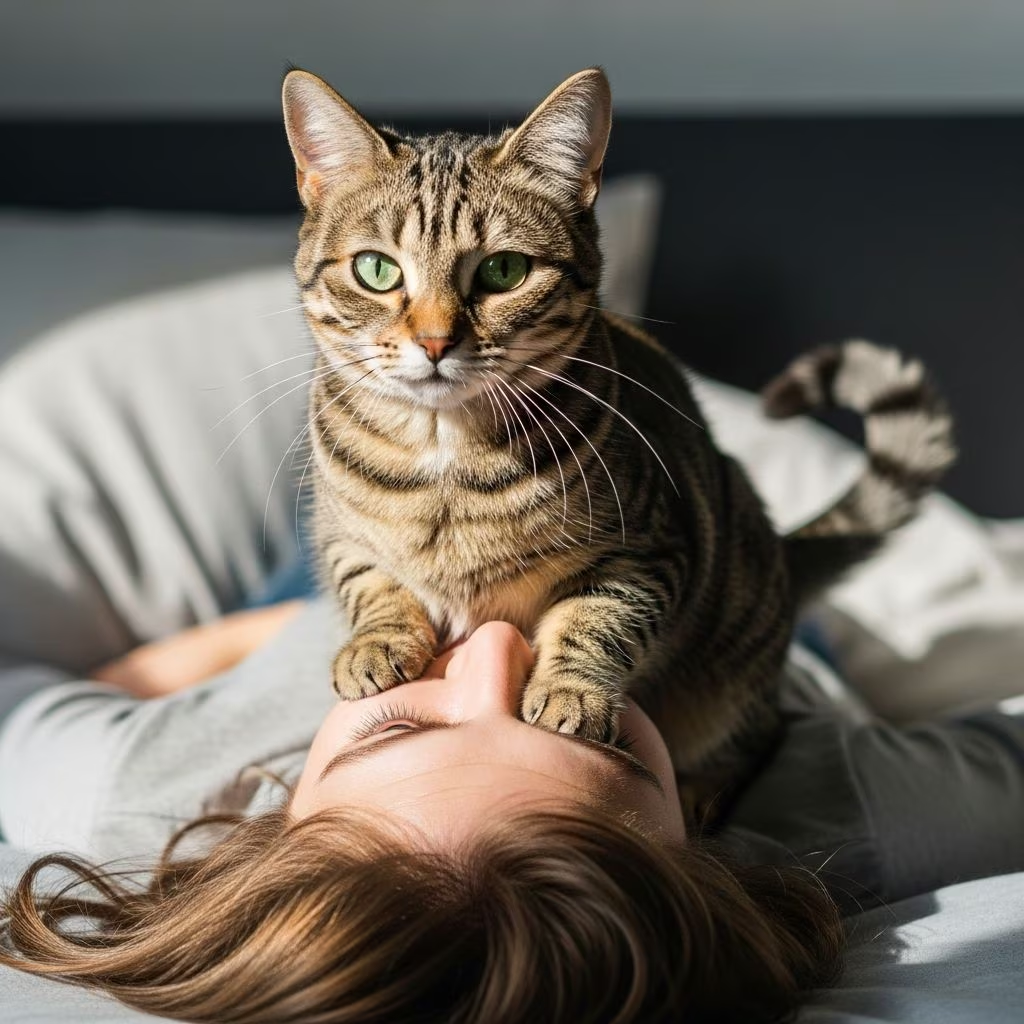
Your cat perching on your face might feel intrusive, especially during sleep, but this behavior often signals deep affection and trust. Cats choose this spot for warmth, security, and bonding, reflecting their instinctual needs and strong attachment to you.
Reasons Why Cats Sit on Your Face
Cats exhibit this quirky habit for several instinct-driven reasons. Understanding these can transform frustration into appreciation for your pet’s love language. Below, we break down the primary motivations backed by feline behavior insights.
1. Your Face Is a Warm Spot
Cats are drawn to heat sources because they have a higher body temperature set point (around 101.5°F or 38.6°C) than humans, making them seek cozy nooks. Your face radiates warmth from exhaled breath and head circulation, especially under covers where the rest of your body is insulated.
- When sleeping, humans lose significant body heat through the head—up to 40% in some estimates—creating a toasty pillow for your cat.
- This is particularly common in cooler months or for shorthaired breeds like Siamese who feel the chill more acutely.
- Pro tip: If it’s disruptive, provide a heated cat bed nearby to redirect their warmth quest.
2. It’s a Sign of Trust and Vulnerability
One of the most flattering reasons: your cat trusts you implicitly. The face, particularly the mouth area, is a vulnerable spot for predators. By sitting there, especially exposing their belly (their soft underbelly), your cat shows ultimate faith that you won’t harm them.
Cats are cautious creatures; they avoid untrusted people or animals near sensitive areas. Sleeping on your head or face means they feel safest with you as their guardian.
- Belly exposure: A cat’s abdomen houses vital organs, so presenting it signals ‘I trust you not to attack.’
- Head positioning: They monitor your movements closely, ready to follow if you stir.
3. They Seek Affection and Attention
Your cat may treat you like their mother cat, kneading or sitting on your face to solicit grooming or play. This ‘baby-like’ behavior occurs when they feel lonely, especially if daytime interaction is limited.
In the wild, kittens solicit attention this way. Domestic cats regress to this for bonding, often purring loudly or licking your face afterward.
- Morning ritual: Many report cats sitting on faces at dawn to ‘wake you up’ for breakfast or cuddles.
- Solution: Increase playtime evenings to tire them out and fulfill social needs.
4. They Love Your Scent
Cats have over 200 million scent receptors (compared to humans’ 5 million), using smell for security. Your face and pillow carry your unique pheromones, creating a comforting ‘safe zone.’ They rub cheeks (via sebaceous glands) to mix scents, marking you as family.
- Pillow preference: The head area concentrates your aroma, mimicking a den’s safety.
- Sniffing ritual: Often precedes sitting, as they reaffirm your identity.
5. Marking Territory and Bonding
Beyond personal scent, cats ‘claim’ you by leaving their own via cheek rubs and glands. This communal scent-sharing strengthens pack bonds, with your face being prime real estate due to proximity.
6. Monitoring and Protection Instinct
Positioned at your head, cats track your sleep patterns. If you move, they detect it instantly via paw touches or licks, following to ensure your safety—or theirs. Some experts suggest a protective angle, like wild felines guarding kin.
7. Comfort and Habit
Simply put, your cat finds your face ergonomically perfect: soft, elevated, and stable. Over time, it becomes routine, reinforced by positive associations like pets upon waking.
Is It Normal? When to Worry
Yes, face-sitting is normal and healthy for most cats, fostering bonds. However, watch for red flags:
- Sudden increase: Could indicate stress, illness, or attention-seeking from routine changes.
- Aggression upon removal: Hissing or scratching suggests overstimulation; respect boundaries.
- Health issues: Excessive thirst (face-licking) or lethargy may signal diabetes or kidney problems—consult a vet.
- Allergies: Close contact worsens symptoms; consider alternatives like separate sleeping.
| Behavior | Normal Sign | Potential Concern |
|---|---|---|
| Sits occasionally | Affection/trust | Rare |
| Sits every night | Strong bond | Disrupts sleep/allergies |
| With purring/rubbing | Contentment | Good |
| With biting/scratching | Overstimulation | Train boundaries |
How to Handle Your Cat Sitting on Your Face
Balance your cat’s needs with your comfort:
- Provide alternatives: Heated beds, cat trees near your bed mimic the appeal.
- Evening routine: 15-20 minutes play before bed exhausts them.
- Gentle redirection: Lift softly to a pillow; reward calm behavior.
- Increase daytime affection: Combats loneliness-driven sitting.
- Vet check: Rule out medical causes if new behavior.
Embrace it occasionally—studies show pet ownership reduces stress hormones in both parties.
Breeds Prone to Face-Sitting
Some breeds are cuddlier:
- Ragdolls: Floppy, affectionate lap cats who love head perches.
- Maine Coons: Gentle giants seeking warmth on owners.
- Siamese: Vocal attention-seekers who bond intensely.
- Sphynx: Hairless, always cold, prime face-warmers.
Frequently Asked Questions (FAQs)
Should I let my cat sleep on my face?
It’s fine if comfortable, strengthening bonds, but redirect if allergies or sleep disruption occur. Alternatives preserve affection without issues.
Why does my cat only sit on my face, not others’?
You are their primary person—strongest scent bond and trust reserved for favorites.
What if my cat bites when I move them?
They may feel possessive; use toys to redirect and train ‘off’ commands patiently.
Is face-sitting a kitten thing or adult behavior?
Common in all ages, but kittens do it more for nursing simulation; adults for bonding.
Can I train my cat to stop?
Yes, via positive reinforcement: ignore unwanted sitting, reward elsewhere. Consistency key.
Conclusion: A Sign of Feline Love
Your cat’s face-sitting is a compliment—proof of trust, love, and comfort. Respond with patience to nurture this special relationship.
References
- 4 Reasons Why Cats Get In Your Face While You Sleep — BEMYPET (YouTube). 2023-12-09. https://www.youtube.com/watch?v=FMMVblxyfR0
- 7 Common Cat Behaviors Explained — The Comforted Kitty. N/A. https://comfortedkitty.com/7-common-cat-behaviors-explained/
- Why Does My Cat Sleep on My Head? — PetMD. N/A. https://www.petmd.com/cat/behavior/why-does-my-cat-sleep-on-my-head
- Why Does Your Cat Face Away From You? — SparkleCat. N/A. https://www.sparklecat.com/special/why-does-your-cat-face-away-from-you
- My cat keeps sitting on my face every morning — DialAVet. N/A. https://www.dialavet.com/vet-answers/post/cat-sits-on-face-morning-49343



