

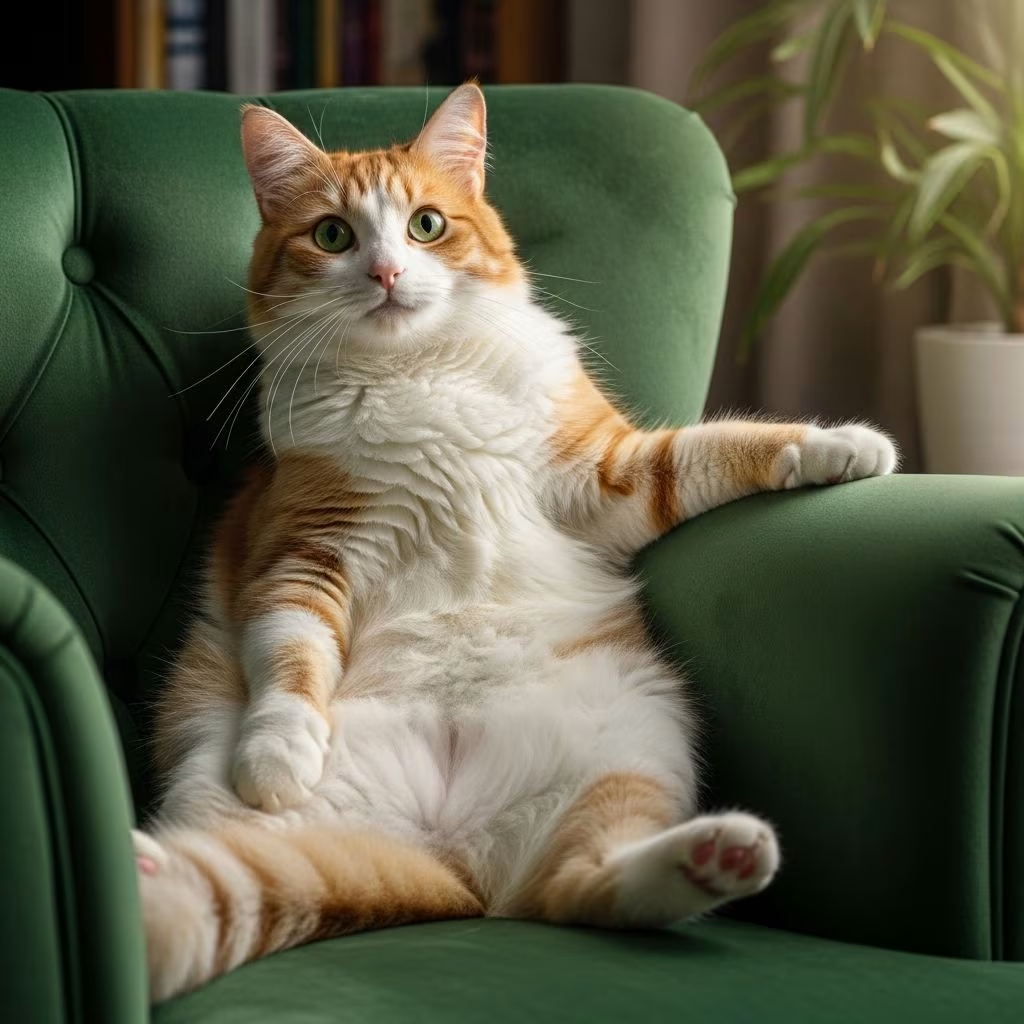
Cats often display quirky behaviors that leave their owners amused and curious, such as sitting upright like a human. This posture, where your cat balances on its hind legs with its front paws tucked in or resting on a surface, might look comical or even concerning at first glance. Rest assured, this behavior is typically perfectly normal and not a cause for alarm. In this comprehensive guide, we’ll dive into the primary reasons behind this feline habit, drawing from expert observations and common cat behaviors. Whether it’s a momentary pose or a regular routine, understanding why your cat adopts this human-like sitting position can strengthen your bond and help you appreciate their unique personality.
Cat owners frequently share photos and videos of their pets lounging in chairs or on the floor in this endearing way, sparking questions online and in vet offices. From practical needs like grooming hard-to-reach areas to emotional signals of comfort, these positions reveal much about your cat’s well-being. We’ll cover the main explanations, potential health considerations, and tips for encouraging positive behaviors, ensuring you have all the knowledge to enjoy these moments worry-free.
The 4 Main Reasons Your Cat Sits Like a Person
There are several well-observed reasons why cats assume a human-sitting posture. These explanations stem from their natural instincts, environmental adaptations, and social interactions with humans. While no single reason applies to every cat, combining these insights provides a fuller picture of this charming quirk.
1. It’s a Grooming Session
One of the most common triggers for this posture is self-grooming. Cats are meticulous about hygiene, spending up to half their waking hours cleaning themselves. The upright position allows them to access tricky spots like the belly, inner thighs, nether regions, paws, and lower abdomen—areas that require contorting their flexible spines in unusual ways.
Imagine your cat pausing mid-lick, hindquarters planted firmly while the front end rears up for better leverage. This isn’t awkward for them; their anatomy supports such acrobatics. Owners often capture these moments because the cat freezes in place, looking remarkably like a tiny person at a desk. If grooming follows or precedes the pose, this is likely the culprit. Encourage this by providing scratching posts and brushes, as a well-groomed cat is a happy one.
2. Your Cat Is Too Hot
Cats regulate body temperature differently from humans—they don’t sweat profusely but rely on panting, grooming to spread saliva, and exposing skin. Sitting like a person lifts their paws off warm surfaces, allowing sweat glands in the paw pads to cool more effectively. This is especially noticeable during heatwaves or in stuffy rooms.
- Signs of overheating: Panting, flattened ears, or seeking cool spots like tile floors.
- How to help: Provide cooling mats, fans, or frozen water bowls. Ensure fresh water access and shaded areas.
This thermoregulation tactic highlights cats’ resourcefulness. If your cat frequently adopts this pose in summer or near heaters, temperature is a key factor.
3. The Cat Is Copying Your Behavior
Cats are keen observers, often mimicking human routines to adapt to domestic life. From sleeping schedules (shifting from nocturnal to diurnal) to postures, imitation fosters integration into the household. Seeing you sit upright on the couch or chair prompts them to experiment, finding it novel or comfy.
Anecdotes abound of cats “sitting” in armchairs, staring out windows just like their owners. This social learning strengthens bonds and shows your cat’s intelligence. It’s particularly common in multi-person homes where cats rotate between family members’ laps or seats.
4. Your Cat Is Showing That They Trust You
Exposing the belly or chest is a profound vulnerability signal in cats, reserved for safe environments. Upright sitting displays the underside, indicating deep trust—no fear of attack from household humans or pets. This complements belly-exposure for rubs, a high compliment.
In feral or stressed cats, such openness never occurs; it’s a domestic evolution. Celebrate this by responding gently—offer pets if invited, but respect boundaries to maintain trust.
Additional Theories on Cat Human-Like Sitting
Beyond the core four, enthusiasts and observers propose more nuanced explanations, enriching our understanding.
- Comfort and Laziness: What looks awkward to us feels supportive for some cats, especially post-grooming. Laziness keeps them planted rather than readjusting.
- Attention-Seeking: Some cats “perform” for cuddles, repeating successful poses after positive reinforcement like pets.
- Relaxation or Tiredness: A relaxed cat might doze off mid-pose, akin to a human nodding off on the sofa.
These align with cats’ crepuscular nature adapting to human diurnal patterns, including seating habits.
Is It Normal? When to Worry
Occasional human-sitting is harmless and endearing. However, persistent or sudden changes warrant attention:
| Normal Signs | Concerning Signs |
|---|---|
| Intermittent, relaxed posture Followed by normal activity Common in warm weather or grooming | Frequent stiffness or limping Avoidance of movement Accompanied by lethargy, appetite loss |
| Playful or curious expression | Vocalizing in pain Swollen joints or fur loss |
Joint issues like arthritis or hip dysplasia can mimic this pose due to pain avoidance. Consult a vet for checkups, especially in seniors. Early detection via annual exams ensures longevity.
How to Encourage Positive Sitting Behaviors
Enhance your cat’s comfort and health:
- Provide Varied Seating: Cat trees, window perches, and soft chairs invite upright lounging.
- Maintain Ideal Temps: 68-77°F (20-25°C) prevents overheating poses.
- Enrich Environment: Toys, puzzles reduce stress, promoting relaxed postures.
- Groom Regularly: Brush sessions minimize self-grooming contortions.
- Build Trust: Consistent routines and gentle interactions reward vulnerability.
Photograph these moments—they’re memories of your cat’s personality!
Frequently Asked Questions (FAQs)
What does it mean if my cat sits like a human often?
It usually signals comfort, trust, grooming, or cooling. Monitor for health changes.
Is cat human-sitting a sign of pain?
Rarely, but if paired with limping or reluctance to jump, vet check recommended.
Why do some cats do this more than others?
Breed, age, personality, and environment influence. Confident, adaptable cats mimic humans readily.
Can I train my cat to sit like this?
No need—it’s instinctual. Positive reinforcement encourages natural behaviors.
Does it mean my cat thinks it’s human?
Not literally, but strong bonding leads to mimicry, showing deep attachment.
Cats sitting like people exemplify their adaptability and affection. Embrace these quirks as signs of a thriving pet. For persistent concerns, professional vet advice is key.
References
- Why Is My Cat Sitting Like a Person? 4 Main Reasons — Hepper. 2023. https://articles.hepper.com/why-is-my-cat-sitting-like-a-person/
- Why Do Cats Sit like Humans Sometimes? 12 Plausible Explanations — Kittyclysm. 2023. https://kittyclysm.com/cats-sit-like-humans/
- Why Do Cats Sometimes Sit Like Humans? — YouTube (Video Transcript). 2023. https://www.youtube.com/watch?v=JorkBzfm9DM



