

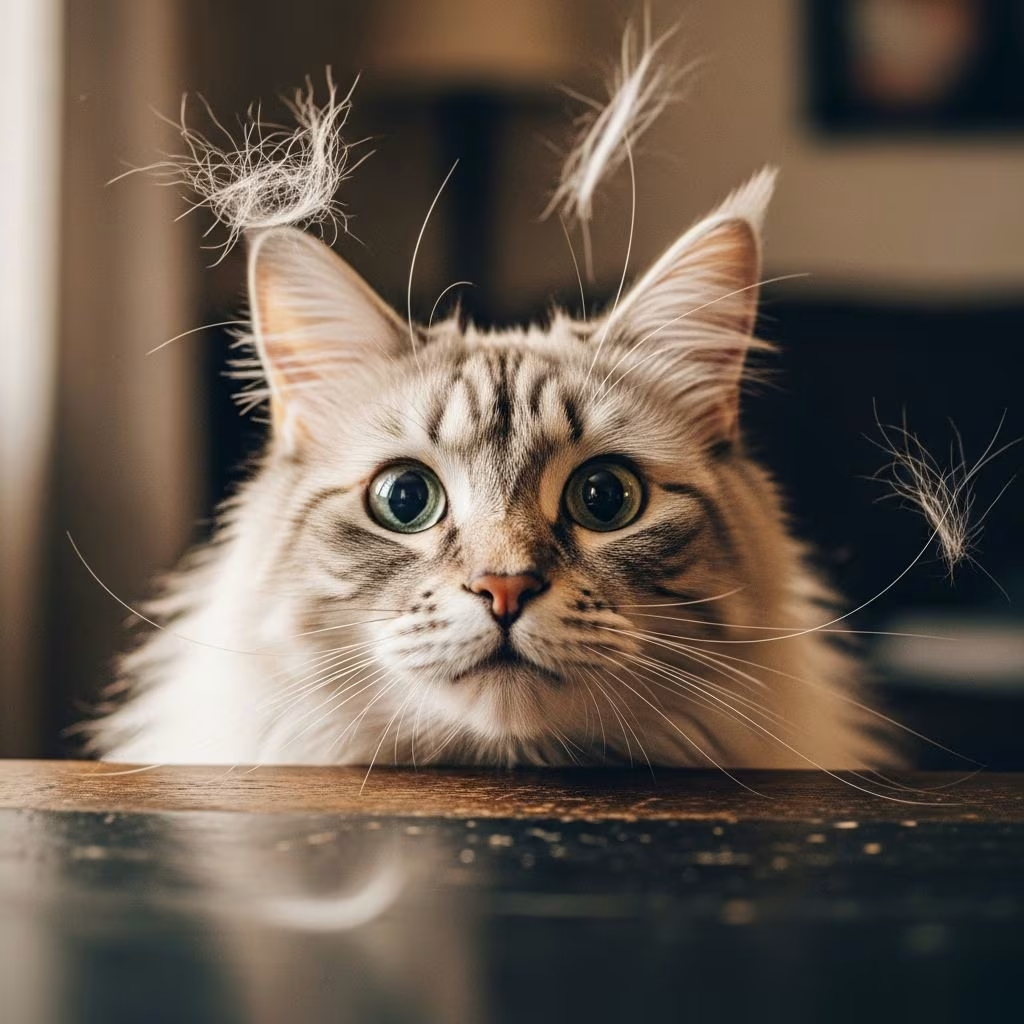
Cats naturally shed to make way for new fur growth, but excessive shedding can leave fur everywhere and raise concerns about your pet’s health. Understanding the causes—from seasonal changes to underlying medical issues—helps you manage it effectively. This guide covers why cats shed, when it’s abnormal, and practical solutions backed by veterinary insights.
Is It Normal for Cats to Shed?
Yes, shedding is a normal process for cats as their fur cycles through growth phases. Cats have two main coat types: undercoat for insulation and guard hairs for protection. Seasonal shedding peaks in spring and fall to adapt to temperature changes, with long-haired breeds like Persians shedding more noticeably.
Daily shedding maintains coat health, but excessive amounts may indicate issues if accompanied by bald patches, skin irritation, or behavioral changes. Healthy cats groom themselves to distribute oils, reducing loose fur, but factors like age, breed, and environment influence shedding volume.
Normal vs. Excessive Shedding: How to Tell the Difference
Normal shedding involves steady fur loss without skin problems; your cat appears healthy with a shiny coat. Excessive shedding shows as clumps of fur, thinning patches, dandruff, itchiness, or redness. Monitor for these signs:
- Large fur balls on furniture or floors beyond seasonal peaks.
- Bald spots or broken hairs.
- Scratching, licking, or overgrooming.
- Dull, dry coat or flaky skin.
- Changes in appetite, energy, or litter box habits.
If shedding coincides with these, consult a vet to rule out abnormalities. Early detection prevents worsening conditions.
Top Reasons Your Cat Might Be Shedding a Lot
Several factors contribute to increased shedding. Here’s a breakdown:
1. Seasonal Shedding
Cats shed more in spring to lose winter undercoat and in fall for insulation. Indoor cats may shed year-round due to artificial light mimicking longer days, triggering continuous cycles.
2. Breed and Coat Type
Long-haired breeds (Maine Coon, Siberian) and double-coated cats shed profusely. Short-haired cats shed less visibly but equally.
3. Poor Nutrition
Diets lacking protein, omega fatty acids, vitamins (A, E, B12), or zinc weaken the coat, causing dry, brittle fur that sheds excessively. Avoid unbalanced homemade diets or treats without AAFCO approval. Even complete diets fail if underlying issues like parasites impair absorption.
| Nutrient | Role in Coat Health | Deficiency Signs |
|---|---|---|
| Protein | Hair structure | Dull, sparse fur |
| Omega-3/6 Fatty Acids | Skin moisture | Dry, flaky skin |
| Zinc & Vitamins | Cell growth | Thinning, poor growth |
4. Stress and Anxiety
Changes like moves, new pets, or vet visits cause stress-induced overgrooming, leading to hair loss. Look for hiding, aggression, or appetite loss. Probiotics or pheromone diffusers help.
5. Allergies and Parasites
Flea allergy dermatitis, food/environmental allergies, mites, or ringworm cause itching and shedding. Fleas provoke intense reactions even in small numbers.
6. Skin Infections and Health Conditions
Bacterial/fungal infections, hyperthyroidism, kidney disease, diabetes, or GI disorders disrupt coat health. Obesity hinders grooming, worsening shedding.
7. Grooming Challenges
Older, obese, or arthritic cats struggle to self-groom, leaving dead fur. Medications or dry environments exacerbate dryness.
How to Reduce Cat Shedding: Practical Tips
Manage shedding through consistent care:
- Brush Regularly: Use a slicker brush or de-shedding tool 2-3 times weekly for short hair, daily for long hair. Removes 90% loose fur.
- Bathe Sparingly: Waterless shampoos or vet-approved baths monthly moisturize skin.
- Improve Diet: Switch to AAFCO-approved food rich in omegas; vet-guided supplements if needed.
- Control Environment: Use air purifiers, wash bedding weekly, vacuum daily.
- Parasite Prevention: Monthly flea/tick treatments year-round.
- Reduce Stress: Provide scratching posts, playtime, and safe spaces.
For severe cases, vet-prescribed medicated shampoos or diets target root causes.
When to See a Vet for Excessive Shedding
Seek veterinary care if shedding persists despite grooming/diet changes, or includes:
- Bald patches, sores, or scabs.
- Persistent itching or odor.
- Systemic symptoms like weight loss or lethargy.
- Sudden onset in senior cats.
Vets diagnose via skin scrapes, bloodwork, or allergy tests, treating with meds, diet changes, or parasite control.
Frequently Asked Questions (FAQs)
Can excess shedding be a sign of a health issue in cats?
Yes, especially with irritation, thinning, or illness signs. Allergies, parasites, infections, or diseases like kidney issues cause abnormal shedding. See a vet for diagnosis.
How often should I brush my cat to control shedding?
Short-haired: 2-3 times/week; long-haired: daily. Brushing removes dead fur and distributes oils.
Does diet affect cat shedding?
Absolutely. Nutrient deficiencies from poor diets lead to poor coat quality. Choose AAFCO-balanced foods.
Why is my indoor cat shedding year-round?
Consistent light cycles disrupt seasonal shedding, mimicking perpetual spring.
Can stress cause my cat to shed more?
Yes, stress prompts overgrooming and fur loss. Address with enrichment.
Preventing Excessive Shedding Long-Term
Annual vet checkups, parasite prevention, balanced nutrition, and routine grooming keep shedding minimal. Track changes monthly to catch issues early. Healthy cats shed predictably; deviations warrant attention.
References
- Role of Nutritional Deficiency in Excessive Shedding in Cats — Vetster. 2023-10-15. https://vetster.com/en/wellness/role-of-nutritional-deficiency-in-excessive-shedding-in-cats
- Cat & Dog Shedding: Why it Happens & How to Manage — Sploot Vets. 2024-05-20. https://www.splootvets.com/post/cat-and-dog-shedding-why-it-happens-how-to-manage
- Excessive Shedding in Cats — Hill’s Pet Nutrition. 2024-08-10. https://www.hillspet.com/cat-care/healthcare/excessive-cat-shedding
- Why is Your Cat Shedding So Much? — Purina US. 2024-03-12. https://www.purina.com/articles/cat/health/routine-care/why-is-cat-shedding-so-much
- 8 Ways to Reduce Cat Shedding — Bond Vet. 2023-11-05. https://bondvet.com/blog/ways-to-reduce-cat-shedding
- My Cat is Shedding a Lot. What Does it Mean? — Zoetis Petcare. 2024-01-22. https://www.zoetispetcare.com/blog/article/cat-shedding
- Why is my cat shedding so much? — Animal Friends Dermatology. 2024-07-15. https://www.animalfriendsdermatology.com/site/blog/2024/07/15/why-cat-shedding-much



