

Why Does My Cat Scratch Walls and Floors?
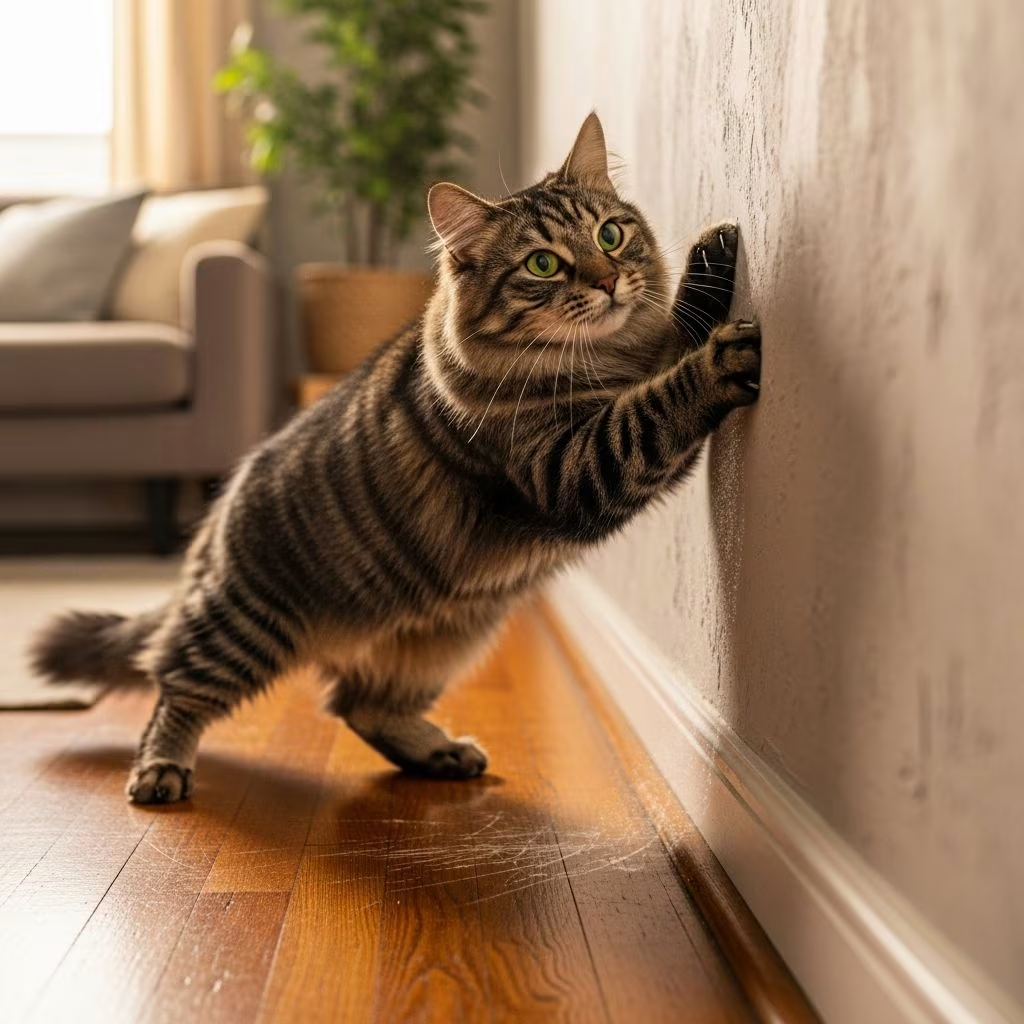
Cat scratching is a completely natural behavior that frustrates many pet owners, but understanding the reasons behind it is the first step toward managing it effectively. Scratching is nearly always behavioral in nature, meaning it rarely indicates a medical problem unless accompanied by other signs of disease such as changes in appetite, activity levels, urination habits, or discharge from eyes or nose. Rather than being an act of spite or intentional destruction, cats scratch to protect themselves physically and emotionally. By recognizing these motivations, you can better support your feline companion and find appropriate solutions.
The Top 4 Reasons Why Cats Scratch Walls
Understanding why your cat engages in wall scratching is essential for addressing the behavior. Here are the primary reasons your cat may be targeting your walls:
1. Mark Their Territory
One of the most important reasons cats scratch is to establish and maintain their territory. When your cat scratches, they release pheromones—a unique, strong scent that is detected only by other cats. These pheromones are released from special areas on your cat’s paws called interdigital glands, leaving an invisible message on walls, furniture, and other surfaces throughout your home.
Depositing pheromones helps cats of any breed or age feel safe in their environment by claiming stake to walls and furniture, regardless of whether you have a single cat or multiple cats in your household. This reassuring scent entices the cat to return to the same scratching spot because the area is now marked as theirs. According to feline behavior experts, cats do this to avoid conflict with other cats—it’s a self-preserving mechanism that helps them establish boundaries and communicate with other felines in their territory.
Cats may also leave messages indicating that areas are safe, establishing a hierarchy within their environment, warning other cats to stay clear, or making statements about food or litter box locations. However, it’s important to note that marking territory doesn’t apply to humans. Cats typically don’t scratch for our attention or approval, though many owners interpret the behavior this way.
2. Keep Their Claws Sharp and Healthy
Scratching serves a critical maintenance function for your cat’s claws. When cats scratch against textured surfaces like wallpaper, carpet, or scratching posts, they shed the outer layer of the nail called the sheath, leaving behind a sharp and healthy claw underneath. This process is essential for maintaining proper claw function.
Unlike human nails, which grow straight, cat nails grow in layers. As the nail gets worn out from climbing or hunting, the outer layers lose blood supply and become dull, ready for removal. By scratching, cats naturally remove this dull outer layer and expose the sharp nail beneath. This is why providing appropriate scratching surfaces is so important—it allows your cat to maintain their claws in optimal condition for their natural activities like climbing and hunting.
3. Stretch Back Muscles and Spine
When your cat reaches high up on a wall or scratching post for a full body stretch, it’s not just for comfort—it aids significantly in their quick movements and graceful twisting abilities. This stretching helps maintain the flexibility and strength cats need for high jumps, soft landings, and the impressive physical feats we admire in our feline friends.
Stretching keeps cats flexible by allowing them to both extend and flex their back muscles, reaching full speed when necessary. Conversely, this flexibility also helps them contract their bodies to fit into tight spaces. For cats, maintaining this level of physical fitness through regular stretching is as important as it is for humans. Wall scratching provides an excellent opportunity for cats to engage in this necessary physical maintenance.
4. Express Stress or Anxiety
Excessive scratching that happens all over the house on a variety of surfaces—floors, walls, furniture, and carpet—may be a sign that your cat is experiencing stress or anxiety. Cat anxiety is often overlooked by pet owners, leading to misunderstanding of why their cats engage in destructive behaviors.
The location and pattern of scratching are important diagnostic tools. If the scratching is widespread across multiple areas, it’s likely a sign of stress. If it’s persistent and solely in one place, your cat may be protecting a specific resource, such as food, water, or the litter box. As a general rule, provide one extra litter box than there are cats in your house to help reduce stress-related behaviors. Your veterinarian can help you determine whether your cat’s scratching pattern is stress-related or a behavior that can be managed with scratching alternatives and environmental modifications.
Why Is My Cat Scratching the Walls at Night?
If you’ve noticed your cat scratching walls primarily during nighttime hours, there’s a simple explanation rooted in feline biology. Cats are crepuscular animals, meaning they are naturally most active at dawn and dusk. This is when their wild ancestors would hunt, so it’s in your cat’s DNA to become more playful and active during the darker hours.
The increased nighttime wall scratching often results from lack of engagement during the day. Sometimes pet owners forget to play with their cats during daylight hours, which can lead to boredom and unwanted behaviors such as furniture and wall scratching during cats’ naturally most active times. Providing interactive play sessions, toys, and enrichment activities during the early morning and evening hours can significantly reduce nighttime scratching behavior. Consider using interactive toys, laser pointers, or feather wands to engage your cat when their natural energy levels peak.
Why Is My Cat Scratching the Floor?
Cats scratch the floor for similar reasons they scratch walls, but floor scratching often indicates texture preferences. Some cats prefer the feel of carpet or rough area rugs over hard surfaces. Understanding your cat’s texture preference is key when choosing the material for your scratching post or pad.
Floor scratching near a litter box or food bowl doesn’t necessarily mean your cat is unhappy with those items, despite what it might seem. If a cat is dissatisfied with their litter box, there will be other associated behaviors, such as refusal to eat altogether or misuse of the litter box. For example, if your cat is scratching in addition to urinating outside the box or jumps out immediately after use, the issue may be with litter texture. Cats naturally cover their poop with litter, so changing the type of litter to a texture they prefer can resolve the behavior.
Distinguishing Normal Scratching from Problem Behavior
Not all scratching is cause for concern. The key to managing cat scratching is understanding when it’s normal behavior versus when it indicates a problem that needs addressing. Normal scratching includes:
- Scratching in designated areas or on appropriate surfaces
- Scratching a few times throughout the day
- Scratching as part of stretching or waking routines
- Scratching followed by relaxation or play
Problem scratching that requires intervention includes:
- Excessive scratching in multiple locations throughout the home
- Persistent scratching of specific walls or floors that damages your home
- Sudden changes in scratching behavior or intensity
- Scratching accompanied by other behavioral changes or signs of distress
Solutions for Managing Wall and Floor Scratching
If your cat’s scratching has become problematic, several strategies can help redirect this natural behavior:
- Provide appropriate scratching surfaces: Offer scratching posts, pads, and boards in various materials (sisal rope, cardboard, carpet) to match your cat’s preferences
- Place scratching posts strategically: Position them near areas where your cat currently scratches and in high-traffic areas
- Use deterrents on walls: Apply double-sided tape, aluminum foil, or commercial pet deterrents to discourage scratching on unwanted surfaces
- Increase environmental enrichment: Provide climbing trees, window perches, and interactive toys to reduce boredom
- Maintain regular play sessions: Engage your cat during peak activity times to expend energy appropriately
- Consider stress reduction: Identify and minimize sources of anxiety in your cat’s environment
- Reward appropriate behavior: Praise and reward your cat when they use designated scratching areas
When to Consult Your Veterinarian
If you’ve tried multiple techniques to deter your cat from the walls without success, or if the scratching behavior seems excessive or sudden, consult with your veterinarian for further behavior modification tips. Your vet can rule out any underlying medical conditions and may recommend working with a feline behavior specialist if needed. Professional guidance is particularly important if the scratching is accompanied by other behavioral changes or signs of distress.
Frequently Asked Questions (FAQs)
Q: Is cat scratching a sign of a medical problem?
A: Cat scratching is nearly always behavioral rather than medical. However, if scratching is accompanied by changes in appetite, activity levels, urination habits, or discharge from eyes or nose, consult your veterinarian to rule out health issues.
Q: How can I stop my cat from scratching the walls?
A: Provide appropriate scratching surfaces, use deterrents on walls, increase environmental enrichment, maintain regular play sessions, and reward your cat when they use designated scratching areas. If these strategies don’t work, consult your veterinarian.
Q: Why does my cat scratch at night?
A: Cats are crepuscular and naturally most active at dawn and dusk. Nighttime scratching often indicates boredom or lack of engagement during peak activity hours. Provide interactive play sessions during these times.
Q: Does scratching the floor near the litter box mean my cat is unhappy?
A: Not necessarily. Floor scratching near the litter box doesn’t automatically indicate dissatisfaction. If your cat is truly unhappy with the box, there will be other behaviors present, such as litter box avoidance or refusal to use it.
Q: What textures do cats prefer for scratching?
A: Different cats have different texture preferences. Some prefer sisal rope, others like cardboard or carpet. Offering various scratching surfaces helps you identify your cat’s preferred texture for scratching.
Q: Can excessive scratching indicate stress?
A: Yes. Excessive scratching that occurs in multiple locations throughout your home may indicate stress or anxiety. If scratching is widespread, it’s likely a sign of stress. Changes in environment, new pets, or disruptions to routine can trigger this behavior.
References
- Why Do Cats Scratch Walls? 4 Reasons Why and How to Stop It — Chewy Education. 2024. https://www.chewy.com/education/cat/health-and-wellness/why-does-my-cat-scratch-the-wall-and-floor
- Why is My Cat Scratching the Floor like Litter? — Kinship. 2024. https://www.kinship.com/cat-behavior/why-is-my-cat-scratching-the-floor
- Destructive Scratching — ASPCA Pet Care. https://www.aspca.org/pet-care/cat-care/common-cat-behavior-issues/destructive-scratching
- Feline Behavior Problems: Destructive Behavior — Cornell Feline Health Center, Cornell University College of Veterinary Medicine. https://www.vet.cornell.edu/departments-centers-and-institutes/cornell-feline-health-center/health-information/feline-health-topics/feline-behavior-problems-destructive-behavior



