

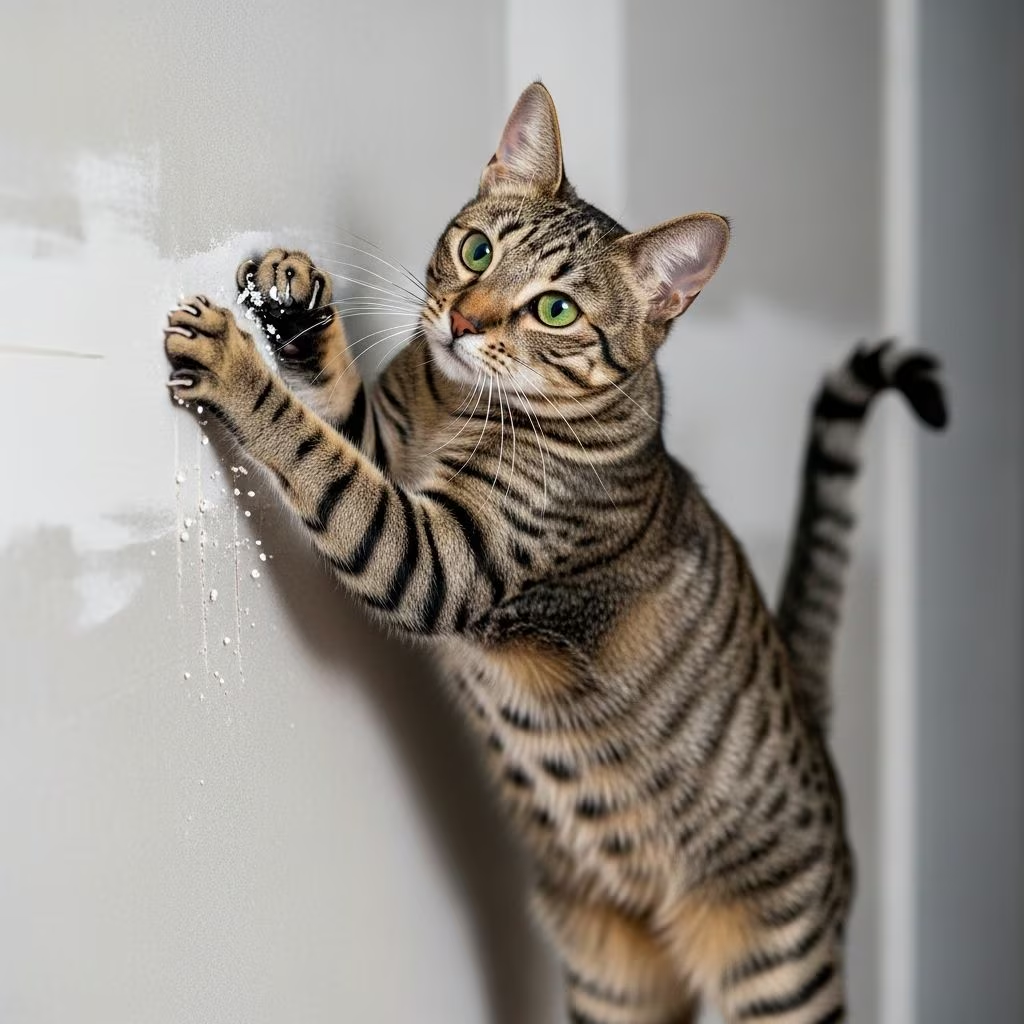
Wall scratching is a common and frustrating behavior for many cat owners, but it’s entirely natural for felines. Cats scratch walls to mark territory using scent glands in their paws, shed the outer layers of their claws to keep them sharp, stretch their muscles, relieve stress or boredom, and communicate with other cats. Understanding these instincts helps you provide better alternatives like scratching posts, preventing damage to your home while meeting your cat’s needs.
Understanding Why Cats Scratch Walls
Cats are instinctively driven to scratch, a behavior rooted in their wild ancestry where claws are essential for survival. In modern homes, walls become convenient targets when appropriate outlets are lacking. All breeds, from Maine Coons to Peterbalds, exhibit this trait, serving multiple purposes vital to their physical and mental health.
Key reasons include:
- Territory marking: Scent glands in paw pads release pheromones, combined with visible scratches, signaling ownership to other cats or animals.
- Claw maintenance: Scratching removes dead outer sheaths, exposing sharp new claws and preventing overgrowth or snagging.
- Physical stretching: It flexes muscles, promotes flexibility, and relieves tension, mimicking tree-climbing in the wild.
- Stress or boredom relief: Acts as self-soothing for anxiety from changes like new pets, moves, or isolation.
- Communication: Visual and scent cues convey emotions like excitement or frustration, especially in multi-cat homes.
Instinctual Reasons for Scratching
Scratching is hardwired into cats’ DNA, used for balance, hunting, climbing, defense, and mental stimulation. Without outlets, walls suffer as cats seek vertical surfaces for grip and height advantage. In nature, trees provide perfect textures; indoors, smooth walls approximate this when posts are absent. This behavior keeps cats physically fit and mentally engaged, essential for their well-being.
Claw Health and Maintenance
Cats’ claws grow continuously, unlike human nails. Scratching sheds the dull outer layer, revealing sharp tips underneath and maintaining ideal length to avoid painful tears. Without regular scratching, claws can curl inward, causing discomfort or infection. Indoor cats especially need this, as they lack natural surfaces like rocks or bark. Regular provision of sisal or cardboard scratchers mimics these textures effectively.
Territory Marking Explained
Even solitary indoor cats mark territory instinctively. Paw pad glands deposit unique scents during scratches, creating an invisible ‘map’ of their domain. Visual scratches reinforce this, warning intruders. In single-cat homes, it’s about claiming space from perceived threats like visitors or neighborhood animals. Multi-cat households see heightened activity near resources like food bowls.
Stress, Boredom, and Anxiety
Excessive wall scratching often signals emotional distress. Triggers include routine disruptions, loud noises, new household members, or insufficient playtime. Boredom peaks when owners are away, leading to nocturnal scratching since cats are crepuscular (active dawn/dusk). Patterns like increased scratching alone suggest enrichment needs toys, climbers, and daily interaction.
Why Do Cats Scratch After Using the Litter Box?
Post-litter box scratching mimics wild burial of waste to hide scents from predators. If directed at walls or furniture, it indicates dissatisfaction: too-small box, wrong litter type/depth, uncleanliness, or location issues. Solutions include larger boxes (1.5x cat length), clumping unscented litter 2-3 inches deep, and multiple boxes per cat plus one extra. Food-caching scratches post-meal follow similar instincts for concealment.
Why Do Cats Scratch Walls at Night?
Nocturnal scratching disrupts sleep but aligns with cats’ natural activity peaks. Pent-up daytime energy releases at night without outlets. Combat this with evening play sessions using wand toys to tire them, plus puzzle feeders for mental work. Vertical posts near sleep areas provide anytime access.
How to Stop Your Cat from Scratching Walls
Redirect, don’t punish—discipline increases stress, worsening behavior. Humane strategies:
- Provide diverse scratchers: sisal posts (upright for walls), horizontal cardboard, varied textures/heights.
- Placement: Near problem walls, litter boxes, beds—high-traffic zones.
- Attract with catnip, toys, or dangling strings.
- Positive reinforcement: Treats/praise for using posts.
- Block walls: Double-sided tape, aluminum foil, plastic panels as deterrents.
- Trim nails regularly to minimize damage.
| Scratching Surface | Best For | Pros | Cons |
|---|---|---|---|
| Sisal Post | Territory/Vertical | Durable, tall, natural feel | Can tip if unstable |
| Cardboard Scratcher | Horizontal/Claw shed | Cheap, replaceable, quiet | Litter tracking |
| Wall-Mounted Shelf | Stretching/Marking | Space-saving, secure | Installation needed |
Enrichment and Exercise Tips
Prevent issues proactively: Daily 15-30 minute play mimics hunting, reducing boredom. Interactive toys, window perches, cat trees fulfill climbing urges. Rotate toys for novelty. Puzzle feeders dispense meals slowly, engaging brains. In multi-cat homes, ensure equal resources to curb rivalry scratching.
Should You Discipline Your Cat?
No—punishment like yelling or spraying causes fear, avoidance, and escalated issues. Cats don’t link discipline to actions minutes prior. Focus on redirection and rewards for building trust and correct habits.
Is Declawing an Option?
Absolutely not. Declawing amputates toe bones, causing chronic pain, arthritis, litter avoidance, biting aggression, and depression. It’s banned in many places as inhumane, ignoring scratching’s root needs. Opt for nail caps, trims, and environmental fixes instead.
When to See a Vet
Consult if scratching accompanies limping, excessive grooming, appetite loss, lethargy, or sudden intensity—these signal pain, allergies, parasites, or hyperthyroidism. Behavioral vets assess anxiety; meds or therapy may help severe cases.
Frequently Asked Questions
Why is my cat suddenly scratching walls more?
Changes in environment, stress, or lack of posts trigger increases. Observe patterns and enrich accordingly.
Will a scratching post stop wall damage?
Yes, if appealing and placed strategically. Experiment with types until preferred.
Can stress cause wall scratching?
Yes, it’s a coping mechanism. Identify triggers and add play/stress reducers.
Is wall scratching normal for kittens?
Very—kittens learn boundaries young. Train early with posts.
What if my cat ignores scratching posts?
Make irresistible with catnip; reward use. Try different materials.
By addressing these instincts, you’ll foster a scratching-free home and happier cat. Patience and consistency yield results.
References
- Why Does my Cat Scratch the Wall? — Dutch. 2023. https://www.dutch.com/blogs/cats/why-does-my-cat-scratch-the-wall
- Why Does My Cat Scratch the Wall? — Furmia. 2023. https://furmia.com/blogs/news/why-does-my-cat-scratch-the-wall
- Ask Crystal: A Shocking Behavior — Blue Ridge Humane Society. 2023. https://www.blueridgehumane.org/ask-crystal-a-shocking-behavior/
- Destructive Scratching – Prevention and Solutions — PAWS. 2023. https://www.paws.org/resources/destructive-scratching/



