

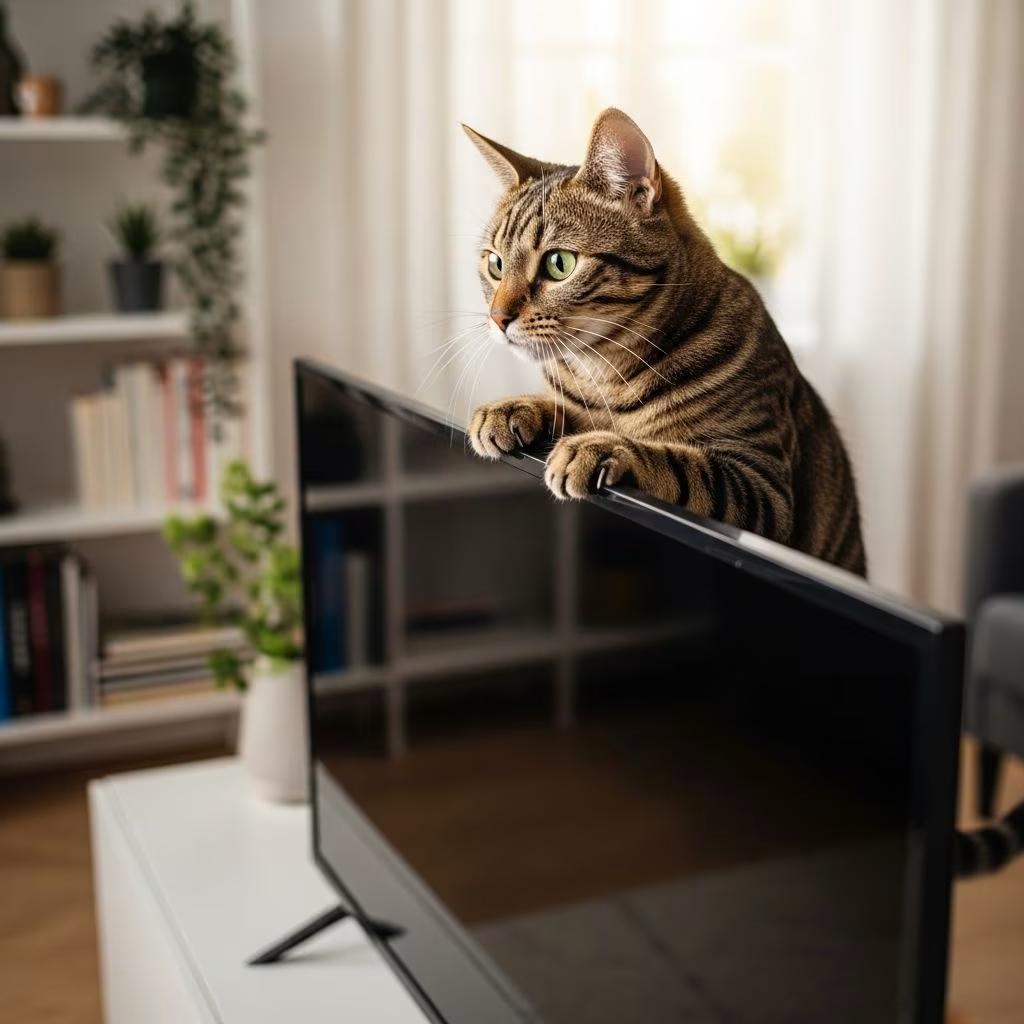
Cats scratching televisions is a common yet frustrating issue for many pet owners. This behavior stems from a cat’s natural instincts, environmental preferences, and sometimes unmet needs. Understanding the root causes allows you to address it effectively without punishment, which can harm your bond with your feline friend. This article explores why cats target TVs, how to identify their preferences, provide alternatives, and manage the environment for lasting solutions.
Understanding Cat Scratching Behavior
Scratching is an essential natural behavior for cats, serving multiple purposes beyond mere destruction. Cats scratch to maintain claw health by shedding old nail sheaths, mark territory with scent glands in their paws, and communicate with other cats. When a cat chooses the TV, it’s often because the screen’s shiny surface, warmth from electronics, movement of images, or its prominent position appeals to their instincts.
Cats have specific **substrate preferences**—textures like smooth glass, warm surfaces, or vertical positions—that draw them to inappropriate items like TVs. TVs emit heat, reflect light enticingly, and display fast-moving prey-like images, triggering hunting responses. According to feline behavior experts, cats targeting electronics often prefer warmth and shiny materials, making TVs prime targets.
In the wild, cats scratch trees or logs for these reasons; in homes, furniture, walls, or screens become substitutes. Ignoring this need leads to stress, while proper redirection promotes well-being.
Reasons Why Your Cat Scratches the TV
- Instinctual Hunting Response: Fast-moving images on the screen mimic birds, fish, or rodents, prompting swipes with claws extended. Cats react instinctively to this motion, treating the TV as prey.
- Territorial Marking: Scent glands release pheromones during scratches, claiming the TV as part of their domain, especially if it’s in a high-traffic area.
- Preference for Warmth and Texture: TVs generate heat, and the glossy screen provides a satisfying scratch surface. Cats damaging electronics often seek these qualities.
- Boredom or Lack of Enrichment: Understimulated cats turn to novel items like TVs for entertainment and claw maintenance.
- Attention-Seeking: If scratching elicits reactions from owners, it reinforces the behavior.
- Position and Accessibility: Vertical, elevated TVs match cats’ preference for tall scratching sites where they can stretch fully.
Identifying Your Cat’s Substrate Preferences
To solve TV scratching, first observe patterns. Make a list of scratched items: Are they wooden, textile, carpeted, or shiny? Note positions—vertical like curtains or TVs, horizontal floors, or elevated shelves? Texture (rough sisal vs. smooth glass) and grain direction (vertical for raking, horizontal for picking) matter too.
Cats consistently seek matching surfaces once preferences form. If TVs are targeted, prioritize shiny, warm-alternative posts near the TV initially.
Providing the Right Scratching Posts
Once preferences are known, supply multiple sturdy posts in those materials and positions. Ideal posts are tall (allowing full rear-leg stretch), stable (no wobbling), and varied.
| Preference Type | Recommended Posts | Position Options |
|---|---|---|
| Carpet/Textile | Cover traditional posts with carpet or fabric | Vertical, horizontal, slanted |
| Sisal/Rope | Sisal-wrapped posts with vertical/horizontal grains | Tall vertical for stretching |
| Cardboard/Wood | Cardboard scratchers or wooden posts | Elevated shelves with mats |
| Shiny/Warm | Heated cat beds with scratch surfaces near electronics | Wall-mounted near TV height |
Taller posts (at least 3 feet) get more use, as cats love climbing. For curtain or TV scratchers, install wall shelves 2-3 feet up with attached mats. Place posts near the TV, then gradually relocate.
How to Teach Your Cat to Use Scratching Posts
Make posts irresistible: Rub with catnip, hang toys, sprinkle treats, or add silvervine. Praise lavishly during use. Position in high-traffic areas matching old scratch sites. Consistency rewards correct choices.
- Spray posts with feline pheromone sprays.
- Rotate toys to maintain interest.
- Observe and reinforce immediately.
Managing the Environment to Prevent Scratching
Protection is key alongside alternatives. Limit access to TV rooms via baby gates or bi-level cat cages for absences—these allow climbing and toys.
- Place vinyl runners (knobby side up) on furniture.
- Turn speakers to walls or use plastic covers.
- Block electronics rooms; use corner wall-mount TVs.
- Double-sided tape or anti-scratch sprays on screens (temporary).
For TVs specifically, remote controls or motion-sensor sprays deter without harm. Provide elevated perches elsewhere to redirect climbing urges.
Deterring Inappropriate Scratching
Combine redirection with deterrents. Boredom fuels issues, so offer interactive toys (light-up, moving), puzzle feeders, food balls, and vertical spaces like cat trees.
Trim nails regularly or use Soft Claws® caps (last 6-8 weeks, applied at vets). These protect surfaces while allowing scratching.
Enrichment to Reduce Scratching
A stimulated cat scratches less inappropriately. Daily play sessions mimic hunting, using wand toys for 15-20 minutes. Rotate toys, add window perches for bird-watching, and foraging toys. Multiple resources reduce stress in multi-cat homes.
Common Mistakes to Avoid
- Punishment: Yelling or spraying water increases stress and hiding, worsening behavior.
- Inadequate Posts: Flimsy or short posts get ignored.
- Ignoring Preferences: One-size-fits-all solutions fail.
- No Positive Reinforcement: Cats learn faster from rewards than negatives.
When to Consult a Professional
If scratching persists despite interventions, rule out medical issues like pain or hyperthyroidism with a vet. Feline behaviorists help with complex cases, using force-free methods.
Frequently Asked Questions (FAQs)
Why does my cat scratch the TV screen specifically?
The screen’s shine, warmth, and moving images trigger hunting instincts and match texture preferences.
Will declawing stop my cat from scratching the TV?
No—declawing is inhumane, causes chronic pain, and doesn’t address instincts. Use humane alternatives instead.
How tall should a scratching post be for a TV scratcher?
Tall enough for full stretch on hind legs, ideally 3+ feet.
Can nail caps really protect my TV?
Yes, Soft Claws® encase claws for 6-8 weeks, preventing damage while allowing scratching.
What if my cat ignores new scratching posts?
Enhance with catnip/toys, place near TV, and reward use heavily.
Final Tips for a Scratch-Free Home
Patience and consistency yield results in 2-4 weeks. Monitor progress, adjust based on preferences, and enrich daily. Your cat will thrive with appropriate outlets, saving your TV.
References
- Cat Inappropriate Scratching — Paws In Training. Accessed 2026. https://pawsintraining.com/cats-inappropriate-scratching/
- Why Pets Are a Leading Cause of TV Screen Scratches (2025 Guide) — The Screen Protector. 2025. https://thescreenprotector.co.uk/blogs/news/why-pets-are-a-leading-cause-of-tv-screen-scratches-2025-guide
- Indoor Cat Initiative: Scratching — Ohio State University College of Veterinary Medicine. 2023-01-15. https://indoorpet.osu.edu/cats/problemsolving/scratching/scratch-basics
- Feline Behavior Guidelines: Scratching — American Association of Feline Practitioners. 2022. https://catvets.com/public/PDFs/PracticeGuidelines/FelineBehaviorGuidelines.pdf



