

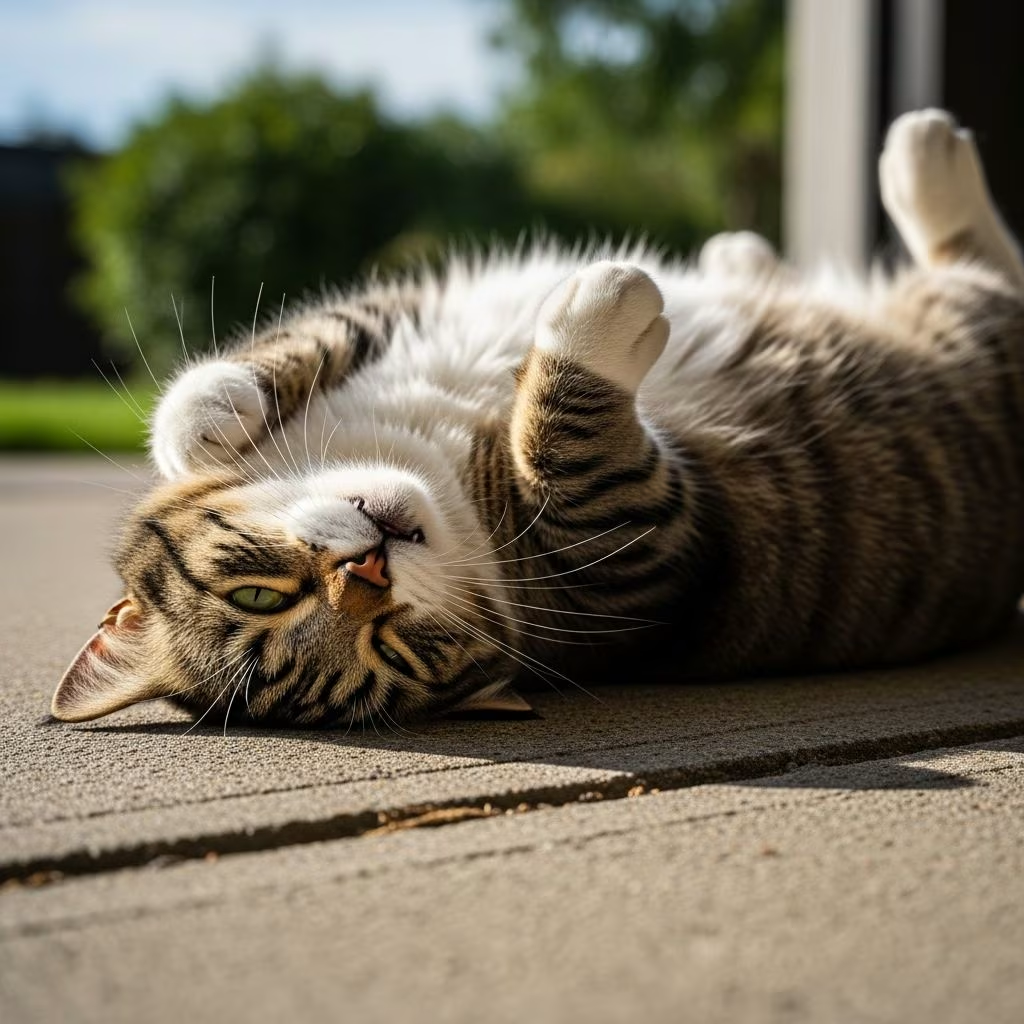
Why Does My Cat Roll on Concrete? Understanding This Strange Behavior
If you’ve ever watched your cat enthusiastically rolling around on concrete, you might have wondered what on earth they’re doing. Concrete seems hard and uncomfortable, yet many cats actively seek it out for rolling sessions. As strange as this behavior may seem, there are actually several legitimate reasons why your feline friend enjoys rolling on concrete surfaces. Understanding these behaviors can help you better care for your pet and recognize when there might be an underlying issue that requires attention from a veterinarian.
Cats engage in rolling behavior for various reasons, ranging from simple comfort to communication with other cats. Unlike humans, cats can’t verbally explain their actions, so we must interpret their behavior through observation and understanding of feline psychology. This guide explores nine primary reasons your cat might be rolling on concrete, helping you decipher what your kitty is trying to communicate.
The 9 Reasons Why Your Cat Rolls on Concrete
1. Territory Marking
One of the most common reasons cats roll on concrete is to mark their territory. Cats possess scent glands distributed throughout their bodies, and rolling allows them to release pheromones effectively onto surfaces. This marking behavior is crucial for feline communication—it tells other cats that the area has already been claimed.
When you observe your cat rolling on concrete, they’re essentially leaving their scent signature. This behavior is more effective on concrete than on grass because the hard surface better retains the scent markers. Other cats entering the area will detect this scent and recognize that territory is already occupied. This territorial behavior is instinctive and completely normal in cats of all ages.
2. Itch Scratching
The hard texture of concrete can provide an excellent scratching surface that helps relieve itching. When cats have an itch they can’t reach or satisfy with regular scratching, rolling on concrete offers relief. The rough surface of concrete works similarly to how scratching posts function—it helps cats groom their fur and remove irritants.
Additionally, rolling in dirt or on concrete can help eliminate parasites or debris that may have become tangled in their coat. If your cat frequently rolls on concrete and you notice excessive scratching, pay close attention to their skin condition. While occasional itching is normal, persistent scratching combined with rolling could indicate fleas, mites, or other parasitic infestations.
3. Temperature Regulation
Cats are naturally heat-seeking creatures, descended from wild ancestors that originated in warm climates. However, even heat-loving cats can become too warm. On sweltering summer days, your cat might roll on cool concrete to regulate their body temperature and find relief from excessive heat. The cool surface helps lower their core temperature when they’re overheated.
Conversely, on cooler days, darker concrete that has been absorbing sunlight may attract your cat because it retains warmth. This temperature regulation behavior shows how intelligent cats are about managing their comfort. By rolling on concrete, your cat can access temperature changes that help them maintain their ideal body temperature of around 101-102 degrees Fahrenheit.
4. Heat Cycle Behavior
Female cats that have not been spayed may exhibit excessive rolling behavior when they’re in heat. This behavior is driven by hormones and is often accompanied by loud vocalizations, increased rubbing on objects, and heightened affection-seeking. During heat cycles, female cats roll to spread their scent more effectively and attract potential mates.
If you notice your female cat rolling excessively on concrete along with other heat-related behaviors, and you haven’t had her spayed, she’s likely in her reproductive cycle. Veterinarians recommend spaying cats to prevent unwanted litters and reduce the intensity of heat-related behaviors. The rolling behavior during heat is particularly vigorous and erratic compared to normal rolling.
5. Attention Seeking
Sometimes, cats roll on concrete simply to get your attention. If your cat has learned that rolling results in treats, playtime, or interaction, they may repeat the behavior to elicit the same response. This learned behavior develops when cats realize that their actions have consequences—specifically, that rolling gets them what they want.
If you’ve previously rewarded your cat with treats or attention after they rolled on concrete, they’ve likely learned to associate rolling with positive outcomes. This behavior is particularly common in indoor cats that have less natural stimulation. Be mindful of what you reward, as reinforcing rolling behavior might lead to it becoming more frequent if it’s not the desired behavior.
6. Playfulness and Catnip Response
Catnip is a well-known trigger for wild rolling behavior in many cats. When exposed to catnip, cats often engage in enthusiastic rolling, face-rubbing, and body-rolling that appears completely uncontrolled. The nepetalactone compounds in catnip mimic pheromones and can send cats into a blissful or euphoric state. If you’ve recently given your cat catnip outside near concrete, their rolling is likely a direct result of the catnip’s effects.
Beyond catnip, rolling can also indicate that your cat wants to play. Young kittens and energetic adult cats often roll as an invitation to engage in playtime. This rolling behavior is typically less intense than heat-related rolling and is accompanied by play-bows, pouncing, and interactive movements with toys or people.
7. Scent Attraction
Cats have an extraordinarily powerful sense of smell, and they may roll on concrete because a scent interests them. Perhaps another cat visited that spot earlier, or another animal marked the area. Your cat finds these scents fascinating and wants to investigate and cover themselves in the smell. This behavior is part of their natural curiosity and how they gather information about their environment.
Rolling in an area with an interesting scent allows your cat to better process and remember that smell. It’s a form of environmental exploration that’s completely normal and healthy. However, if the scent is from another cat in the neighborhood, your cat might be trying to investigate a potential territorial boundary or gather information about their surroundings.
8. Parasitic Infection
While less common than other reasons, excessive rolling on concrete can indicate a parasitic infestation. Fleas, lice, and other external parasites cause irritation that prompts rolling behavior as cats attempt to soothe their uncomfortable skin. If your cat is rolling excessively on concrete and you notice additional symptoms, parasites might be the culprit.
Watch for signs including hair loss, poor coat quality, inflammation, vomiting, and diarrhea. If your cat displays these symptoms alongside concrete rolling, contact your veterinarian immediately. Continued scratching and rolling can create open wounds that become infected. A veterinary examination and appropriate parasite treatment can quickly resolve these issues.
9. Environmental Novelty and Exploration
Cats are naturally sensitive to changes in their environment and are drawn to new objects or surfaces. If a concrete slab, pathway, or new concrete surface has recently been introduced to their territory, they may roll on it simply because it’s new and unfamiliar. This exploration behavior allows cats to incorporate the new element into their territorial awareness.
The porous surface of concrete is particularly appealing because it effectively holds and retains scent markers. Cats understand that concrete provides an excellent medium for spreading their pheromones, making it an ideal location for territory marking through rolling. The combination of novelty and functionality makes newly installed concrete especially attractive to cats.
When Should You Be Concerned?
While rolling on concrete is usually harmless and normal, certain situations warrant veterinary attention. If your cat’s concrete rolling is accompanied by any of the following symptoms, contact your veterinarian:
- Excessive hair loss or bald patches
- Skin redness or inflammation
- Persistent scratching or wounds
- Vomiting or diarrhea
- Changes in appetite or behavior
- Signs of distress or pain
These symptoms could indicate parasitic infection, skin conditions, or other health issues that require professional treatment. Additionally, if your female cat is rolling excessively and hasn’t been spayed, discussing spaying options with your veterinarian is advisable to prevent unwanted pregnancies and reduce heat-related behaviors.
Understanding Your Cat’s Body Language
Rolling behavior is just one form of feline communication. To fully understand what your cat is experiencing, consider their overall body language and context. A cat rolling joyfully with relaxed muscles and slow blinks is expressing contentment. A cat rolling frantically with dilated pupils might be experiencing heat or excitement. A cat rolling while vocalizing loudly alongside other heat-related behaviors is likely in estrus.
Pay attention to your cat’s tail position, ear orientation, and facial expressions when they roll. These details provide important context about their emotional state and motivations. Over time, you’ll develop an intuitive understanding of what your specific cat’s rolling behavior means.
Creating a Safe Rolling Environment
If your cat loves rolling on concrete, ensure they have safe spaces to do so. Keep the concrete area free of sharp objects, toxic substances, and hazards. Make sure your cat has access to shade and water if they’re rolling outdoors on hot days. If rolling is a sign they’re seeking temperature relief, consider providing cool tile or concrete indoors during hot weather.
For cats that roll to mark territory, ensure they have multiple surfaces where they can safely express this behavior. Providing appropriate scratching posts and rough-textured surfaces indoors can satisfy their rolling and marking instincts. These environmental enrichments reduce stress and support natural behaviors in appropriate locations.
Frequently Asked Questions (FAQs)
Q: Is it normal for cats to roll on concrete?
A: Yes, rolling on concrete is completely normal behavior for cats. It serves multiple purposes including territory marking, temperature regulation, and scratching relief. Most cats roll on concrete for harmless reasons.
Q: Why does my cat roll on concrete more in summer?
A: Cats typically roll on cool concrete surfaces in summer to regulate their body temperature. Concrete absorbs and retains temperature, providing a cooling surface when cats are warm. This behavior helps them maintain comfortable body temperatures.
Q: Can rolling on concrete harm my cat?
A: Rolling on clean concrete is generally safe for cats. However, ensure the concrete is free of sharp edges, toxic chemicals, or hazards. If rolling causes visible injuries or if your cat displays signs of illness, consult a veterinarian.
Q: What does it mean if my cat excessively rolls and scratches?
A: Excessive rolling combined with scratching could indicate parasites, allergies, or skin conditions. Watch for hair loss, inflammation, or other symptoms. If these signs appear, contact your veterinarian for evaluation and treatment.
Q: How can I redirect my cat’s rolling behavior indoors?
A: Provide textured surfaces like sisal rugs, scratch posts, and rough mats that satisfy rolling and scratching impulses. Place these items in comfortable locations. You can also apply catnip or silvervine to encourage use of appropriate rolling surfaces.
Q: Does rolling on concrete indicate my cat is ill?
A: Rolling on concrete alone doesn’t indicate illness. However, if rolling is accompanied by other symptoms like hair loss, vomiting, lethargy, or behavior changes, medical evaluation is warranted.
References
- 9 Reasons Why Your Cat Rolls on Concrete – All You Need to Know — Hepper. Accessed January 14, 2026. https://articles.hepper.com/reasons-why-cat-rolls-on-concrete/
- Cats Love Rolling Around on Concrete Slabs, According to a Pet Behaviorist — Upworthy. Accessed January 14, 2026. https://www.upworthy.com/cats-concrete-explained-ex1
- 7 Reasons Why Your Cat Rolls Around — Rover.com. Accessed January 14, 2026. https://www.rover.com/blog/why-do-cats-roll-around/
- Why Does Your Cat Roll Around On the Floor? — Kinship. Accessed January 14, 2026. https://www.kinship.com/cat-behavior/why-does-your-cat-roll-around-on-the-floor



