

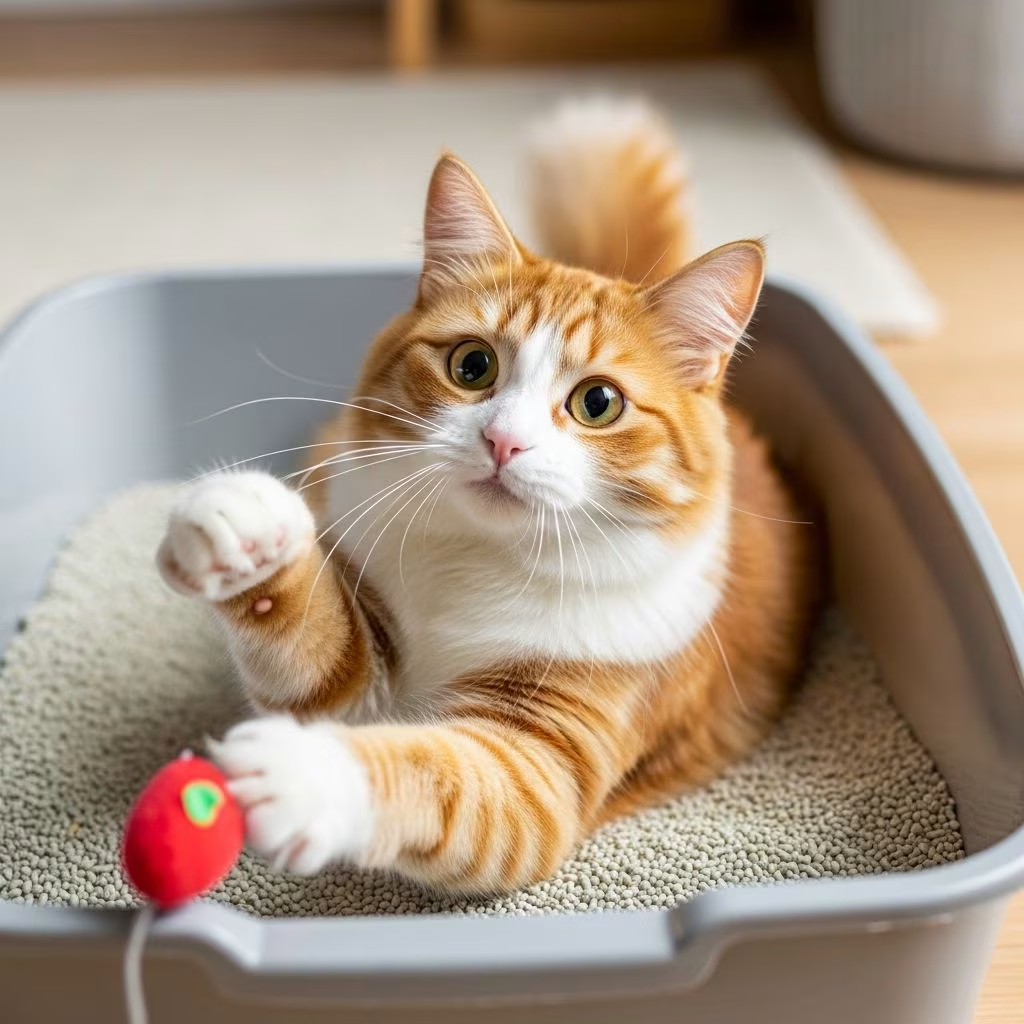
Why Does My Cat Play in the Litter Box?
If you’ve noticed your cat spending considerable time in their litter box beyond regular bathroom visits—jumping in and out, pawing at the litter, or rolling around—you’re likely wondering what’s driving this seemingly odd behavior. While it might appear strange to us, cats playing in their litter boxes is actually quite common and typically stems from natural feline instincts rather than cause for alarm. Understanding the reasons behind this behavior can help you distinguish between normal playfulness and potential health or behavioral concerns.
Natural Curiosity and Playfulness
One of the primary reasons cats engage in litter box play is simple curiosity. Cats, particularly kittens, are naturally inquisitive animals that explore their environment through play. The litter box presents an interesting texture and space for investigation. Kittens especially may view the litter box as an unconventional playground, using it to understand their surroundings through digging, pouncing, and rolling.
This exploratory behavior is a normal and healthy part of feline development. Young cats use play to learn about their world, develop motor skills, and satisfy their natural hunting instincts. The litter box, with its loose material and confined space, offers an appealing sensory experience that stimulates their curiosity.
The good news is that most kittens naturally outgrow this behavior as they mature. As they become older and more accustomed to using the litter box strictly for its intended purpose, they typically lose interest in treating it like a sandbox or play area. However, during the kitten stage, patience and proper management strategies become essential.
Territorial Marking and Scent Communication
Cats rely heavily on scent to communicate and establish their territory within their environment. The litter box is naturally rich with scent markers, making it a focal point for territorial behavior. When your cat plays in the litter box, particularly after you’ve cleaned it, they may be reinforcing their scent in that location to assert ownership and claim it as theirs.
This territorial behavior is especially pronounced in multi-pet households where competition for resources creates stress and the need to establish clear boundaries. Cats may engage in more frequent litter box play to ensure their scent remains prominent, signaling to other household pets that this is their space. This instinctive behavior harks back to their wild ancestors, for whom scent marking was crucial for survival and territory management.
To help reduce territorial disputes and associated stress in homes with multiple cats, veterinarians recommend providing each cat with their own litter box, plus one additional box. This formula ensures that territorial tensions remain minimal and each cat has adequate access to bathroom facilities without feeling threatened.
Enjoyment of Texture and Sensation
Beyond curiosity and territorial needs, some cats simply enjoy the physical sensation of playing in litter. Cats may appreciate the texture beneath their paws or find the temperature of the litter soothing, particularly if it’s cool. Many cats have ancestral desert origins, and some felines still retain the instinct to enjoy dust baths, which litter box play can simulate.
The sensory experience of different litter types can also influence this behavior. Cats may have preferences for certain textures, and a newly refreshed litter box might seem particularly inviting for play. This sensory-driven behavior is entirely normal and not typically a cause for concern unless accompanied by other behavioral changes.
Boredom and Lack of Environmental Stimulation
Another significant factor driving litter box play is boredom. Cats require both mental and physical stimulation to stay engaged and satisfied. When a cat lacks adequate enrichment opportunities in their environment, they may turn to the litter box as a source of entertainment and stimulation. This is particularly true for indoor cats with limited access to novel experiences.
Cats need regular opportunities for play, climbing, exploration, and hunting simulation to maintain psychological well-being. Without sufficient outlets for these natural drives, cats may redirect their energy toward less desirable activities, including excessive litter box play. Providing engaging toys, climbing structures, interactive puzzles, and regular play sessions can significantly reduce boredom-related litter box play.
When Litter Box Play Becomes a Concern
While occasional play in the litter box is normal, certain circumstances warrant professional evaluation. If your cat’s litter box behavior changes dramatically or is accompanied by other behavioral shifts, it may indicate underlying health or psychological issues.
Health Issues to Monitor
If your cat is spending excessive time digging in the litter box but not using it for its intended purpose, or if they seem to be avoiding the litter box altogether, this could signal a urinary tract infection or other medical condition. Similarly, if your cat displays unusual frequency in litter box visits coupled with prolonged play, a veterinary consultation is advisable.
Certain medical conditions can make litter box time uncomfortable, leading cats to change their behavior patterns. Any significant change in litter box habits warrants professional evaluation to rule out underlying health concerns.
Stress and Anxiety Indicators
Stress and anxiety can manifest as changes in litter box behavior. If your cat’s increased litter box play is accompanied by other behavioral changes—such as aggression, withdrawal, decreased appetite, or reduced grooming—these may be signs of underlying stress or anxiety.
Various household changes can trigger feline stress, including:
- Introduction of new pets or family members
- Changes in daily routine or schedule
- Changes in litter type or box location
- Startling noises from appliances or household activities
- Disruptions to the home environment
When stress is identified as the underlying cause, addressing the specific stressor and providing environmental modifications becomes essential for restoring your cat’s behavioral balance.
Practical Strategies to Manage Litter Box Play
Maintain Regular Litter Box Cleaning
One of the most effective ways to encourage appropriate litter box use and reduce excessive play is through consistent maintenance. Regular scooping and cleaning serve multiple purposes: they keep the litter box appealing for bathroom use, allow you to monitor your cat’s elimination habits, and reduce the temptation for play in a clean, freshly filled box.
Cats may be more tempted to play with litter when the box is dirty, as they may dig around to find a clean spot. Daily scooping and weekly thorough cleanings help prevent this issue. Additionally, a clean litter box reduces the risk of infections or diseases that could result from frequent play in soiled litter.
Provide Adequate Play and Environmental Enrichment
Redirecting your cat’s playful energy away from the litter box requires providing alternative, appealing outlets for play and stimulation. Consider implementing these enrichment strategies:
- Interactive toys: Toys that engage your cat’s hunting instincts and encourage active play
- Puzzle feeders: Mental stimulation that mimics the challenge of hunting
- Climbing structures: Cat trees and shelves that provide vertical exploration opportunities
- Scratching posts: Outlets for natural scratching behavior
- Window perches: Visual stimulation from outdoor activity
- Regular play sessions: Interactive play with wands, lasers, or other engaging toys
By providing diverse and engaging activities, you reduce the likelihood that your cat will view the litter box as their primary source of entertainment.
Optimize Litter Box Setup
The physical characteristics of your litter box can influence your cat’s behavior. Consider these modifications:
- Appropriate box size: Litter boxes should be at least 1.5 times the length of your cat’s body to provide adequate space. Oversized boxes reduce frustration and excessive digging
- Proper litter depth: Maintain approximately 1.5 to 2 inches of litter. Shallow litter encourages more digging, while adequate depth allows cats to bury waste properly
- Covered boxes: Covered litter boxes can reduce the amount of litter scattered during play
- Pellet litter: Harder pellets are more difficult to scatter, reducing the appeal of vigorous digging
- Multiple boxes: In multi-cat households, provide one box per cat plus an additional box to reduce territorial competition
Create Environmental Modifications
Beyond the litter box itself, modifying your cat’s broader environment can help manage play behavior. Ensure litter boxes are placed in quiet, accessible locations away from high-traffic areas or startling stimuli. Minimize sudden noises and provide hiding spaces where your cat can retreat if anxious. Maintain consistent routines to reduce stress-related behavioral changes.
Understanding Developmental Stages
Kittens are naturally more prone to litter box play than adult cats, and this behavior is considered a normal part of their development. Kitten play is rambunctious and exploratory, and the litter box often becomes an accidental part of that playful investigation.
As kittens mature and develop a stronger association between the litter box and its primary function—waste elimination—their interest in treating it as a toy typically diminishes naturally. During the kitten stage, rather than viewing litter box play as a problem requiring elimination, it’s more helpful to manage it through the strategies outlined above while recognizing it as a temporary developmental phase.
When to Consult a Veterinarian
While most litter box play is harmless, certain circumstances warrant professional veterinary guidance. Schedule a consultation with your veterinarian if:
- Your cat avoids using the litter box for elimination despite playing in it
- Litter box play is accompanied by other behavioral changes
- Your cat shows signs of stress or anxiety
- There’s a significant change in your cat’s litter box habits
- Your cat displays signs of urinary or digestive issues
- You notice aggression, withdrawal, or other concerning behavioral shifts
A veterinarian can rule out medical conditions and provide behavioral guidance tailored to your cat’s specific situation.
Key Takeaways for Cat Owners
Understanding why your cat plays in the litter box helps you respond appropriately to this common behavior. In most cases, litter box play reflects normal feline curiosity, territorial instincts, and developmental stages rather than a cause for concern. By maintaining clean litter boxes, providing adequate environmental enrichment, optimizing your litter box setup, and monitoring for behavioral changes, you can effectively manage this behavior while supporting your cat’s overall health and happiness.
Remember that patience is essential, particularly with kittens who will likely outgrow this behavior naturally as they mature. Focus on creating a clean, enriched environment that meets your cat’s physical and psychological needs, and don’t hesitate to seek professional guidance if you notice concerning changes in your cat’s litter box behavior or overall demeanor.
Frequently Asked Questions
Q: Is it normal for kittens to play in the litter box?
A: Yes, kittens playing in the litter box is completely normal behavior. Kittens are naturally curious and use play to explore their environment. Most kittens outgrow this behavior as they mature and develop a stronger association between the litter box and its primary function.
Q: Why does my cat play in the litter box right after I clean it?
A: Cats often play in freshly cleaned litter boxes because the clean litter presents a novel, appealing environment. Additionally, they may be reinforcing their scent in the freshly cleaned space as part of territorial behavior.
Q: How can I stop my cat from playing in the litter box?
A: Provide alternative entertainment through toys, puzzles, and climbing structures. Maintain a clean litter box, optimize box size and litter depth, use covered boxes or pellet litter to reduce scattering, and ensure your cat receives adequate play and stimulation. In multi-cat homes, provide multiple litter boxes to reduce competition.
Q: Could my cat’s litter box play indicate a health problem?
A: While occasional litter box play is normal, excessive digging combined with avoidance of the box for elimination, or accompanied by behavioral changes, could indicate a urinary tract infection or other medical issues. Consult your veterinarian if you notice significant changes in your cat’s litter box behavior.
Q: How many litter boxes should I have if I have multiple cats?
A: The recommended formula is one litter box per cat plus one additional box. This ensures adequate access and reduces territorial disputes that might encourage increased litter box play and marking behavior.
Q: What type of litter is best to prevent excessive play?
A: Pellet litter is harder to scatter and may be more effective for cats prone to vigorous digging. Additionally, maintaining proper litter depth (approximately 1.5 to 2 inches) prevents cats from digging excessively to find suitable bathroom spots.
References
- Why Does My Cat Play in the Litterbox? — Heart of Chelsea. 2024. https://heartofchelsea.com/blog/cat-playing-in-litterbox/
- Cat Playing in Litter Box: Why & How To Stop It — Litter-Robot. 2024. https://www.litter-robot.com/blog/cat-playing-in-litter-box/
- Why Do Cats Kick Litter Everywhere? — PetMD. 2024. https://www.petmd.com/cat/behavior/why-do-cats-kick-litter-everywhere
- Litter Box Problems — ASPCA. 2024. https://www.aspca.org/pet-care/cat-care/common-cat-behavior-issues/litter-box-problems
- Why Does My Cat Play With the Litter Box? Exploring Feline Behavior — United Animal Health Pet Hospital. 2024. https://www.uahpet.com/blogs/post/why-does-my-cat-play-with-the-litter-box-exploring-feline-behavior



