

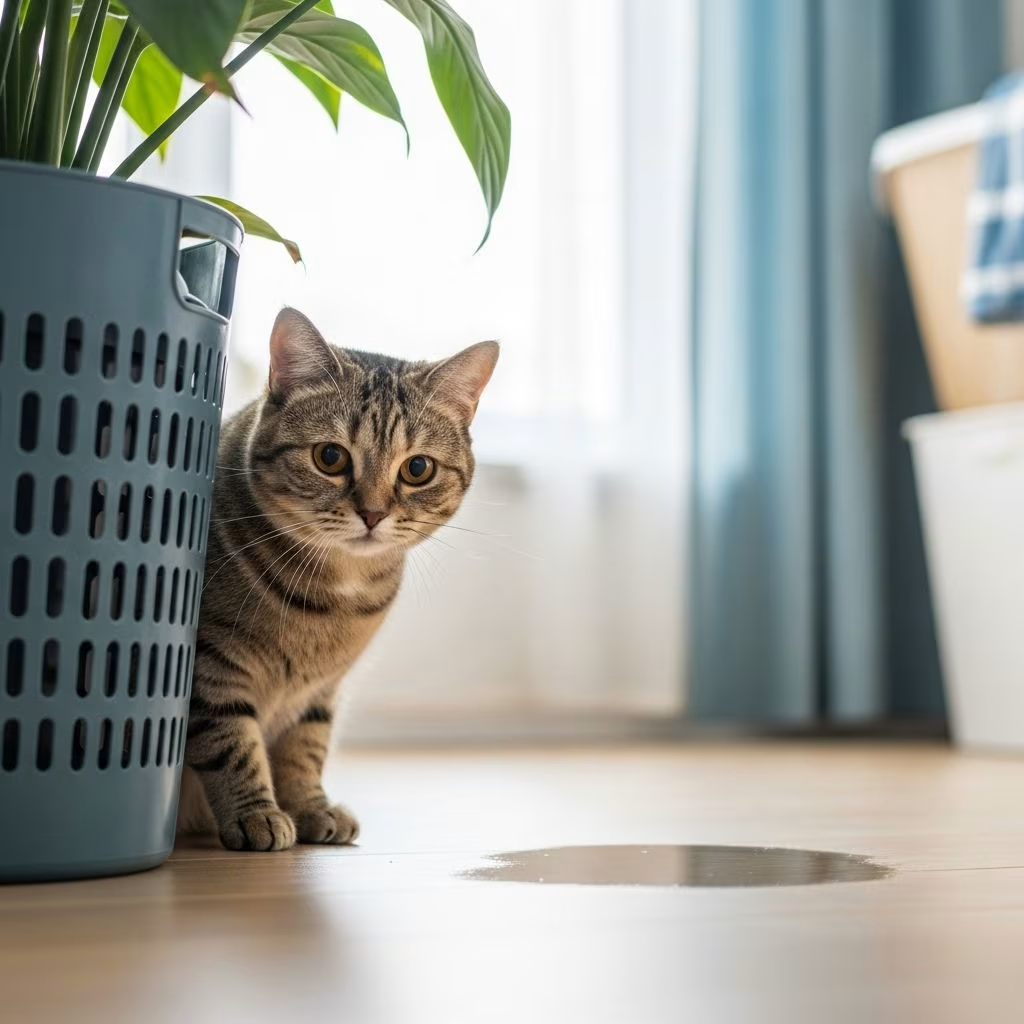
Coming home to find puddles of urine on your bed, couch, or floor can be frustrating and concerning for any cat owner. Inappropriate urination, where cats pee outside their litter box in unusual locations, is one of the most common behavioral complaints reported by feline guardians. While it might seem like spiteful behavior, cats rarely urinate outside the box out of malice. Instead, this issue often stems from medical problems, litter box dissatisfaction, stress, or environmental factors. Understanding the root cause is crucial, as ignoring it can lead to ongoing messes, strained relationships with your pet, and potential health complications for your cat.
According to veterinary experts, the first step is always a vet visit to rule out underlying medical conditions, as sudden changes in urination habits frequently signal health issues. If your cat is medically cleared, behavioral and environmental adjustments can resolve the problem in most cases. This comprehensive guide explores the nine primary reasons your cat may be peeing in weird places, backed by vet insights, and provides practical solutions to help you get your cat back to using the litter box consistently.
The 9 Reasons Your Cat May Pee in Weird Places
Cats are fastidious creatures with specific preferences for cleanliness, privacy, and comfort when it comes to elimination. When these needs aren’t met, they seek alternative spots. Below, we break down the top nine culprits, starting with the most common litter-related issues and progressing to medical and behavioral factors.
1. Unclean Litter Box
Cats possess an extraordinary sense of smell, with 10 to 20 times more olfactory receptors than humans, making them highly sensitive to odors in their litter box. A box that’s not scooped daily or deeply cleaned weekly becomes unappealing, prompting your cat to find a fresher alternative like your laundry pile or bathtub. Dirty litter accumulates ammonia smells from urine and feces, which repel even the most tolerant felines.
Solution: Scoop the litter box at least once daily, ideally twice in multi-cat homes. Replace all litter weekly and wash the box with mild soap and water—no harsh chemicals that could linger and deter use. Enzyme-based cleaners for accidents outside the box neutralize odors completely, preventing re-marking.
2. Change of Litter
Sudden switches in litter type, such as from clumping to non-clumping or clay to crystal, can confuse and discourage cats. They associate specific textures and scents with safe elimination spots. A new litter might feel wrong under their paws or carry unfamiliar smells, leading to avoidance.
Solution: Transition slowly over 1-2 weeks by mixing old and new litter gradually. Offer multiple boxes with different litters to let your cat choose their preference. Most cats favor unscented, fine-grained clumping litter that mimics the softness of soil.
3. Scented Litter
While scented litters are marketed to mask odors for humans, their artificial fragrances—often floral or pine—overwhelm a cat’s sensitive nose. This can make the box repulsive, driving urination elsewhere.
Solution: Switch to unscented clumping litter. If odor control is a concern, rely on frequent scooping and box cleaning rather than added scents. Natural alternatives like corn, wheat, or wood-based litters are often well-tolerated.
4. Too Few Litter Boxes
In multi-cat households, competition for litter boxes leads to avoidance. Cats prefer privacy and dislike sharing, especially if one is dominant. The golden rule from feline behaviorists: one litter box per cat, plus one extra, distributed across different locations.
Solution: For two cats, provide three boxes in separate, quiet areas like different rooms or corners. Ensure boxes are large enough—cats need space to turn around comfortably.
5. Litter Box Too Small or Inconvenient
A cramped or awkwardly placed box frustrates cats. High-sided, hooded, or lidded boxes may suit some but deter others, especially seniors or those with mobility issues. Boxes in noisy, high-traffic spots or far from resting areas get ignored.
Solution: Use low-sided, open boxes sized at least 1.5 times your cat’s length. Place them in low-traffic, accessible spots like bathrooms or laundry rooms. Avoid basements for older cats who struggle with stairs.
6. Stress and Anxiety
Cats are creatures of habit, and changes like new pets, moves, visitors, or rearranged furniture can trigger stress-induced urination. Feline idiopathic cystitis (FIC), a stress-related bladder inflammation, mimics infections with frequent small urinations or blood in urine. Anxious cats may pee to self-soothe, as their scent provides comfort.
Solution: Identify stressors and minimize them—use pheromone diffusers like Feliway, provide hiding spots, and maintain routines. For FIC, vets may prescribe pain relief or anti-anxiety meds alongside environmental enrichment like scratching posts and toys.
7. Urinary Tract Issues (FLUTD)
Feline lower urinary tract disease (FLUTD) encompasses infections, crystals, stones, or blockages causing pain and urgency. Males are prone to life-threatening urethral obstructions, preventing urination entirely—a veterinary emergency. Symptoms include straining, blood in urine, or frequent box visits with little output.
Solution: Seek immediate vet care for diagnosis via urinalysis or imaging. Treatment ranges from antibiotics to surgery for stones. Diet changes to prescription urinary formulas prevent recurrence.
8. Other Medical Conditions
Diabetes increases thirst and urination volume, leading to accidents. Kidney disease causes frequent urges your cat can’t reach the box for. Arthritis makes entering boxes painful, while hyperthyroidism or cognitive dysfunction in seniors disrupts habits.
Solution: Routine bloodwork and exams catch these early. Manage with meds, special diets, or low-entry boxes. Pain relief improves mobility for arthritic cats.
9. Physical Difficulties
Aging, injuries, or nerve damage hinder access. Overweight cats struggle with high sides, and weak hind legs prevent squatting properly.
Solution: Consult vets for mobility aids or weight loss plans. Use shallow, ramped boxes in easy-reach spots—no stairs or jumps required.
How to Stop Your Cat from Peeing Outside the Litter Box
Resolving inappropriate urination requires a multi-pronged approach: vet check first, then optimize the litter setup, clean accidents thoroughly, and reduce stress. Never punish— it heightens anxiety and worsens the issue. Track incidents in a journal noting location, time, and context to spot patterns.
- Clean soiled areas with enzymatic cleaners to erase scents.
- Place a temporary box near accident spots, gradually moving it to the preferred location.
- Deterrents like double-sided tape, foil, or citrus peels discourage repeat spots.
- In multi-cat homes, observe for bullying and add boxes accordingly.
- Enrich environment with vertical spaces, playtime, and consistent feeding.
For persistent cases, consult a veterinary behaviorist. Most cats respond within weeks to these changes.
Frequently Asked Questions (FAQs)
Why is my cat peeing on the bed suddenly?
Sudden bed-peeing often indicates stress, FIC, or urinary pain. Rule out medical issues first, then check litter preferences and recent changes.
Is it ever spite—does my cat pee outside the box to punish me?
No, cats don’t urinate out of revenge. It’s always discomfort, illness, or unmet needs.
How many litter boxes do I need for multiple cats?
One per cat plus one extra, in separate locations to prevent territorial disputes.
What litter do cats prefer most?
Unscented clumping clay is a top choice, but test preferences with side-by-side boxes.
When is inappropriate urination a vet emergency?
If straining without output, blood in urine, vomiting, or lethargy—seek care immediately, especially in males.
Key Takeaways Table: Common Causes and Fixes
| Reason | Symptoms | Fixes |
|---|---|---|
| Unclean Box | Strong odors, avoidance | Scoop daily, deep clean weekly |
| Medical (FLUTD) | Straining, blood | Vet visit, antibiotics/diet |
| Stress | Sudden onset, small amounts | Pheromones, enrichment |
| Too Few Boxes | Multi-cat fights | Add n+1 boxes |
By addressing these factors systematically, you can eliminate weird peeing spots and improve your cat’s well-being. Patience and consistency are key—most issues resolve with the right tweaks.
References
- Why Is My Cat Peeing in Weird Places? 9 Vet-Reviewed Reasons — Catster. 2023. https://www.catster.com/cat-behavior/why-does-my-cat-pee-in-weird-places/
- 6 Reasons Your Cat Is Peeing Outside the Litter Box — PetMD. 2023-10-15. https://www.petmd.com/cat/behavior/reasons-your-cat-peeing-outside-litter-box
- Feline Behavior Problems: House Soiling — Cornell University College of Veterinary Medicine. 2024. https://www.vet.cornell.edu/departments-centers-and-institutes/cornell-feline-health-center/health-information/feline-health-topics/feline-behavior-problems-house-soiling
- Cat Behavior Problems – House Soiling — VCA Animal Hospitals. 2023. https://vcahospitals.com/know-your-pet/cat-behavior-problems-house-soiling
- Urinating Outside the Litter Box: What to do when it’s behavioral — Just Cats Clinic. 2022. https://justcatsclinic.com/urinating-outside-the-litter-box-what-to-do-when-its-behavioral/



