

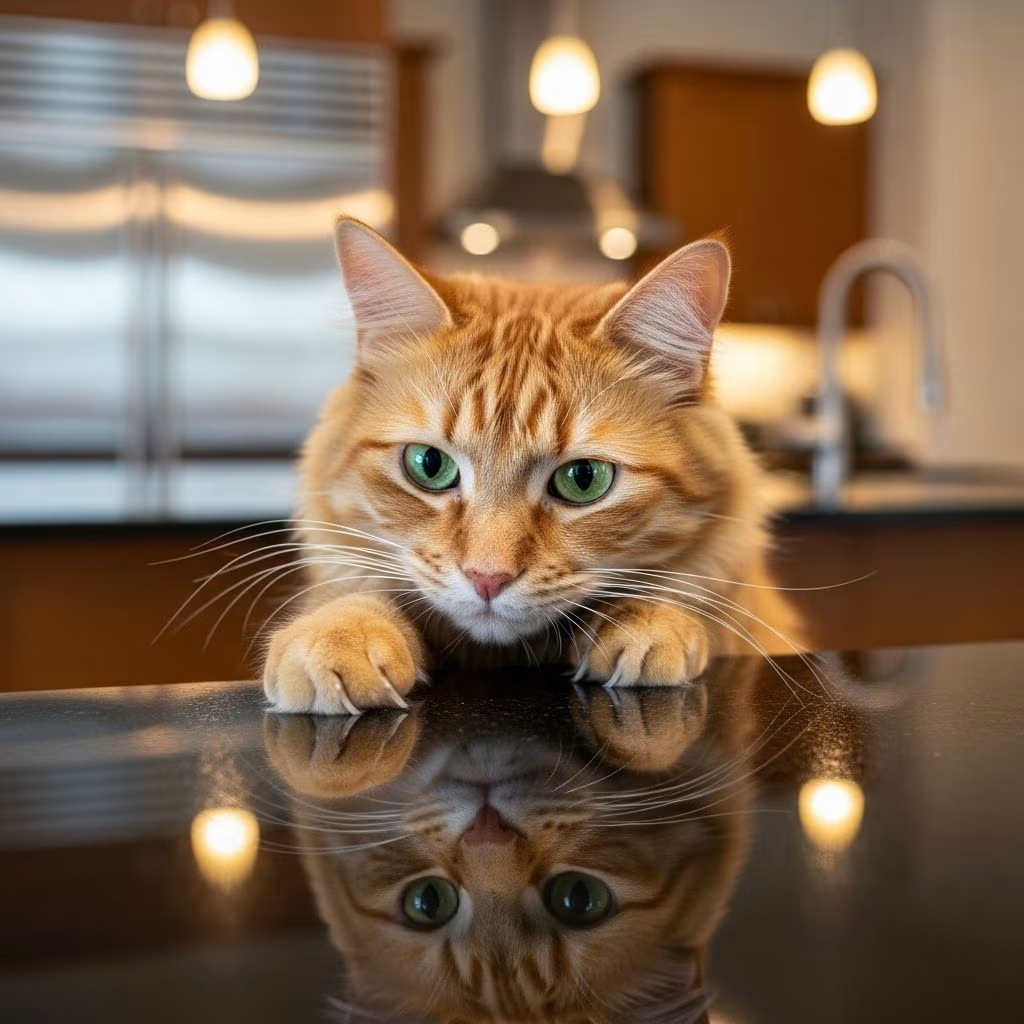
Observing your cat rhythmically pawing or scratching at smooth surfaces like hardwood floors, glass tabletops, or sleek dressers is a common sight in many households. This behavior, often accompanied by intense focus and kneading motions, can leave cat owners puzzled and frustrated, especially when it targets expensive furniture. But rest assured, this isn’t random destruction—it’s rooted in your cat’s natural instincts and needs. Cats have evolved over thousands of years as solitary hunters, and pawing serves multiple essential purposes in their daily routine.
Smooth surfaces appeal to cats for their cool temperature, reflective quality, and texture contrast against their sensitive paw pads, which are packed with over 100 nerve endings each. These pads allow cats to sense vibrations, textures, and even subtle changes in air pressure, making smooth areas intriguing for exploration. According to veterinary behaviorists, this action helps cats communicate, maintain physical health, and cope with emotions. In this comprehensive guide, we’ll dive into the **five primary reasons** why your cat paws at smooth surfaces, backed by insights from animal behavior experts and veterinary resources. We’ll also provide actionable strategies to manage this behavior without punishing your feline friend.
The 5 Reasons Why Your Cat Is Pawing at Smooth Surfaces
Understanding the motivations behind your cat’s pawing can transform frustration into empathy. Here’s a breakdown of the most likely explanations, supported by feline anatomy and behavior science.
1. To Mark Territory
**One of the top reasons cats paw at surfaces is to mark their territory.** Cats possess eccrine scent glands in their paw pads, which secrete a unique chemical signature when they scratch or knead. This invisible marking claims ownership of an area, signaling to other cats (or even household pets) that the space is taken. Smooth surfaces like countertops or floors are prime targets because they’re highly visible and trafficked, ideal for broadcasting territory.
In multi-cat homes or areas with new smells (like after guests visit), this behavior intensifies. It’s not aggressive but instinctual—wild cats use it to establish boundaries in overlapping territories. A study on feline pheromones notes that these scents are calming to the cat themselves, reducing anxiety by reinforcing familiarity. If your cat fixates on a new dresser or window sill, it’s likely “signing” it as theirs.
2. To Stretch
When your cat paws at smooth surfaces, it may simply be indulging in a full-body stretch. The motion extends their toes, arches their back, and elongates the shoulders and legs, promoting muscle flexibility and circulation. Smooth textures provide just enough resistance without snagging claws, making them perfect for this ritual.
This behavior mimics post-nap stretching in the wild, where cats prepare for hunting by loosening up. Vets emphasize that regular stretching prevents joint stiffness, especially in older cats prone to arthritis. You’ll often see this after sleep, with the cat rising on hind legs, claws extended, in a yoga-like pose. Far from destructive, it’s a healthy self-care routine that feels euphoric, releasing endorphins.
3. Get Rid of Stress
Pawing serves as a stress-reliever, akin to a human fidgeting or chewing gum. **Anxious cats paw rhythmically to self-soothe**, kneading smooth surfaces to activate scent glands and produce comforting pheromones. Changes like moving homes, new pets, or loud noises trigger this coping mechanism.
Behaviorists note that smooth surfaces amplify the tactile feedback, enhancing the calming effect. If pawing escalates during fireworks or vet visits, it’s a sign of overwhelm. Unlike aggressive scratching, stress-pawing is gentler, often with purring. Addressing root stressors—like providing hiding spots—can reduce it.
4. Claw Care
**Cats paw to maintain sharp, clean claws.** Smooth surfaces act like a natural emery board, filing down overgrown nails and shedding old sheaths (the outer layer). This prevents ingrown claws and removes debris trapped during outdoor adventures or litter use. Vertical smooth furniture is especially favored for the angle it provides.
Veterinary hospitals explain that without this, claws dull and split, impairing hunting skills—a survival issue for feral cats. Indoor cats, lacking trees, default to furniture. Regular trims help, but pawing satisfies the instinctual need for control over their “tools.”
5. It’s Enjoyable
Sometimes, it’s pure fun. **Pawing smooth surfaces provides sensory pleasure and mimics hunting play.** The cool, slick feel stimulates paw pads, while the motion practices pouncing and stalking. Cats may “attack” reflections or shadows on glass, turning furniture into a playground.
Like humans enjoying a massage, the vibration and resistance trigger joy. Kittens learn this early from mothers, making it a lifelong habit. Boredom amplifies it—interactive toys can redirect this energy.
How to Stop Your Cat from Pawing at Smooth Surfaces
Redirecting pawing protects your home while honoring instincts. Punishment fails; positive reinforcement works. Here’s a step-by-step guide:
- Provide Alternatives: Invest in sisal scratching posts, cardboard scratchers, or horizontal mats mimicking smooth textures. Place near problem areas. Reward use with treats.
- Claw Maintenance: Trim nails biweekly using cat-specific clippers. Consult vets for soft claw caps.
- Deterrents: Use double-sided tape or anti-scratch sprays (citrus or pheromone-based) on surfaces. Feliway diffusers calm marking urges.
- Spray Bottle + Treats: Gently mist water when pawing starts, then offer a treat for stopping and using a post. Consistency trains quickly.
- Enrich Environment: Add cat trees, window perches, and puzzle feeders to combat boredom/stress.
- Play Daily: 15-20 minutes of wand toys exhausts energy, reducing pawing.
| Method | Pros | Cons | Best For |
|---|---|---|---|
| Scratching Posts | Natural, durable | Costly initially | All cats |
| Nail Trims | Quick, safe | Cat may resist | Indoor cats |
| Pheromone Sprays | Non-invasive | Slow results | Stress cases |
| Tape Deterrents | Cheap, immediate | Ugly on furniture | Temporary fix |
Monitor for medical issues like allergies causing excessive pawing—vet check if sudden.
Frequently Asked Questions (FAQs)
Why do cats prefer smooth surfaces over carpet?
Smooth surfaces offer coolness, better claw filing, and visibility for marking, unlike soft carpets that snag.
Is pawing a sign of pain?
Rarely, but excessive pawing with limping warrants a vet visit for arthritis or infections.
Can I train my cat to stop completely?
Not fully—it’s instinctual—but redirection reduces it by 80-90% with consistency.
What if my cat paws at windows?
Birds/reflections trigger hunting play. Block views or add decals.
Are some breeds more prone?
Siamese and Bengals paw more due to high energy, but all cats do it.
Understanding Cat Paw Sensitivity
Cats’ paws are hyper-sensitive, with textures influencing behavior profoundly. They avoid sticky/spiky surfaces but love soft litter or cool smooth ones for contrast. This explains fixation on kitchen floors post-litter use.
In summary, pawing at smooth surfaces fulfills vital needs. By providing outlets, you’ll foster a happier cat and pristine home. Patience is key—changes take weeks.
References
- Why Does My Cat Paw at Smooth Surfaces? (5 Likely Reasons) — Hepper. 2023. https://articles.hepper.com/why-does-my-cat-paw-at-smooth-surfaces/
- Cats Hate These Types of Textures—They Have Very Sensitive Paws — Kinship. 2023. https://www.kinship.com/cat-behavior/textures-cats-hate
- 6 Reasons Why Cats Scratch Furniture — Purina US. 2024. https://www.purina.com/articles/cat/behavior/training/stop-cats-scratching-furniture
- Scratching Behavior in Cats — VCA Animal Hospitals. 2023. https://vcahospitals.com/know-your-pet/scratching-behavior-in-cats



