

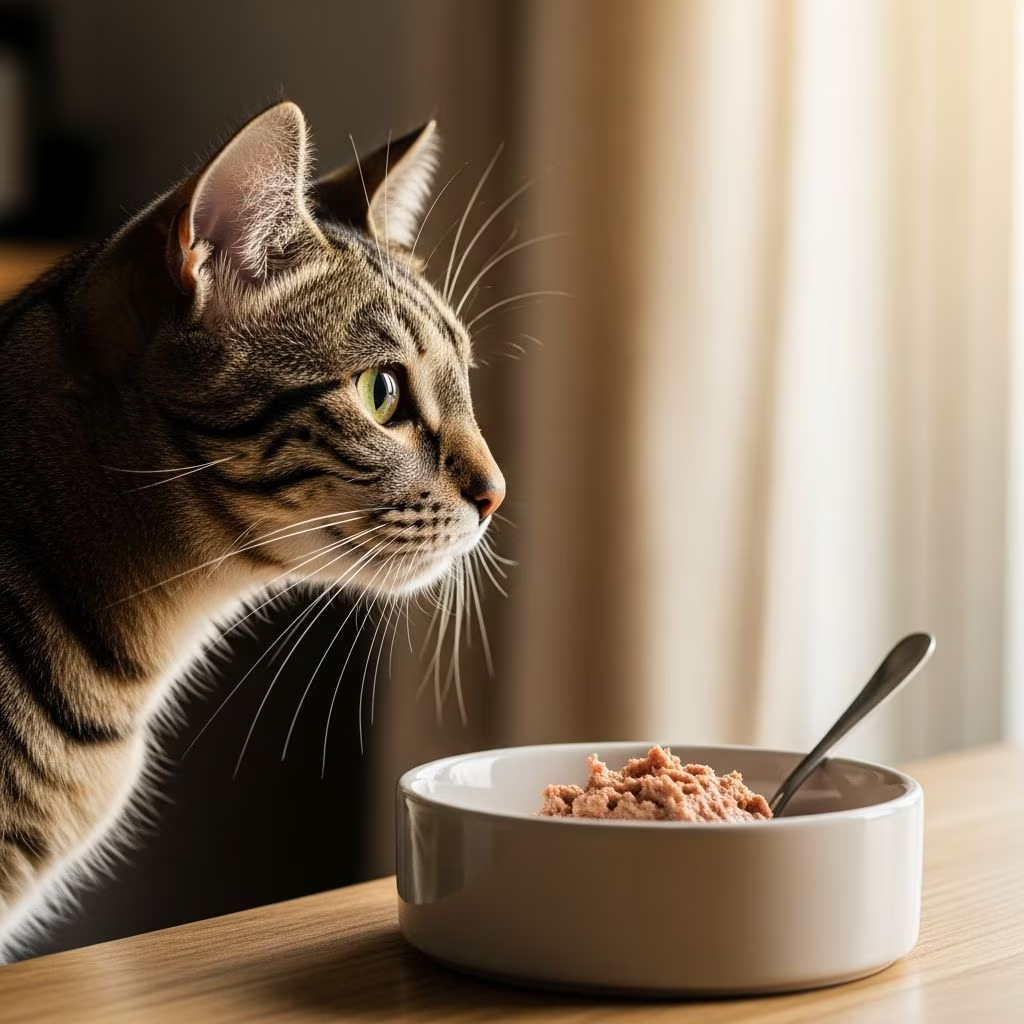
Your cat turning up their nose at dry kibble but devouring wet food cans is a common frustration for many pet parents. This selective eating habit can stem from various reasons, ranging from **health concerns** to **natural instincts** and simple **pickiness**. Understanding the underlying causes helps you address it effectively, ensuring your feline gets balanced nutrition.
In this comprehensive guide, we’ll explore the top reasons why cats prefer wet food exclusively, backed by insights from veterinary experts. We’ll also provide actionable steps to encourage your cat to eat a varied diet, preventing nutritional gaps and promoting long-term health.
Texture Preference: Why Cats Love the Softness of Wet Food
Cats are texture connoisseurs, often gravitating toward the smooth, moist consistency of wet food over crunchy kibble. Wet food’s soft pâté, chunks in gravy, or jelly mimics the easy-to-lap texture they crave, making it effortless to eat without much chewing.
Many cats find dry food’s hardness unappealing, especially if they’ve grown accustomed to wet varieties. This preference can develop early in life or after trying wet food once. According to pet nutrition insights, felines instinctively favor softer foods that require minimal effort.
- Mash dry kibble: Soak kibble in warm water or broth for 10-15 minutes to soften it, transitioning texture gradually.
- Try pâté styles: Switch to smoother wet food varieties if chunks are ignored, but mix in dry gradually.
- Introduce toppers: Add a dab of wet food on kibble to entice eating the full meal.
Over time, these tweaks can broaden your cat’s palate without force-feeding.
Dental Issues or Oral Pain Preventing Dry Food Consumption
If your cat suddenly shuns dry food but eagerly laps up wet varieties, **dental problems** could be the culprit. Conditions like tooth decay, gum disease, broken teeth, or mouth ulcers make crunching kibble painful, leading cats to avoid it entirely.
Veterinarians note that oral discomfort often manifests as selective eating, where soft wet food becomes the only tolerable option. Early signs include drooling, bad breath, or pawing at the mouth. A sudden shift from mixed to wet-only diet warrants a vet check.
Immediate actions:
- Schedule a dental exam: Vets can perform cleanings under anesthesia if needed.
- Offer softened kibble temporarily: This maintains nutrition while addressing pain.
- Monitor for symptoms: Lethargy or weight loss alongside pickiness signals urgency.
Regular dental care, like brushing with cat-safe toothpaste or dental treats, prevents recurrence.
Health Conditions Impacting Appetite for Dry Food
Beyond dental woes, underlying **medical issues** can make cats prefer wet food. Chronic kidney disease, hyperthyroidism, gastrointestinal upset, or even stress-related anorexia reduce appetite for hard kibble. Wet food’s stronger aroma and higher moisture appeal more during illness.
PetMD highlights that cats with health problems often eat less overall, gravitating to palatable wet options. If refusal persists over 24-48 hours, or accompanies vomiting/diarrhea, seek veterinary care promptly to rule out serious conditions.
| Symptom | Possible Cause | Action |
|---|---|---|
| Weight loss | Kidney disease | Blood tests |
| Increased thirst | Diabetes | Urine analysis |
| Lethargy | Hyperthyroidism | Thyroid check |
Early intervention ensures recovery and dietary normalcy.
Hydration Instincts: Wet Food as a Water Source
Cats evolved as desert dwellers with low thirst drives, deriving most hydration from prey. Wet food, containing **70-80% moisture**, satisfies this instinct far better than dry kibble’s 10%. Your cat may exclusively seek wet food to meet fluid needs, especially if water bowls are ignored.
Hill’s Pet explains that a 10-pound cat requires about 1 cup of water daily; 8 ounces of wet food provides nearly half. This explains reduced drinking when on wet diets, but exclusive preference signals potential dehydration risks if wet-only.
- Boost water intake: Use fountains, multiple bowls, or flavor water with tuna juice.
- Litter monitoring: Larger, more frequent urine clumps indicate good hydration.
- Dehydration signs: Tacky gums, skin tenting—vet visit essential.
Picky Eating Habits and Food Aversions
Cats are notoriously **fussy eaters**, developing strong flavor/texture loyalties. If introduced to wet food young or after a bad dry food experience, they may reject kibble outright. Spoiled food (left out too long) worsens this, as wet food dries and smells off quickly.
Cats Protection notes pickiness amplifies with age or routine changes. Combat it by:
- Rotating flavors/brands weekly.
- Feeding smaller, frequent meals.
- Avoiding free-feeding to build hunger.
Age-Related Changes in Eating Preferences
Kittens often love both wet and dry, but **senior cats** (over 7 years) may prefer wet due to weakened teeth, reduced sense of smell, or arthritis making kibble access harder. Puppies aren’t relevant here, but aging felines need softer options.
Adapt by offering senior-formulated wet foods rich in joint support and easy digestion. Gradually mix with softened dry for balance.
Nutritional Concerns of an All-Wet Food Diet
While wet food excels in hydration and palatability, exclusive reliance risks **nutritional imbalances**. It often costs more, spoils faster, and may lack dry food’s dental benefits (tartar control). Long-term wet-only can lead to obesity if calorie-dense or deficiencies if low-quality.
A balanced approach—70% wet, 30% dry—optimizes health. Consult vets for tailored ratios based on weight/activity.
Tips to Transition Your Cat to Eating Dry Food
Patience is key for transitions:
- Gradual mixing: Start with 75% wet + 25% dry, increase dry over 1-2 weeks.
- Warm it up: Enhances aroma, mimicking fresh prey.
- Interactive feeders: Puzzle toys make dry fun.
- Vet supplements: Appetite stimulants if needed.
Track weight weekly; adjust if refusal causes loss.
Understanding Wet vs. Dry Cat Food: Pros and Cons
| Aspect | Wet Food | Dry Food |
|---|---|---|
| Moisture | 70-80% | 6-10% |
| Calories | Higher density | Lower, bulkier |
| Dental Health | Limited | Abrasive benefit |
| Cost | Higher | Lower |
| Storage | Refrigerate leftovers | Shelf-stable |
Mixed feeding leverages both strengths.
Frequently Asked Questions (FAQs)
Is it okay if my cat only eats wet food?
Short-term yes, but long-term risks deficiencies. Aim for variety; vet consultation advised for exclusives.
Why did my cat stop eating dry food suddenly?
Likely dental pain or illness. Check mouth, monitor, and vet if persists.
How can I get my cat to eat dry food again?
Soak kibble, mix gradually, use toppers. Consistency over weeks works.
Does wet food hydrate cats enough?
Often yes, providing 70-80% water, but always offer fresh water.
What if my cat ignores wet food chunks too?
Texture issue or health; try pâté or mash. Vet for dental check.
This FAQ section addresses common owner concerns for quick reference.
References
- Why does my cat only eat the jelly off their food? — Cats Protection. 2023. https://www.cats.org.uk/cats-blog/why-does-my-cat-only-eat-jelly-off-their-food
- Your Cat Doesn’t Drink Water but Eats Wet Food: Is It Enough? — Hill’s Pet Nutrition. 2024. https://www.hillspet.com/cat-care/nutrition-feeding/cat-doesnt-drink-water-but-eats-wet-food
- Why Has My Pet Stopped Eating Dry Food But Still Loves Wet? — Our Pets Health. 2023. https://ourpetshealth.com/info/eating-wet-not-dry-food
- My Cat Only Eats A Little at A Time – Why and What to Do — WOpet. 2024. https://wopet.com/cats/my-cat-only-eats-a-little-at-a-time/
- 6 Reasons Why Your Cat Is Not Eating and What To Do — PetMD. 2025-01-10. https://www.petmd.com/cat/nutrition/cat-not-eating-what-to-do



