

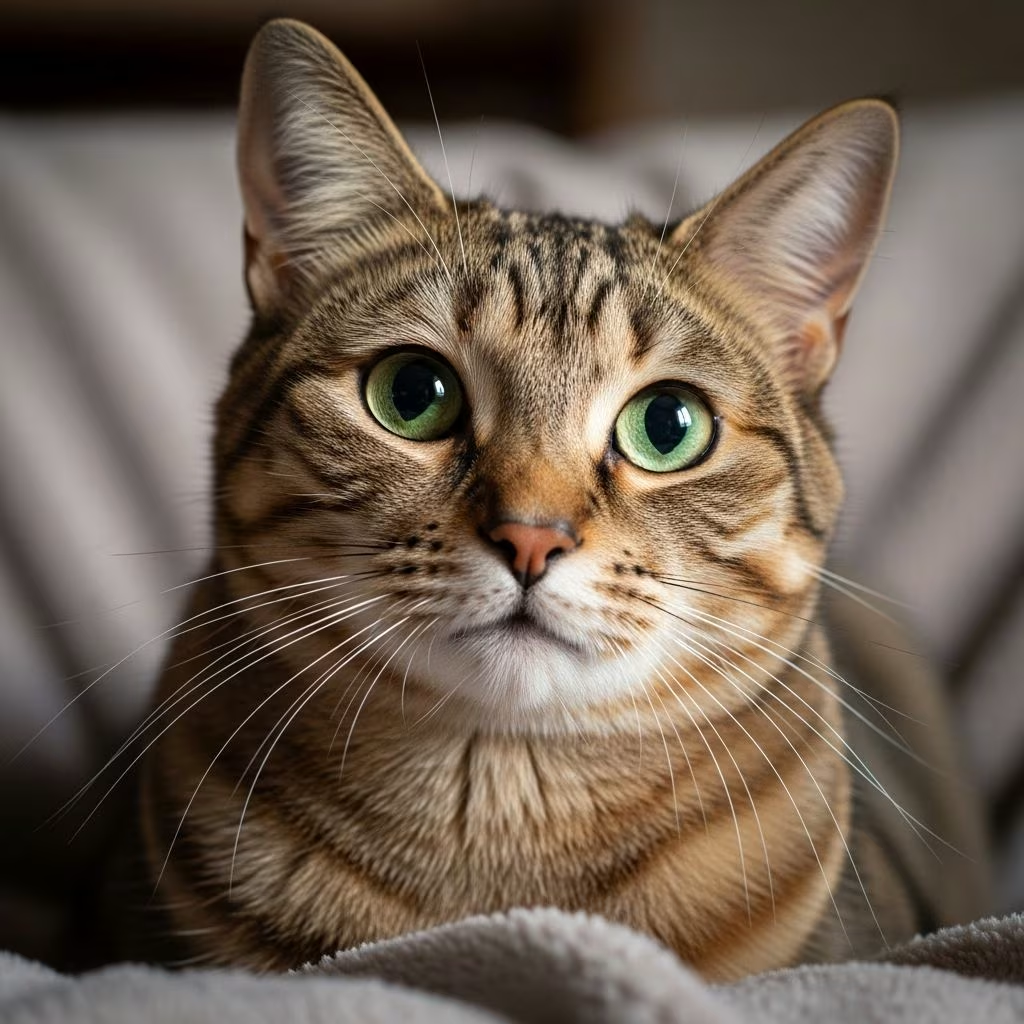
Cats are renowned for their soothing purrs, a sound that typically signals contentment, bonding, or even self-healing. However, if your cat has stopped purring entirely or purrs less frequently, it can be concerning for pet owners. Purring is produced by rapid contractions of the laryngeal muscles at frequencies between 25 and 150 Hertz, aiding in relaxation and potentially healing bones and tissues. A sudden absence of this behavior may indicate underlying health issues, stress, or environmental changes. This article explores the common reasons why cats stop purring, drawing from veterinary insights and scientific studies.
What Does It Mean When a Cat Doesn’t Purr?
Normally, cats purr during positive interactions like petting, eating, or nursing kittens, but also when stressed or injured as a self-soothing mechanism. The absence of purring doesn’t always mean distress; some cats are naturally quieter. However, a change from a previously purring cat warrants attention. Research shows purring involves a neural oscillator in the brain signaling laryngeal muscles to vibrate the glottis, producing the characteristic hum. If this mechanism is disrupted, purring ceases.
Key indicators include:
- Sudden silence during usual purring times, like lap time or meals.
- Accompanied by lethargy, appetite loss, or hiding.
- Changes in vocalization, such as hoarse meows or excessive meowing without purrs.
Medical Reasons Why Your Cat Stopped Purring
Several health conditions can impair a cat’s ability to purr by affecting the larynx, respiratory system, or overall comfort. Veterinary sources highlight these as primary culprits.
Respiratory Infections and Upper Airway Issues
Upper respiratory infections (URIs), common in cats, cause inflammation in the throat and larynx, making purring painful or impossible. Symptoms include sneezing, nasal discharge, coughing, and labored breathing. Conditions like laryngitis or epiglottis inflammation directly impact the voice box, altering or silencing the purr.
- Viral causes: Feline herpesvirus or calicivirus lead to chronic issues in some cats.
- Bacterial involvement: Secondary infections exacerbate swelling.
Treatment often involves antibiotics, antivirals, and supportive care like hydration.
Laryngeal Paralysis or Damage
Laryngeal paralysis prevents the vocal cords from functioning properly, halting purring entirely. Studies confirm cats with this condition do not purr, as the intrinsic laryngeal muscles fail to oscillate. This can result from trauma, tumors, or nerve damage. Recent research challenges older theories, showing purring may involve fatty pads in vocal cords allowing low-frequency vibrations without constant muscle contraction.
Pain and Chronic Illness
Cats in pain from arthritis, dental disease, or internal issues like kidney failure may stop purring to avoid discomfort. While they might purr to self-soothe during pain, severe cases suppress it. Hyperthyroidism or cancer in the throat can change purr quality or eliminate it.
| Condition | Symptoms | Impact on Purring |
|---|---|---|
| Respiratory Infection | Sneezing, discharge, cough | Painful inflammation silences purr |
| Laryngeal Paralysis | Hoarse voice, breathing issues | No vocal cord vibration possible |
| Chronic Pain | Limping, reduced appetite | Avoids actions causing discomfort |
| Hyperthyroidism | Weight loss, hyperactivity | Alters voice and purr frequency |
Dental and Oral Problems
Severe tooth resorption, gingivitis, or oral tumors make mouth movements painful, indirectly affecting purring since it involves the larynx near the oral cavity. Cats may drool or paw at their mouth alongside silence.
Age-Related Reasons Cats Stop Purring
Kittens purr from birth to communicate with mothers, but as cats age, physiological changes occur. Senior cats (over 10 years) may purr less due to weakened laryngeal muscles, arthritis, or cognitive decline. Hearing loss, common in older felines, doesn’t directly stop purring but reduces triggers like responding to owner voices.
- Muscle atrophy: Reduced strength in voice box muscles.
- Neurological changes: Impaired neural signals from the brain’s oscillator.
- Comorbidities: Hyperthyroidism or kidney disease prevalent in seniors.
Monitor elders closely; subtle declines signal bigger issues.
Stress and Environmental Factors
Not all purring cessation is medical. Cats purr to self-soothe during anxiety, but extreme stress can suppress it. Changes like new pets, moves, or loud noises overwhelm them, leading to silence or hiding.
Behavioral Suppression
Anxious cats may vocalize more (meowing) instead of purring. Veterinary visits or recovery from stress often feature purring as coping, but persistent fear halts it.
- New household members or rearrangements.
- Lack of safe spaces or routine disruptions.
Breed and Personality Differences
Some breeds like Siamese or Orientals are vocal but purr less audibly due to conformation. Shy or independent cats purr softly or infrequently, mistaking them for non-purrers. Observe consistency; changes matter more than rarity.
When to See a Vet if Your Cat Isn’t Purring
Consult a vet if purring stops alongside:
- Lethargy, weight loss, or appetite changes.
- Respiratory distress or voice alterations.
- Behavioral shifts like aggression or hiding.
Diagnosis may include exams, bloodwork, imaging, or laryngoscopy. Early intervention prevents complications.
How to Encourage Your Cat to Purr Again
While awaiting vet advice:
- Provide quiet, safe spaces with familiar scents.
- Offer favorite foods and gentle play.
- Use pheromone diffusers for stress relief.
- Avoid forcing interactions; let them initiate.
For health issues, follow treatments like antibiotics for infections or pain meds for arthritis.
Frequently Asked Questions (FAQs)
Is it bad if my cat doesn’t purr?
Not always; some cats rarely purr. But a change from normal behavior signals potential issues like pain or illness.
Can stress stop a cat from purring?
Yes, severe anxiety suppresses purring as cats withdraw rather than self-soothe.
Do all cats purr the same way?
No, frequencies vary (25-150 Hz), and volume differs by breed and personality.
What if my kitten isn’t purring?
Rare, but check for respiratory issues or weakness; newborns should purr while nursing.
Can older cats regain purring?
Often yes, with treatment of underlying conditions like infections or pain.
Understanding the Science of Purring
Recent studies reveal purring stems from vocal cord pads enabling low-frequency vibrations, possibly without ongoing brain input post-initiation. This healing frequency (25-150 Hz) promotes bone repair and pain relief, explaining self-purring in distress. Absence disrupts this natural therapy.
In summary, a non-purring cat merits observation and potential vet care. Most causes are treatable, restoring that beloved rumble.
References
- Decoding the Cat’s Purr — Heineke Veterinary Hospital. Accessed 2026. https://heinekevet.com/decoding-the-cats-purr/
- Why and how do cats purr? — Library of Congress. Accessed 2026. https://www.loc.gov/everyday-mysteries/zoology/item/why-and-how-do-cats-purr/
- Why Do Cats Purr | The Science Behind A Normal Feline Behavior — The Veterinary Medicine Foundation. Accessed 2026. https://www.tvmf.org/articles/why-do-cats-purr/
- Why Do Cats Purr? 5 Reasons Behind the Secret Feline Language — American Animal Hospital Association (AAHA). Accessed 2026. https://www.aaha.org/resources/the-secret-feline-language-5-reasons-why-your-cat-purrs/
- Why Do Cats Purr? 5 Meanings Behind a Purring Cat — PetMD. Accessed 2026. https://www.petmd.com/cat/behavior/why-do-cats-purr
- How do cats purr? New finding challenges long-held assumptions — Science.org (Current Biology study). 2019-11-21. https://www.science.org/content/article/how-do-cats-purr-new-finding-challenges-long-held-assumptions



