

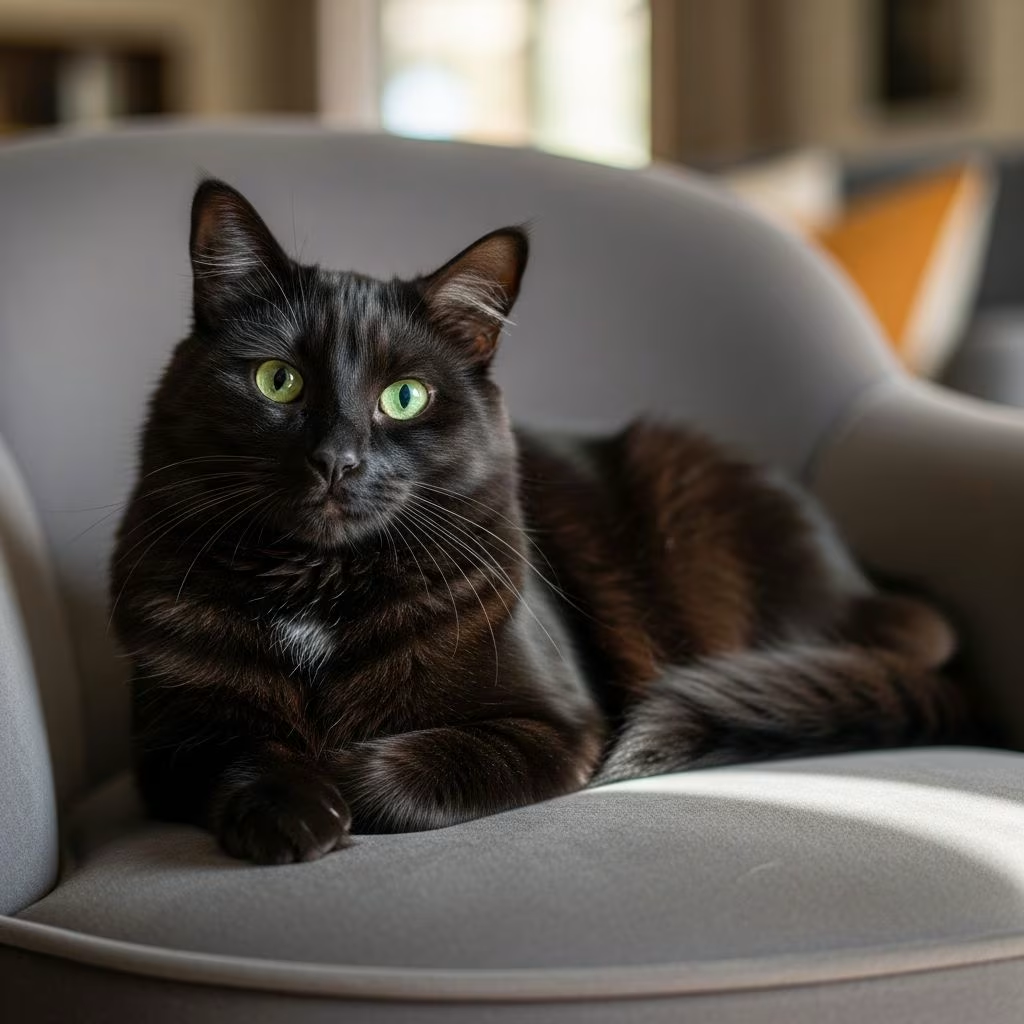
Your once-chatty cat has gone suspiciously quiet. While some felines are naturally reserved, a sudden silence can signal underlying issues ranging from stress to serious medical conditions. Understanding the reasons helps you decide if it’s normal behavior or time for veterinary intervention.
Some Cats Are Naturally Quiet
Not all cats are vocal communicators. Many prefer subtle cues like purring, chirping, or body language over loud meows. This trait often stems from personality or breed predisposition.
- Breeds like **Scottish Fold**, **Russian Blue**, and **British Shorthair** are known for their reserved nature and minimal vocalization.
- Individual temperament plays a role; even in talkative breeds, some cats remain silent observers.
- These quiet kitties still engage through other means, ensuring they aren’t withdrawn but simply low-key.
If your cat has always been this way, it’s likely normal. Observe for consistency in eating, playing, and grooming to confirm.
When to Worry About a Quiet Cat
A change from vocal to silent warrants attention. Previously talkative cats stopping meows may indicate health or environmental shifts. Key red flags include:
- Lethargy, appetite loss, or hiding.
- Recent environmental changes like new pets or moves.
- Accompanying symptoms such as sneezing or weight loss.
Early vet consultation prevents escalation, as conditions like infections can worsen quickly.
Stress or Anxiety
**Stress** silences many cats, reducing their desire to communicate. Common triggers include:
- New household members: babies, pets, or guests disrupt territory.
- Moves or renovations altering safe spaces.
- Routine changes like shifted feeding times.
Anxious cats withdraw, meowing less to avoid attention. Signs include flattened ears, dilated pupils, or excessive grooming. Mitigate by providing hiding spots, pheromone diffusers, and consistent routines. If persists beyond two weeks, vet check rules out medical overlap.
Change in Environment or Routine
Cats thrive on predictability. Disruptions like travel, loud noises, or schedule shifts can hush vocalizations. For instance:
- Construction noise or visitors causing overstimulation.
- Indoor-only cats facing reduced outdoor views or playtime.
Track changes against silence onset. Restore normalcy with familiar toys and quiet zones. Enrichment like puzzle feeders rebuilds confidence and vocal interest.
Upper Respiratory Infection
**Upper respiratory infections (URIs)**, or ‘cat flu,’ inflame airways, rasping or eliminating meows. Caused by viruses like feline herpesvirus or calicivirus, symptoms include:
- Sneezing, nasal discharge, watery eyes.
- Lethargy, fever, reduced appetite.
Common in multi-cat homes or shelters, mild cases resolve in 7-10 days, but severe ones need antibiotics or antivirals. Isolate infected cats and vaccinate preventively. Persistent hoarseness post-recovery signals complications.
Laryngeal Problems
The **larynx (voice box)** controls meows. Issues like **laryngitis** cause inflammation, leading to hoarse or silent vocalizations. Triggers:
- URI aftermath, irritants (smoke, dust), hairballs.
- Trauma from excessive meowing or foreign objects.
Symptoms: coughing, gagging, drooling. Rest voice, humidify air, but paralysis or tumors require urgent care. Vets use endoscopy for diagnosis; treatments range from steroids to surgery.
Cancer
Though rare, **tumors** in the throat or nasal passages alter meows by obstructing vocal cords. **Lymphoma** or squamous cell carcinoma common in seniors. Signs:
- Progressive voice loss, breathing difficulty, facial swelling.
- Weight loss, oral ulcers despite appetite.
Biopsy confirms; radiation, chemo, or surgery options exist. Early detection via imaging improves prognosis. Unlikely in young cats but screen persistent cases.
Hyperthyroidism
**Hyperthyroidism** in older cats (>10 years) overproduces thyroid hormones, often hoarsening meows alongside:
- Weight loss, ravenous hunger, hyperactivity.
- Increased thirst, vomiting, poor coat.
Prevalent in 10% of seniors, blood tests diagnose. Treatments: medication (methimazole), radioactive iodine, or surgery restore voice and health. Monitor annually post-8 years.
Other Potential Causes
Beyond primaries, consider:
- Neurological issues: Nerve damage or Feline Cognitive Dysfunction in seniors disrupts signals.
- Hypothyroidism: Rare, causes lethargy and weak voice; hormone therapy fixes.
- Age-related decline: Hearing loss or arthritis reduces energy for meowing.
- Silent meows: High-frequency sounds inaudible to humans, normal communication.
| Cause | Common Symptoms | Age Group | Vet Action |
|---|---|---|---|
| URI | Sneezing, discharge | All ages | Supportive care, antibiotics |
| Laryngitis | Coughing, raspy voice | All ages | Rest, anti-inflammatories |
| Hyperthyroidism | Weight loss, thirst | Seniors | Blood test, medication |
| Cancer | Swelling, breathing issues | Seniors | Biopsy, oncology |
What Should You Do If Your Cat Stops Meowing?
Monitor 24-48 hours for self-resolving issues like mild stress. Escalate if:
- Symptoms persist >3 days or worsen.
- Accompanied by breathing distress, refusal to eat.
Prep for vet: note onset, changes, diet. Exam may include bloodwork, X-rays. Home tips:
- Enrich environment: scratching posts, window perches.
- Avoid irritants; use air purifiers.
- Consistent affection rebuilds trust.
Prevent with vaccines, senior checkups.
Frequently Asked Questions (FAQs)
Is it normal for some cats to never meow much?
Yes, quiet breeds like Russian Blue naturally vocalize less, using purrs or body language instead.
Can stress make a cat completely stop meowing?
Absolutely; new environments trigger withdrawal. Reduce stressors and observe improvement.
How do I know if my cat’s silence is from a URI?
Look for sneezing, runny nose, lethargy. Vet confirmation via swab if suspected.
Does hyperthyroidism affect young cats?
Rarely; it primarily hits seniors. Test thyroid if hoarseness with weight loss.
When is silent meowing an emergency?
If with breathing issues, swelling, or no eating/drinking—seek immediate care.
References
- Do You Have a Quiet Kitty? Why Some Cats Don’t Meow — Kinship. 2023. https://www.kinship.com/cat-behavior/why-does-my-cat-not-meow
- Why Won’t My Cat Stop Meowing? What You Need to Know — Southern Arizona Veterinary Specialty & Emergency. 2024. https://southernazvets.com/why-wont-my-cat-stop-meowing-what-you-need-to-know/
- Why Can’t My Cat Meow? 9 Vet-Verified Causes & When to Worry — Dan’s Pet Care. 2024. https://danspetcare.com/pets/63mphngctyxnab8b4bshhhja4y4clb
- Whiskers & Whispers: Why Your Cat Has A Silent Meow — Rover.com. 2023. https://www.rover.com/blog/cat-silent-meow/



