

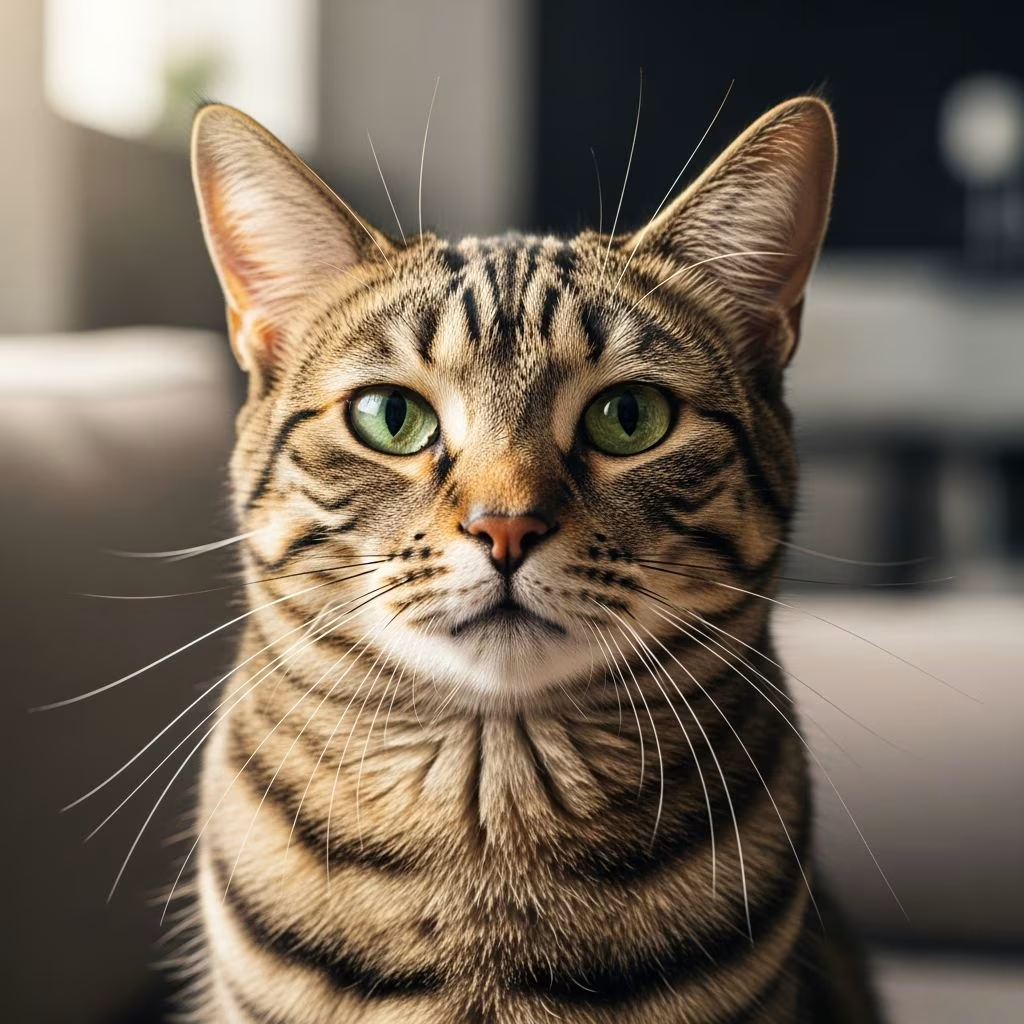
Many cat owners notice their feline companions are unusually quiet, wondering why their cat has stopped meowing. While some cats are naturally less vocal, a sudden silence in a previously chatty pet can signal underlying issues ranging from stress to serious medical conditions. Understanding these reasons helps ensure your cat’s well-being.
Cats meow primarily to communicate with humans, not other cats. In the wild, adult cats rarely meow, reserving it for kittens seeking maternal attention. Domestic cats retain this behavior to interact with their owners, but variations exist based on personality, breed, and health.
Do You Have a Quiet Kitty? Why Some Cats Don’t Meow
Some cats are inherently quiet, meowing infrequently or softly. This trait stems from their personality or breed predispositions. For instance, breeds like the Scottish Fold, Russian Blue, and British Shorthair are known for reticence, preferring body language, purring, or chirps over loud meows.
“If they were not getting a response that they wanted, they might try something else instead,” notes expert Van de Kieft. A cat hungry for attention might switch to scratching furniture if meowing fails. Observing your cat’s baseline behavior is key: naturally quiet cats don’t raise alarms, but changes do.
- Natural quietness: Innate personality makes some cats observers rather than talkers.
- Breed influence: Less vocal breeds communicate subtly.
- Learned behavior: Unrewarded meows lead to alternative signals.
Reasons Why Your Cat Has Stopped Meowing
Cats stop meowing for behavioral, environmental, or medical reasons. A sudden halt in a vocal cat warrants attention, as it may indicate stress or illness.
Stress or Anxiety
Stress or anxiety often silences cats. New pets, babies, moves, or household changes disrupt comfort, reducing communication interest. Stressed cats withdraw, hiding or avoiding interaction.
Signs include appetite changes, excessive grooming, or aggression. Mitigate with stable routines, hiding spots, and pheromone diffusers. The American Animal Hospital Association (AAHA) emphasizes environmental enrichment to combat stress.
Change in Environment or Routine
Any routine shift—like new schedules or rearranged furniture—can quiet a cat. They thrive on predictability; disruptions cause withdrawal. Monitor recent changes: a new vacuum or rearranged litter box might correlate with silence.
Restore normalcy gradually. Provide vertical spaces and toys, as recommended by Ohio State University’s Indoor Pet Initiative for enrichment.
Upper Respiratory Infection
Upper respiratory infections (URIs), or “cat flu,” inflame airways, rasping or eliminating meows. Symptoms: sneezing, nasal discharge, lethargy.
Viral culprits like feline herpesvirus or calicivirus spread in multi-cat homes. Mild cases resolve, but severe ones need vet care: antibiotics, fluids, antivirals. Early isolation prevents spread.
Laryngeal Problems
The larynx (voice box) issues affect meowing. Laryngitis from infections, irritants, or overuse causes hoarseness or silence. Coughing, drooling, gagging accompany it.
Serious cases involve paralysis or tumors damaging the larynx permanently. Seek immediate vet attention for breathing difficulties or persistent raspiness.
Cancer
Though rare, throat or upper respiratory tumors alter vocalizations by obstructing or pressing vocal cords. Symptoms: weight loss, coughing, breathing issues.
Diagnosis via imaging; treatment varies from surgery to chemotherapy. Early detection improves outcomes.
Hyperthyroidism
In older cats, hyperthyroidism hoarsens voices alongside weight loss, hyperactivity. Overactive thyroids accelerate metabolism.
AAHA’s Feline Hyperthyroidism Guidelines detail diagnosis via blood tests and treatments like medication or surgery. Paradoxically, it can increase vocalization in some cats.
Other Potential Causes
Beyond primary reasons, consider these:
- Vocal cord strain: From excessive meowing or irritants like smoke.
- Foreign objects: Lodged items cause throat pain.
- Neurological issues: Nerve damage disrupts vocal control; watch for seizures or imbalance.
- Age-related changes: Seniors quiet due to cognitive decline or hearing loss.
- Hormonal imbalances: Rare hypothyroidism weakens voice.
| Cause | Symptoms | Action |
|---|---|---|
| Stress/Anxiety | Hiding, appetite loss | Enrich environment, vet check |
| URI | Sneezing, discharge | Isolate, antibiotics if needed |
| Laryngitis | Raspy voice, coughing | Rest voice, humidify air |
| Hyperthyroidism | Weight loss, thirst | Blood test, medication |
Bottom Line
Quiet cats may simply be low-vocal personalities or breeds. However, sudden silence in talkative cats signals potential stress, environmental shifts, or health problems like URIs, laryngeal issues, cancer, or hyperthyroidism. Track changes and consult a vet promptly.
Regular check-ups catch issues early. Monitor for correlated symptoms and note your cat’s history for the vet.
Frequently Asked Questions (FAQs)
Is it normal for some cats not to meow much?
Yes, many cats are naturally quiet, especially breeds like Russian Blue. They use other cues like purring.
When should I worry if my cat stops meowing?
Worry if previously vocal and shows lethargy, discharge, or weight loss. See a vet.
Can stress make my cat silent?
Absolutely. Changes like new pets cause withdrawal. Reduce stressors.
Do upper respiratory infections affect meowing?
Yes, inflammation rasps or silences meows, with sneezing.
Is hyperthyroidism common in quiet senior cats?
It can hoarsen voices but often increases talkativeness. Test thyroid.
What if my cat tries to meow but no sound comes out?
Likely laryngitis or obstruction. Vet exam needed.
This guide empowers owners to discern normal quietness from concerns. Prioritize your cat’s health with observation and professional care.
References
- Do You Have a Quiet Kitty? Why Some Cats Don’t Meow — Kinship. 2023. https://www.kinship.com/cat-behavior/why-does-my-cat-not-meow
- Feline Hyperthyroidism Guidelines — American Animal Hospital Association (AAHA). 2024-06-01. https://www.aaha.org/resources/2023-aaha-selected-endocrine-disorders-of-dogs-and-cats-guidelines/hyperthyroidism/
- Why Can’t My Cat Meow? 9 Vet-Verified Causes & When to Worry — Dan’s Pet Care. 2024. https://danspetcare.com/pets/63mphngctyxnab8b4bshhhja4y4clb
- Signs of Cognitive Decline in Older Pets — Colorado State University. 2023-11-15. https://vetmedbiosci.colostate.edu/vth/services/small-animal/internal-medicine/cognitive-dysfunction/
- Indoor Pet Initiative – Cat Environment — Ohio State University. 2024. https://indoorpet.osu.edu/cats/



