

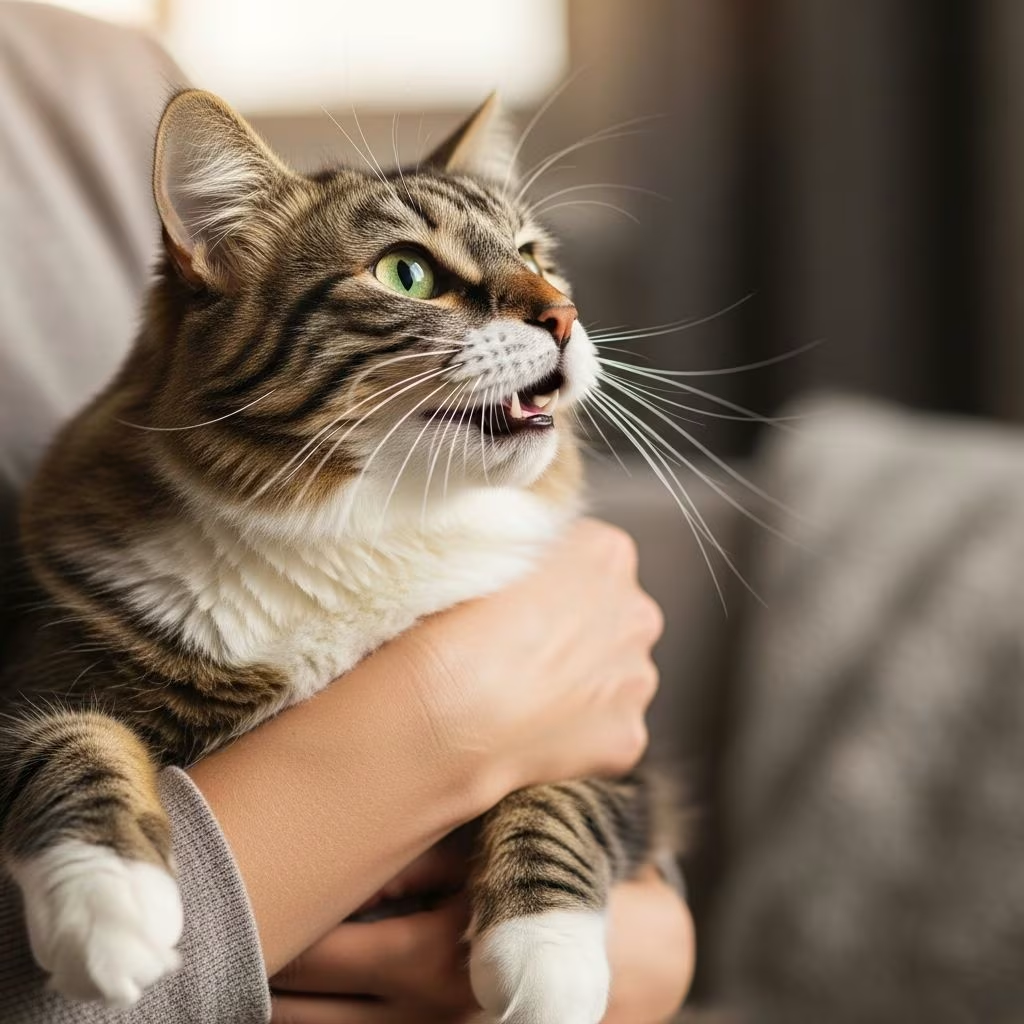
Cats communicate through a variety of vocalizations, and meowing when picked up is common. This behavior can signal discomfort, pain, excitement, or a simple greeting, depending on tone and context. Understanding these meows helps strengthen your bond and ensures your cat’s well-being.
Understanding Cat Communication
Cats primarily meow to interact with humans, not other cats. Kittens meow to their mothers for needs like food or warmth, and adults adapt this for owners. When picked up, a meow might mimic these early communications, expressing a range of emotions from pleasure to protest.
- Greeting meow: Short, high-pitched sound indicating happiness upon seeing you.
- Protest meow: Louder or drawn-out, signaling dislike of the handling.
- Pain-related meow: Yowling or whining, often mixed with hissing, due to injury or illness.
Context matters: Observe body language like tail flicking (annoyance) or purring (contentment) alongside the vocalization.
Reasons Your Cat Meows When Picked Up
Several factors explain this behavior. Not all meows indicate problems; many are benign communications.
1. Discomfort or Improper Handling
Many cats dislike being picked up if done incorrectly. Supporting only the chest or belly can strain their spine, as cats prefer all four paws off the ground with hindquarters secured. Sudden lifts or scruffing adults mimics kitten handling, causing stress.
- Common mistakes: Lifting under armpits without belly support.
- Solution: Scoop with one hand under chest, other under hindquarters; let paws dangle gently.
Breeds like Maine Coons may tolerate less due to size, while Siamese vocalize more naturally.
2. Pain or Injury
A pained meow, described as yowling or caterwauling, suggests underlying issues. Cats hide pain evolutionarily to avoid predators, so vocalization is a late sign.
| Possible Cause | Symptoms | Action |
|---|---|---|
| Injury (fracture, sprain) | Limping, swelling, reluctance to jump | Vet exam, X-rays |
| Infection (UTI, abscess) | Fever, pus, litter box avoidance | Urine/stool tests, antibiotics |
| Arthritis | Stiffness in seniors (>7 years), reduced mobility | Pain meds, joint supplements |
Indoor fights or falls cause injuries; outdoor cats risk more.
3. Seeking Attention or Greeting
Some cats meow happily when picked up as a hello or affection request. Social breeds vocalize more.
- High-pitched trill: Excitement or play solicitation.
- Repeated soft meows: “Pet me more!”
Ignore attention-seeking if not needy, but check basics first: food, water, litter.
4. Hunger, Thirst, or Basic Needs
Cats meow for meals or access. Picking up might coincide with routine, prompting reminders. Ensure bowls are full; scheduled feeding reduces this.
5. Stress, Anxiety, or Heat
New environments, visitors, or hormonal cycles increase vocalization. Females in heat yowl loudly. Neutering/spaying helps.
- Stress signs: Hiding, overgrooming, litter issues.
6. Medical Conditions
Beyond pain: Hyperthyroidism, dental issues, or cognitive dysfunction in seniors cause excess meowing. Deafness leads to louder calls.
How to Properly Pick Up a Cat
Master gentle techniques to minimize meows of protest.
- Approach calmly from the side, not above.
- Place one hand under chest, fingers between front legs.
- Support hind end firmly with other hand.
- Lift smoothly; keep close to body.
- Set down paws-first.
Practice short sessions; reward with treats. Some cats never enjoy it—respect boundaries.
Signs Your Cat is in Pain
Pain meows sound like whines or yowls. Accompanying signs demand vet attention.
- Lethargy or hiding.
- Loss of appetite/thirst.
- Vomiting, diarrhea, or litter avoidance.
- Aggression (hissing, swatting).
- Excessive grooming or neglect.
- Decreased activity/sleep changes.
Note patterns: Does it happen every lift or specific areas?
When to See a Vet
Immediate visit if: sudden behavior change, especially in pain-free cats before; with symptoms above; or senior cats.
- Prepare: Note meow timing, symptoms, diet.
- Tests: Physical exam, bloodwork, imaging.
Early intervention prevents worsening.
Training Your Cat to Enjoy Being Picked Up
Positive reinforcement works.
- Start with willing cats; use treats/praise.
- Gradual exposure: Touch, lift slightly, full hold.
- Short, fun sessions daily.
- Avoid force; some prefer lap sits.
Patience builds trust over weeks.
Frequently Asked Questions (FAQs)
Why does my cat meow loudly only sometimes when picked up?
This could indicate intermittent pain, like arthritis flare-ups, or context like hunger. Monitor for patterns.
Is it normal for kittens to meow when picked up?
Yes, often for attention or adjustment. Teach proper handling early.
What if my cat hisses and meows when lifted?
Signs of fear/pain; check technique and health. Give space if stressed.
Do all cats hate being picked up?
No, many love it with right method. Breed and personality vary.
Can medication stop pain meows?
Vet-prescribed pain relief helps underlying issues like infections or arthritis.
Conclusion
Meowing when picked up ranges from harmless chatter to health alerts. Proper handling, observation, and vet checks ensure cuddles remain enjoyable. Bond through respect and care.
(Word count: 1678)
References
- Cat Meows In Pain When Picked Up: What Does This Mean? — UsedVetEquipment.com. 2023-05-15. https://www.usedvetequipment.com/blog/cat-meows-in-pain-when-picked-up-what-does-this-mean
- Meowing and Yowling — ASPCA. 2024-02-10. https://www.aspca.org/pet-care/cat-care/common-cat-behavior-issues/meowing-and-yowling
- Excessive Meowing In Cats Explained (Causes And Solutions) — Cats.com. 2024-08-22. https://cats.com/cat-excessive-meowing
- 9 Cat Noises and What They Mean — PetMD. 2025-01-05. https://www.petmd.com/cat/general-health/cat-noises



