

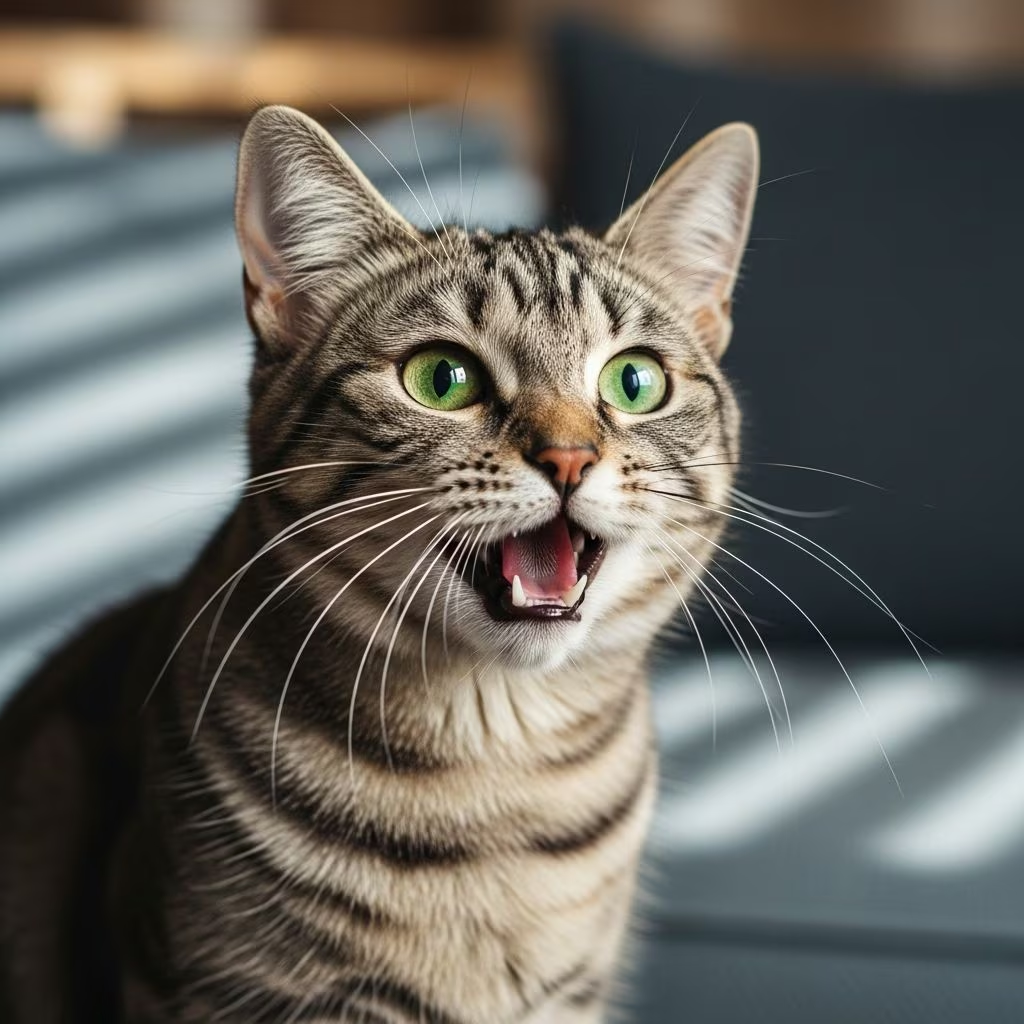
Cats communicate through a variety of vocalizations, but excessive meowing often stands out as a persistent concern for pet owners. While a chatty cat can be endearing, constant meowing might indicate underlying issues ranging from basic needs to serious health problems. Understanding the reasons behind your cat’s vocal behavior is key to ensuring their well-being and restoring household peace.
Domestic cats primarily meow at humans rather than other cats, a behavior retained from kittenhood to solicit attention from their ‘big cat’ caregivers. Adult cats in the wild rarely meow to each other, opting instead for hisses, growls, or yowls. If your cat’s meowing has escalated, consider factors like age, breed, environment, and health. This comprehensive guide covers common causes, diagnostic steps, practical solutions, and when to seek veterinary help.
Normal Cat Meowing vs. Excessive Vocalization
Not all meowing signals a problem. Cats meow for everyday reasons:
- Greetings: A soft ‘hello’ when you return home or pass by.
- Attention: Soliciting pets, play, or conversation.
- Requests: Food, water, or access to a room.
- Affection: Expressing love or wanting cuddles.
Excessive meowing, however, disrupts routines, occurs at odd hours (like night), or accompanies other symptoms like lethargy or appetite changes. Breeds like Siamese, Oriental Shorthairs, and Maine Coons are naturally more vocal due to genetics. Kittens and seniors meow more frequently, but sudden increases warrant attention.
Common Reasons for Excessive Meowing
Hunger or Feeding Schedule Issues
One of the simplest culprits is hunger. Cats with inconsistent feeding times or insufficient portions may meow insistently before meals. Some learn that vocalizing speeds up service, turning it into a habit.
- Check bowls: Ensure fresh food and water are available.
- Schedule feeds: Fixed times prevent anticipatory meowing.
- Portion control: Overweight cats meow less when on balanced diets.
Solution: Use timed feeders or puzzle toys to dispense meals, reducing boredom-driven demands.
Attention-Seeking and Boredom
Cats crave interaction. Lonely or understimulated felines meow to engage owners, especially if past vocalizations yielded results. Indoor cats without enrichment amplify this.
Tips to curb attention meowing:
- Increase playtime: 15-20 minutes twice daily with wand toys.
- Enrichment: Window perches, scratching posts, DIY toys.
- Ignore selectively: Don’t reinforce by responding immediately; reward quiet behavior.
Breeding-Related Vocalizations
Unspayed females in heat yowl loudly for 7-10 days monthly, while intact males respond to scents with urgent meowing. These calls are primal mating signals.
Spaying/neutering eliminates 90% of such behavior, prevents cancers, and reduces roaming. Consult your vet for timing, ideally before 5 months.
Medical Causes of Excessive Meowing
Health issues often underlie persistent vocalization. Cats hide pain, so meowing may be their distress signal.
Hyperthyroidism
Common in cats over 7, this overactive thyroid speeds metabolism, causing hyperactivity and night meowing. Symptoms include weight loss despite ravenous hunger, thirst, vomiting, and matted fur.
Diagnosis via blood tests; treatments: medication, diet, surgery, or radioiodine. AAHA guidelines recommend early screening for seniors.
Pain or Discomfort
Arthritis, dental disease, or injuries prompt cries, especially when moving. Urinary issues cause box-area meowing.
- Signs: Limping, appetite drop, hiding.
- Action: Vet exam with X-rays or urinalysis.
Kidney Disease and Hypertension
Chronic kidney disease leads to restlessness and vocalization from toxin buildup. Hypertension (often secondary to other ills) causes incessant meowing. Symptoms: increased thirst/urination, poor coat.
Cognitive Dysfunction Syndrome (CDS)
Like human dementia, CDS affects 80% of cats over 15, causing disorientation, night yowling, and litter accidents. Colorado State University notes sleep disturbances as key signs.
Management: Antioxidants, puzzle feeders, consistent routines.
Sensory Decline and Neurological Issues
Deaf or blind cats meow louder due to confusion. Rare brain tumors cause circling or head pressing.
Stress and Environmental Triggers
Cats thrive on routine; disruptions spike anxiety meowing.
| Trigger | Symptoms | Solutions |
|---|---|---|
| New home/baby/pet | Pacing, hiding, yowling | Slow intros, pheromone diffusers |
| Litter box issues | Box avoidance, cries | Clean daily, optimal location |
| Multi-pet tension | Territorial growls/meows | Separate resources, vertical space |
| Loud noises/visitors | Startle vocalizations | Quiet retreats, desensitization |
Use Feliway diffusers or the Indoor Pet Initiative for multi-cat harmony.
When to See a Vet
Schedule a checkup if meowing is:
- Sudden or worsening.
- Paired with weight loss, thirst, vomiting, or mobility issues.
- Nocturnal or unresponsive to basics.
Vets perform bloodwork, thyroid panels, and imaging. Early intervention improves outcomes.
Tips to Reduce Excessive Meowing
- Rule out medicals first: Vet visit essential.
- Enrich environment: Toys, perches, companions if suitable.
- Consistent routine: Feeds, play, bedtime.
- Training: Reward silence; use clickers.
- Spay/neuter: Halts heat cycles.
- Seniors: Night lights, elevated boxes.
Frequently Asked Questions (FAQs)
Why is my cat meowing at night?
Night meowing often ties to hunger, hyperthyroidism, CDS, or crepuscular instincts. Day enrichment and vet checks help.
Is excessive meowing a sign of pain?
Yes, especially with arthritis or UTIs. Look for posture changes; seek vet care.
Do certain breeds meow more?
Yes, Siamese and similar ‘Oriental’ breeds are vocal by nature.
Can stress cause constant meowing?
Absolutely—changes like moves trigger anxiety vocalizations. Pheromones soothe.
What if my cat’s meow sounds hoarse?
Possible URI, laryngitis, or tumors. Accompanied by sneezing? Vet ASAP.
By addressing the root cause—be it a full bowl, vet treatment, or calmer home—your cat’s meowing can return to charming chirps rather than endless serenades. Monitor changes and prioritize health for a happier feline friend.
References
- What’s Your Cat Trying to Tell You? Causes of Constant Meowing — Carolina Virginia Animal Hospital. 2023. https://carolinavirginiavet.com/whats-your-cat-trying-to-tell-you-causes-of-constant-meowing/
- Why Is My Cat Meowing So Much? Exploring Excessive Vocalization in Cats — Bayview Pets. 2024. https://bayviewpets.com/why-is-my-cat-meowing-so-much-exploring-excessive-vocalization-in-cats/
- Why is My Cat Meowing so Much? — West Loop Veterinary Care. 2023. https://westloopvet.com/blog/why-is-my-cat-meowing-so-much/
- What Does Excessive Meowing Mean in Cats — WebMD. 2024-01-15. https://www.webmd.com/pets/cats/cats-excessive-meowing
- Why Is My Cat Meowing So Much? — PetMD. 2024. https://www.petmd.com/cat/behavior/cat-meowing
- 6 Reasons Your Cat is Meowing Excessively — Lakeland Animal Clinic. 2023. https://lacvets.com/blog/cat-meowing-excessively/
- Meowing and Yowling — ASPCA. 2024. https://www.aspca.org/pet-care/cat-care/common-cat-behavior-issues/meowing-and-yowling



