

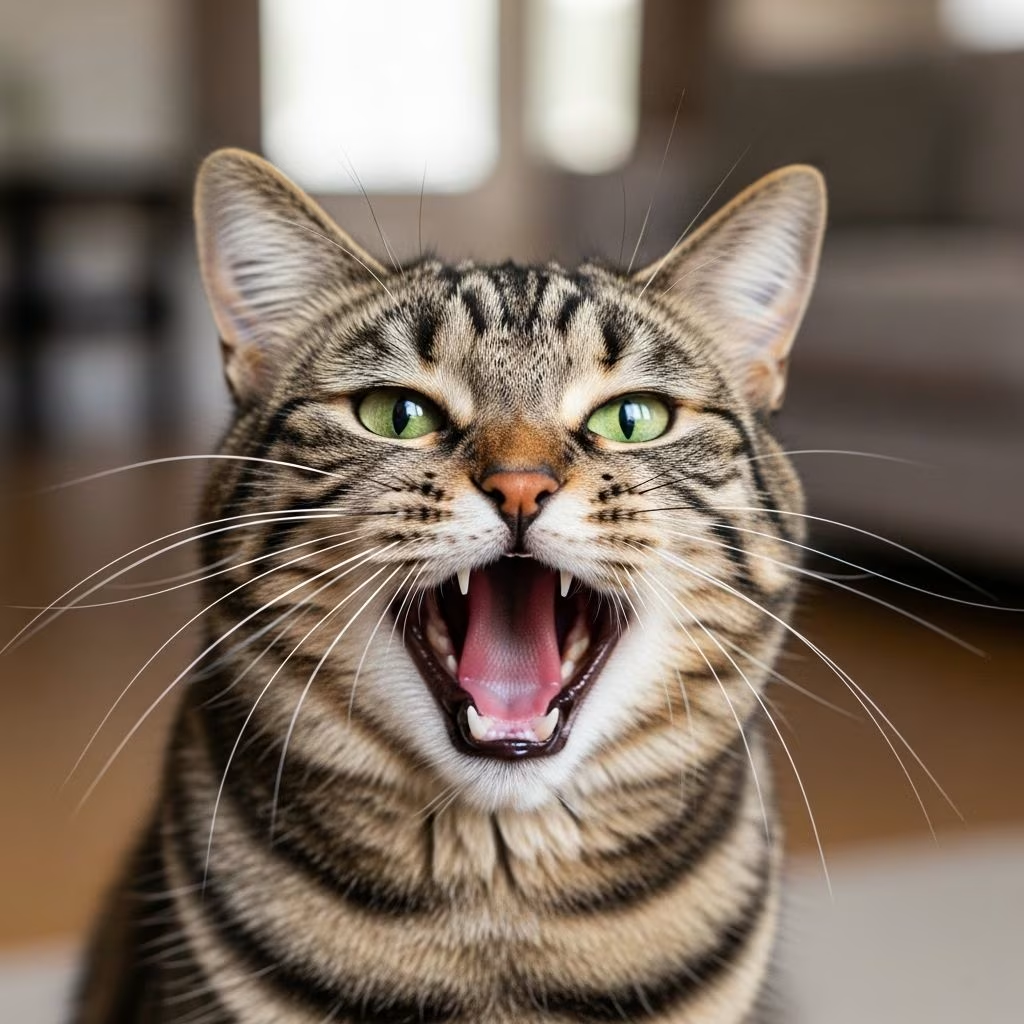
Cats communicate through a variety of vocalizations, but excessive meowing can be puzzling for owners. While kittens meow to their mothers for needs like food or warmth, adult cats primarily meow at humans to express hunger, seek attention, or signal discomfort. Understanding the root causes—ranging from benign habits to serious health issues—helps you respond appropriately and ensure your cat’s well-being.
Normal Cat Communication: Understanding Meows
Meowing is a cat’s primary way to “talk” to people, not other cats. Adult felines reserve meows for humans, using yowls, hisses, or growls among themselves. A greeting meow when you return home is normal, as is a demand for food or play. However, if meowing becomes constant, loud, or out of character, it warrants investigation.
Cats may also meow differently based on context: short meows for hellos, drawn-out ones for demands, or urgent cries for distress. Breed plays a role too—vocal breeds like Siamese are naturally chatty, meowing more than quieter types.
Common Reasons for Excessive Meowing
Excessive vocalization often stems from everyday needs or environmental factors. Here’s a breakdown:
- Hunger or Feeding Schedule Issues: Cats meow loudly if bowls are empty or routines change. Some “train” owners by meowing before meals.
- Attention-Seeking: Bored or lonely cats vocalize for interaction, especially if they learn it works.
- Litter Box Problems: Dirty boxes or urinary discomfort prompt meows near the box.
- Breeding Hormones: Unspayed females yowl in heat; intact males respond vocally to scents.
To address these, maintain consistent feeding, provide enrichment toys, clean litter daily, and ensure spaying/neutering.
Medical Causes of Excessive Meowing
Sudden or persistent meowing often signals health problems. Veterinary evaluation is crucial, especially with accompanying symptoms like weight loss or lethargy.
Hyperthyroidism
Common in cats over 7, this overactive thyroid speeds metabolism, causing increased vocalization, especially at night, alongside weight loss, hyperactivity, and thirst. Treatment involves medication, diet, or surgery per AAHA guidelines.
Kidney Disease and Hypertension
Chronic kidney issues lead to restlessness and vocalization, with increased thirst and urination. Hypertension, often secondary to other conditions, causes insistent meowing.
Cognitive Dysfunction (Cat Dementia)
Senior cats experience confusion akin to Alzheimer’s, leading to nighttime yowling, disorientation, and sleep changes. Management includes routine stability and vet-prescribed supplements.
Other Conditions
- Urinary Tract Infections: Painful urination prompts cries near the litter box.
- Sensory Loss: Deaf or blind cats meow louder due to disorientation.
- Neurological Issues or Tumors: Rare, but cause altered vocalization with circling or imbalance.
- Upper Respiratory Infections: Hoarse meows accompany sneezing and appetite loss.
A vet exam, including bloodwork, rules out these; early detection improves outcomes.
Stress and Environmental Triggers
Cats thrive on routine; disruptions cause anxiety-driven meowing.
| Trigger | Symptoms | Solutions |
|---|---|---|
| New Home/Pet/Baby | Increased vocalization, hiding | Slow introductions, safe spaces |
| Loud Noises/Visitors | Anxious meowing | Pheromone diffusers, quiet retreats |
| Litter Box Changes | Meowing near box | Clean daily, gradual transitions |
| Multi-Pet Conflicts | Territorial yowls | Separate resources, enrichment |
Nocturnal meowing ties to natural crepuscular activity; daytime play reduces it. Use calming aids like Feliway.
When to See a Vet
Consult a vet if meowing is:
- Sudden or escalating.
- Accompanied by appetite changes, thirst, vomiting, or litter issues.
- Hoarse or with neurological signs.
- In senior cats without clear cause.
Rule out medical issues first—behavioral fixes follow.
How to Reduce Excessive Meowing
Targeted strategies promote quiet:
- Enrichment: Puzzle feeders, scratching posts, window perches combat boredom.
- Consistent Routine: Fixed feeding/play/sleep schedules.
- Ignore Attention-Seeking: Don’t reinforce; reward quiet.
- Health Check: Annual exams for early detection.
- Spay/Neuter: Eliminates heat-related yowls.
For seniors, vet-recommended diets support thyroid/cognitive health.
Breed-Specific Vocalization
Some breeds meow more: Siamese, Oriental, Bengal are “talkers” due to genetics. Understand your cat’s breed traits for realistic expectations.
Frequently Asked Questions (FAQs)
Why is my cat meowing at night?
Night meowing often signals hunger, hyperthyroidism, cognitive dysfunction, or nocturnal instincts. Increase daytime activity and vet-check seniors.
Is excessive meowing always a health issue?
No, but rule out medical causes first. Behavioral triggers like stress or attention-seeking are common.
How do I stop my cat from meowing for food?
Feed scheduled meals, ignore demands, use auto-feeders. Puzzle toys extend engagement.
Why does my old cat yowl more?
Aging brings cognitive decline, sensory loss, or hyperthyroidism. Vet evaluation and routine help.
Can stress cause constant meowing?
Yes, changes like moves or new pets trigger anxiety. Provide security and pheromones.
This comprehensive guide empowers you to decode your cat’s meows, fostering a harmonious home.
References
- What’s Your Cat Trying to Tell You? Causes of Constant Meowing — Carolina Virginia Animal Hospital. 2023-05-15. https://carolinavirginiavet.com/whats-your-cat-trying-to-tell-you-causes-of-constant-meowing/
- Why Is My Cat Meowing So Much? Exploring Excessive Vocalization in Cats — Bayview Animal Hospital. 2024-02-20. https://bayviewpets.com/why-is-my-cat-meowing-so-much-exploring-excessive-vocalization-in-cats/
- Why is My Cat Meowing so Much? — West Loop Veterinary Care. 2023-11-10. https://westloopvet.com/blog/why-is-my-cat-meowing-so-much/
- Why Is My Cat Meowing So Much? — PetMD. 2025-01-08. https://www.petmd.com/cat/behavior/cat-meowing
- What Does Excessive Meowing Mean in Cats — WebMD. 2024-07-12. https://www.webmd.com/pets/cats/cats-excessive-meowing
- 6 Reasons Your Cat is Meowing Excessively — Lakeland Animal Clinic. 2023-09-05. https://lacvets.com/blog/cat-meowing-excessively/
- Meowing and Yowling — ASPCA. 2024-03-22. https://www.aspca.org/pet-care/cat-care/common-cat-behavior-issues/meowing-and-yowling



