Why Does My Cat Meow So Much: Causes & Solutions
Discover why your cat meows excessively and learn proven strategies to manage attention-seeking and medical issues.
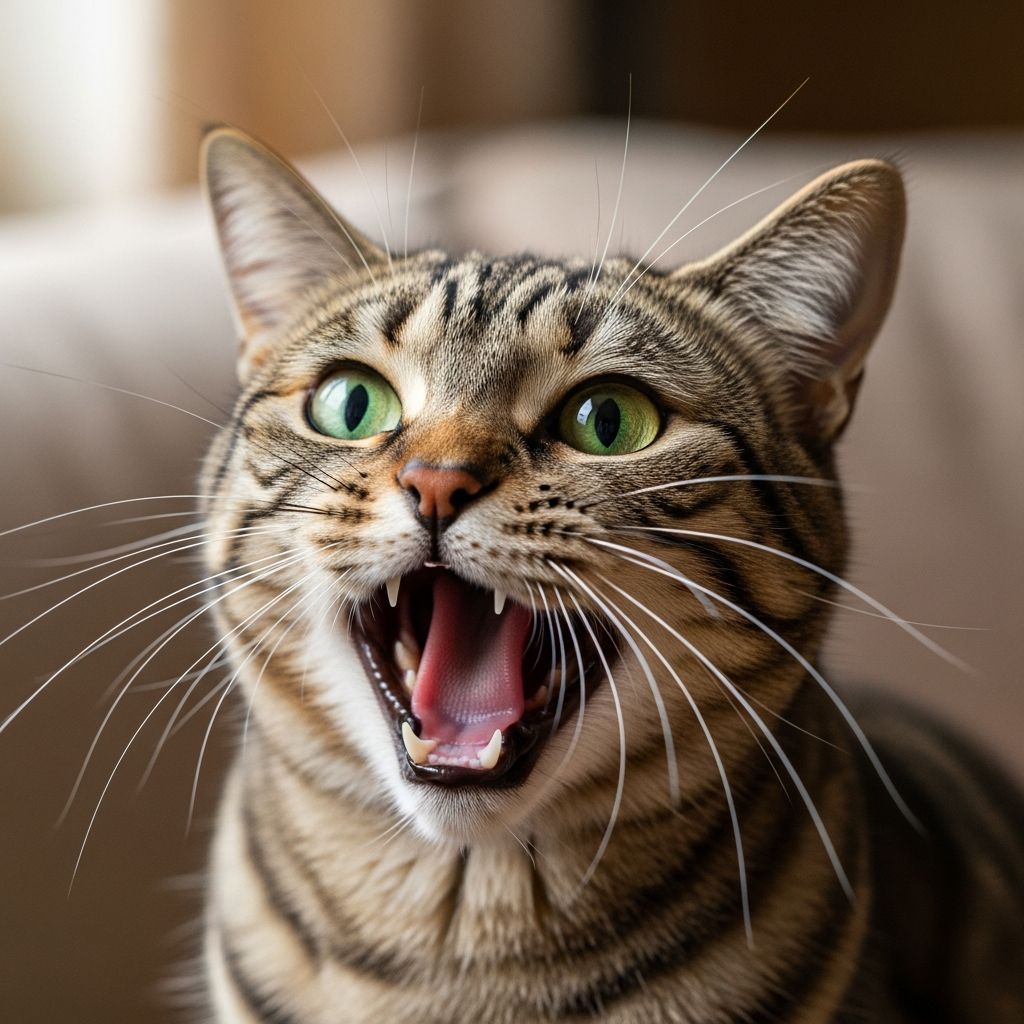
Why Does My Cat Meow So Much?
Cats communicate through a rich variety of vocalizations — meowing, purring, chirping, hissing, and countless other sounds that reflect their unique personalities. These vocal expressions are one of the characteristics that endear cats to millions of pet owners worldwide. However, when meowing becomes excessive, it can leave you wondering what your feline friend is trying to tell you. Understanding the reasons behind excessive meowing is crucial for addressing the underlying issues and improving your cat’s quality of life.
Understanding Excessive Meowing in Cats
The first challenge in addressing excessive meowing is defining what “excessive” actually means. Unlike a measurable, objective standard, excessive meowing is subjective and depends on the tolerance level of the individual listener. Several factors influence how we perceive a cat’s vocalizations, including your prior experience with cats, the specific type of vocalization, the time of day, and your understanding of why the cat is meowing.
For instance, a cat meowing insistently for breakfast might seem charming and endearing, while the same volume of meowing from a stray cat outside your window at three in the morning would likely feel annoying and disruptive. Your personal tolerance threshold, shaped by your relationship with cats and your living situation, determines what you consider excessive vocalization.
Is Your Cat’s Meowing Normal?
It’s important to remember that all vocalizations are completely normal — they represent how cats communicate with each other and with their human companions. However, certain factors make some cats naturally more vocal than others.
Breed Tendencies
Certain cat breeds are known for being particularly vocal communicators. Siamese cats, for example, are famous for their talkative nature and tend to vocalize significantly more than many other breeds. If you have a Siamese or a similar vocal breed, increased meowing might simply be part of their genetic predisposition rather than a sign of a problem.
Normal Seasonal Increases
Normal increases in vocalization occur naturally during mating season when female cats go into heat and male cats compete for their attention. During this period, you may notice dramatic increases in meowing, yowling, and other vocalizations. One practical solution to eliminate this cacophony is to spay or neuter your cats, which is also beneficial for their overall health and reduces unwanted offspring.
Changes in Living Circumstances
Cats also vocalize more when significant changes occur in their household environment. Moving to a new residence, transitioning from outdoor to indoor living, or any other major change can trigger temporary increases in vocalization as your cat adjusts to their new circumstances. In these cases, the increased vocalization is usually transient and decreases as your cat adapts to their new environment.
Primary Causes of Excessive Cat Meowing
Understanding why your cat meows excessively is the first step toward addressing the behavior. The most common causes fall into two main categories: attention-seeking behaviors and medical issues.
Attention-Seeking Behavior
One of the most prevalent reasons cats meow excessively is to signal their desire for attention. Cats learn to meow to request what they want — whether that’s attention, food, access to the outdoors, or playtime. This learned behavior develops through a simple cause-and-effect pattern: your cat meows, and you respond to their demand by giving them what they want.
When you consistently respond to your cat’s meowing by satisfying their request, you’ve essentially trained them that vocalizing is an effective way to get results. Once this pattern is established, the cat will continue to vocalize and may even increase the intensity and frequency of their meowing because they’ve learned it works. This creates a feedback loop that reinforces the attention-seeking behavior.
Medical Issues and Health Concerns
Excessive vocalization can indicate underlying medical or behavioral problems that require professional attention. Cats might meow excessively when they experience pain or have neurological problems affecting their behavior. Additionally, sensory deficits such as hearing loss or vision loss can cause cats to vocalize more as they attempt to compensate for their reduced sensory input.
Cognitive dysfunction, similar to dementia in humans, can also lead to increased vocalization, particularly in older cats. Anxiety, aggression, frustration, and other behavioral issues may similarly cause cats to vocalize repeatedly as they express their emotional distress or attempt to communicate their needs.
When to Seek Professional Help
If your cat is meowing excessively, the most important first step is to consult with a veterinarian or veterinary behaviorist to rule out medical or behavioral issues. Your vet can perform a thorough examination and determine whether the excessive meowing stems from a health problem that requires treatment or whether it’s purely a behavioral concern.
Solutions for Reducing Excessive Meowing
The approach to managing excessive vocalization depends entirely on identifying and addressing the underlying cause.
For Boredom and Insufficient Stimulation
Many cats turn to excessive vocalization because they’re bored and not receiving adequate mental and physical stimulation. If your veterinarian has ruled out medical issues, evaluate your cat’s enrichment activities. Increasing your cat’s mental and physical enrichment through interactive play, puzzle feeders, climbing structures, and environmental enrichment might completely eliminate the excessive meowing problem.
For Nighttime Vocalization
If your cat meows excessively during the night, disrupting your sleep, try implementing a specific routine. Play with your cat close to your bedtime to tire them out physically. Follow this play session with a protein-rich meal that satisfies cats’ natural hunting cycle instinct (hunt, catch, kill, eat, groom, sleep). This sequence often makes cats less likely to wake you during the night.
Additionally, leaving a food puzzle out overnight keeps your cat’s brain mentally stimulated and their stomach satisfied, reducing the motivation to vocalize for attention or food.
For Attention-Seeking Behavior
If your cat is demanding attention through vocalization and medical issues have been ruled out, you must implement a consistent extinction strategy. This means refusing to respond to any request for attention until the cat is quiet. During the initial phases of this training, your cat will likely vocalize more intensely and for longer periods before finally giving up the behavior. This escalation is temporary and normal — your consistency is crucial during this phase.
The key to success is never giving in during this period. If you respond to the increased vocalization, your cat will learn that louder and longer meowing is the only way to reliably get your attention, making the problem worse.
Rewarding Appropriate Behavior
In addition to ignoring attention-seeking meowing, actively reward your cat for performing more appropriate behaviors. This might include sitting quietly in front of you, gently touching you to ask for something, or simply being quiet in your presence. By reinforcing these alternative behaviors, you teach your cat that quiet communication gets better results than excessive meowing.
Creating an Effective Management Plan
Successfully addressing excessive meowing requires a comprehensive approach that combines veterinary assessment, environmental enrichment, behavioral modification, and consistent response patterns. Here’s what an effective plan typically includes:
- Professional veterinary evaluation to rule out medical causes
- Assessment of your cat’s current enrichment and activity levels
- Implementation of increased mental and physical stimulation
- Establishment of consistent daily routines, especially around feeding and play
- Implementation of extinction protocols for attention-seeking behavior
- Active reinforcement of quiet, appropriate behaviors
- Patience and consistency throughout the process
Understanding Your Cat’s Communication Needs
It’s important to approach excessive meowing with compassion and understanding. Your cat isn’t being deliberately difficult — they’re attempting to communicate their needs. By addressing the root cause, whether it’s medical, behavioral, or environmental, you’re not just solving the meowing problem; you’re improving your cat’s overall quality of life and strengthening your relationship with your feline companion.
Remember that behavior change takes time. Whether you’re dealing with a cat seeking attention, suffering from medical issues, or struggling with anxiety, progress often happens gradually. Maintaining realistic expectations and staying consistent with your approach will yield the best results.
Frequently Asked Questions About Cat Meowing
Q: Is excessive meowing always a sign of a problem?
A: Not necessarily. Some breeds naturally vocalize more than others, and increased meowing can be completely normal during mating season or when your cat is adjusting to changes in their environment. However, sudden increases in meowing should be evaluated by a veterinarian to rule out medical issues.
Q: How long does it take to reduce attention-seeking meowing?
A: This varies depending on how long the behavior has been reinforced and your consistency with the extinction protocol. Some cats may show improvement within days, while others might take weeks. The key is maintaining absolute consistency and never giving in to the vocalization.
Q: Can I use punishment to stop excessive meowing?
A: Punishment is not recommended and can actually worsen the behavior or damage your relationship with your cat. Instead, focus on ignoring unwanted vocalizations, rewarding appropriate behaviors, and addressing any underlying medical or environmental causes.
Q: What if my cat meows excessively due to medical issues?
A: Treatment depends on the specific medical condition. Your veterinarian will recommend appropriate treatment options, which might include medication, dietary changes, or other interventions based on the diagnosis.
Q: Should I ignore all meowing from my cat?
A: No. You should still respond to meowing that indicates legitimate needs like hunger or the need for bathroom access. The key is distinguishing between necessary communication and attention-seeking behavior, and responding appropriately to each.
References
- Why Does My Cat Meow So Much? — Best Friends Animal Society. Accessed November 29, 2025. https://bestfriends.org/pet-care-resources/why-does-my-cat-meow-so-much
Similar Articles







Read full bio of medha deb