

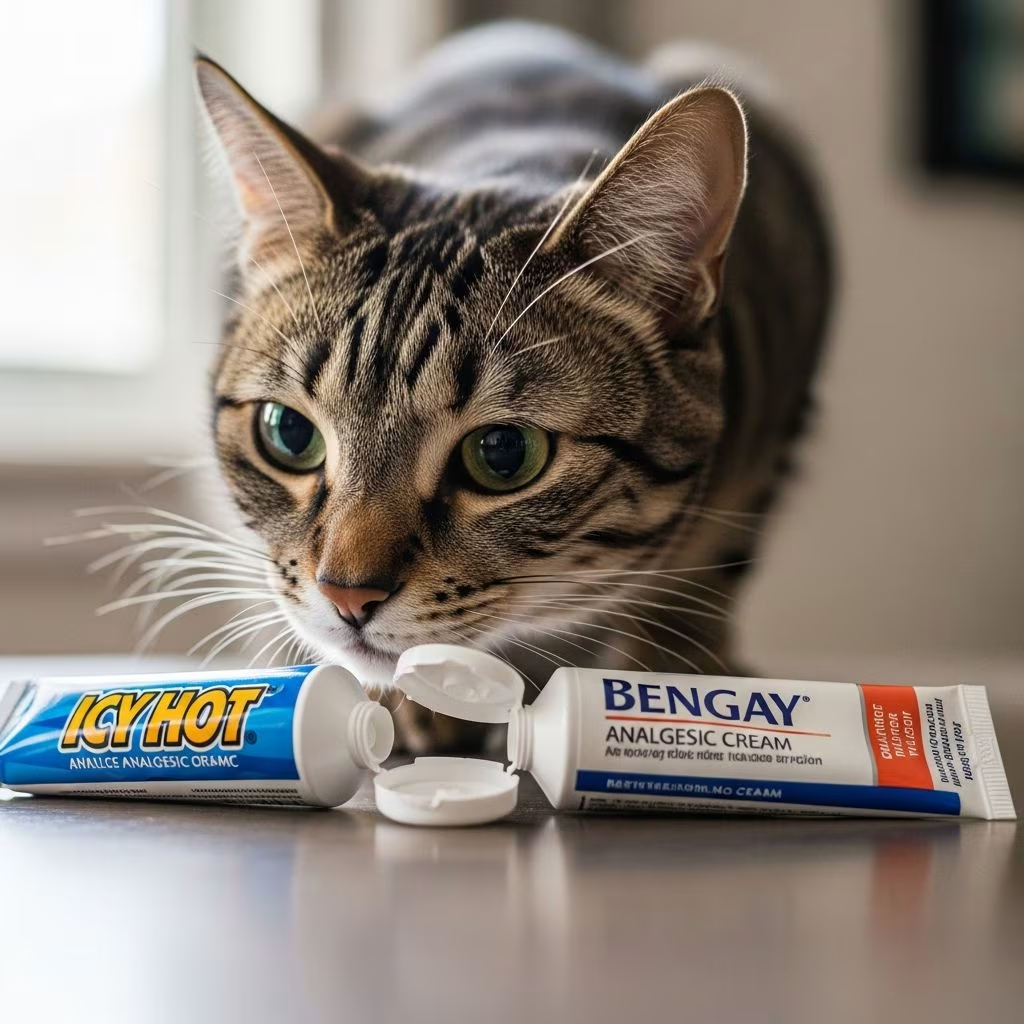
Cats often display quirky behaviors, and one peculiar fascination many pet owners notice is their cat’s intense interest in topical pain relief products like Icy Hot and Bengay. These menthol-heavy ointments, designed for human muscle aches, emit a strong minty aroma that sends some cats into sniffing, rubbing, and even licking frenzies. While amusing at first glance, this attraction stems from biological triggers similar to catnip responses, but it carries significant health risks for felines.
Understanding why cats gravitate toward these products requires delving into their sensory world, chemical compositions, and innate curiosities. This comprehensive guide explores the science behind the appeal, the inherent dangers, symptoms of exposure, prevention strategies, and safer alternatives, ensuring cat owners can protect their pets while managing personal pain relief needs.
The Reasons Why Cats Are Attracted to Icy Hot and Bengay
The allure of Icy Hot and Bengay for cats boils down to their potent ingredients, particularly menthol, which mimics scents and sensations familiar and enticing to felines. Cats possess an acute sense of smell—about 14 times stronger than humans—allowing them to detect these odors from afar, often leading them to investigate applied areas on their owner’s skin.
1. The Menthol Connection to Catnip and Mint Family Plants
Menthol, the star ingredient in both Icy Hot and Bengay, is derived from mint plants, placing it in the same botanical family as catnip (Nepeta cataria). Catnip contains nepetalactone, an essential oil that triggers euphoric responses in roughly 70-80% of cats, manifesting as rubbing, rolling, purring, and hyperactivity lasting 5-15 minutes. When cats encounter menthol’s cooling, minty vapor, they associate it with this pleasurable catnip high, prompting similar behaviors like sniffing, head-butting, and attempts to lick.
This response isn’t universal; genetics play a role, with only two-thirds of cats exhibiting the ‘catnip response.’ Kittens under six months and seniors often show less interest, as sensitivity develops around 3-6 months and may wane with age. However, for responsive cats, the menthol scent is irresistible, evoking wild mint plants they might encounter in nature, which could mask predators or attract prey.
- Mint family link: Menthol from peppermint mimics catnip’s nepetalactone structure.
- Sensory trigger: Cooling sensation on vomeronasal organ (cat’s scent detector) amplifies appeal.
- Behavioral parallel: Sniffing leads to rolling, drooling, and zoning out, akin to catnip bliss.
2. Curiosity and Novelty for Younger Cats
Kittens and young cats, with their boundless curiosity, are particularly drawn to new scents and textures. If a cat hasn’t encountered catnip or mint yet, Icy Hot or Bengay represents an exciting novelty. Their exploratory nature drives them to sniff, paw, and taste-test unfamiliar items, especially those rubbed on a familiar human body part.
This inquisitiveness mirrors wild feline behaviors, where investigating novel plants or substances aids survival—identifying food, territory markers, or dangers. In a home setting, the strong, pervasive menthol odor overrides caution, turning your knee or shoulder into a magnet.
3. Simple Preference for the Smell and Taste
Not all cats need a catnip link; some simply enjoy menthol’s unique minty, slightly burning profile. This could stem from individual taste preferences or the contrast against household smells. Cats have about 470 taste buds (versus humans’ 9,000), but their smell-driven eating habits make potent aromas like menthol highly appealing, prompting licking despite risks.
Wintergreen oil in some formulations adds a sweet, medicinal note that further intrigues, though it’s equally hazardous. Playful cats may escalate to nuzzling or biting through clothing to access the source.
The Dangers of Icy Hot and Bengay for Cats
While the attraction is understandable, these products are not safe for cats. Ingesting even small amounts via licking can lead to toxicity, as feline livers lack enzymes to metabolize certain compounds effectively.
| Ingredient | Source of Toxicity | Potential Effects |
|---|---|---|
| Menthol (from peppermint) | High concentration irritates GI tract; phenols overwhelm liver | Vomiting, diarrhea, hypersalivation, ataxia |
| Salicylates (e.g., methyl salicylate in wintergreen) | Aspirin-like compound toxic to cats | Ulcers, liver/kidney failure, bleeding disorders |
| Camphor/Capsaicin | Central nervous system stimulants | Seizures, respiratory distress, coma |
| NSAIDs (e.g., flurbiprofen in some) | Anti-inflammatory drugs | Kidney damage, GI hemorrhage (FDA alerts reported deaths) |
Menthol concentrations in topicals (5-16%) far exceed safe levels for cats, unlike diluted plant forms. Essential oils amplify risks when combined.
Symptoms of Exposure and When to Call the Vet
Monitor for immediate signs post-exposure:
- Mild: Excessive drooling, pawing at mouth, mild vomiting.
- Moderate: Diarrhea (possibly bloody), lethargy, reduced appetite, tremors.
- Severe: Difficulty breathing, seizures, jaundice, collapse—emergency!
Contact a vet or pet poison hotline (e.g., ASPCA at 888-426-4435) even for one lick. Provide product details, amount ingested, and cat’s weight. Induce vomiting only under professional guidance.
How to Prevent Your Cat from Accessing These Products
Proactive steps safeguard your cat:
- Apply in a cat-free zone: Bathroom with door closed; wait 30 minutes before resuming pet interaction.
- Cover treated areas: Long pants, sleeves, or bandages block access.
- Store securely: Tubes/jars in high cabinets or locked drawers.
- Distract with alternatives: Offer catnip toys or silver vine during application times.
- Choose cat-safe pain relief: Oral meds or patches without menthol; consult doctor for pet-friendly options.
Safer Alternatives to Catnip-Like Attractions
Channel your cat’s menthol fascination safely:
- Catnip toys/stuffed mice: Pure nepetalactone bliss without toxins.
- Silver vine or Tatarian honeysuckle: Stronger responses for non-responders to catnip.
- Mint plant toys: Dried leaves in scratchers (avoid live peppermint, toxic if nibbled).
- Puzzle feeders: Redirect curiosity to mental stimulation.
Frequently Asked Questions (FAQs)
What if my cat licks Icy Hot just once?
Call your vet immediately for monitoring advice, even for minimal exposure, as individual sensitivity varies.
Why do some cats ignore Icy Hot and Bengay?
Genetic non-responders (30-50%) or lack of prior mint exposure; age also factors in.
Are there pet-safe versions of these ointments?
No; avoid all human topicals. Use vet-prescribed feline pain management instead.
How long does the catnip-like response last with menthol?
Typically 5-15 minutes, followed by a refractory period of 1-2 hours.
Can menthol harm cats through inhalation only?
Possible respiratory irritation in high doses, but ingestion is the primary risk.
Final Thoughts
Your cat’s love for Icy Hot and Bengay highlights their captivating sensory world, driven by menthol’s catnip-mimicking magic. However, the toxicity risks—from GI upset to organ failure—far outweigh the fascination. By understanding these triggers and implementing prevention, you can enjoy pain relief without endangering your furry friend. Prioritize safety: vet consultations trump curiosity every time.
References
- Why Do Cats Like Icy Hot & Bengay? 3 Vet-Reviewed Reasons — Hepper. 2023. https://articles.hepper.com/why-do-cat-likes-icy-hot-and-bengay/
- Why Does My Cat Like Icy Hot and Bengay? Possible Reasons — Catster. 2023. https://www.catster.com/cat-behavior/why-does-my-cat-like-icy-hot-and-bengay/
- Behavioral differences among domestic cats in the response to catnip — National Library of Medicine, NIH. 2022-08-11. https://pmc.ncbi.nlm.nih.gov/articles/PMC9414117/



