

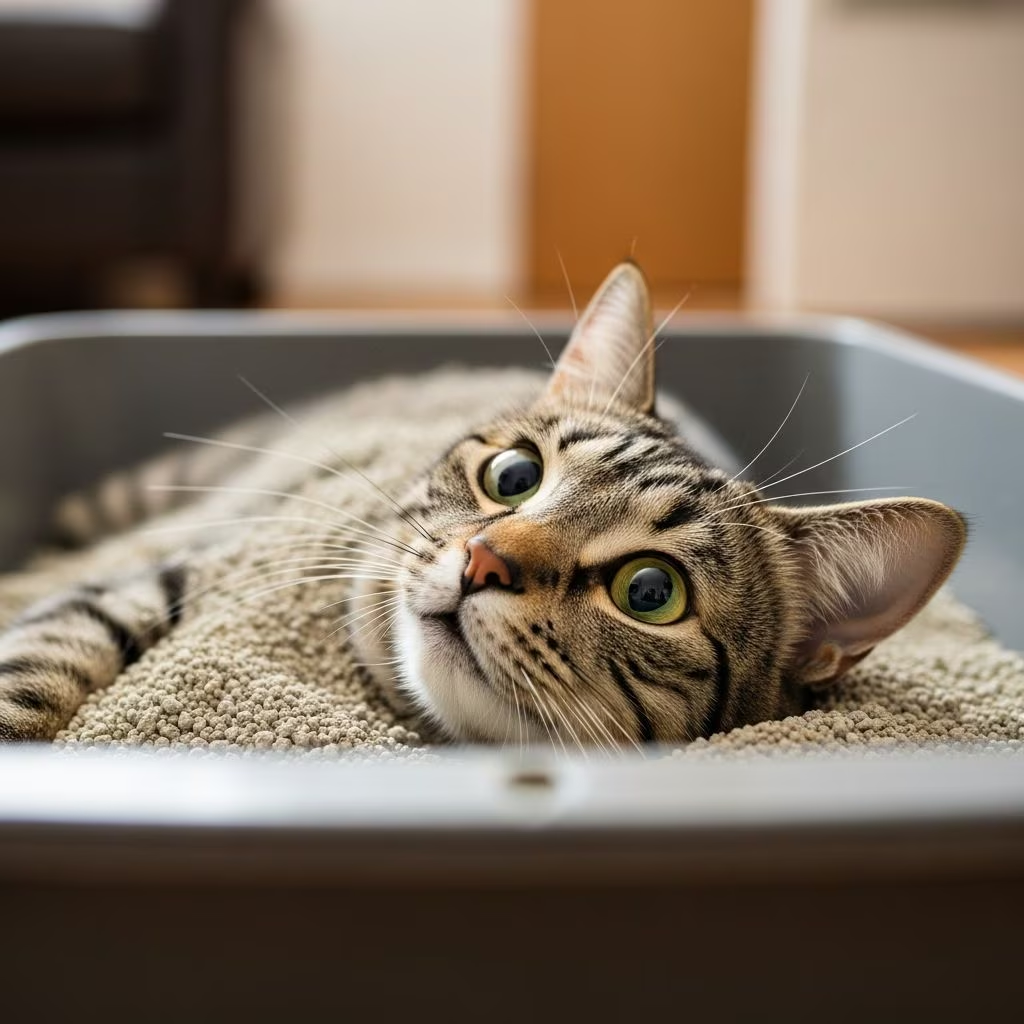
Cats exhibit a range of quirky behaviors, but spending excessive time lying, sleeping, or even playing in their litter box stands out as particularly unusual. This conduct can signal underlying health problems, emotional distress, or instinctual responses. Understanding the context—whether your cat is using the box normally but lingering, avoiding it while resting inside, or actively playing—helps pinpoint the cause. While occasional visits might stem from comfort or security, persistent behavior warrants attention to ensure your feline’s well-being.
Is It Normal for Cats to Lie, Sleep, or Play in the Litter Box?
No, it is not normal for cats to regularly lie, sleep, or play in the litter box. Cats are fastidious creatures that typically avoid soiling their resting areas. The litter box’s sandy texture may appeal to their digging instincts, mimicking natural environments, but choosing it as a hangout spot often indicates discomfort or stress. Observe accompanying signs like straining, lethargy, or changes in appetite to determine if veterinary intervention is needed.
Reasons Why Cats Lie in the Litter Box
Several factors drive this behavior, categorized into medical, environmental, and behavioral causes. Cats may seek the litter box for its enclosed, familiar feel, especially during vulnerability.
Medical Reasons Why Cats Lie in the Litter Box
Health issues top the list of concerns when a cat lingers in the litter box. Pain or discomfort associated with elimination prompts cats to stay close to the source of relief.
- Urinary Tract Issues (UTIs), Bladder Stones, or Kidney Disease: Cats with urinary problems strain frequently, producing little or no urine, and may lick their genital area excessively. Blood in urine or constant visits signal urgency; immediate vet care is critical to prevent blockages, which can be fatal.
- Gastrointestinal Problems: Diarrhea, constipation, or inflammatory bowel disease (IBD) causes repeated trips and discomfort, leading cats to hunker down.
- Mobility Challenges: Arthritis, joint pain, or injuries make it hard for older cats to leave the box after use, turning it into a reluctant bed.
- Pregnancy: Expectant queens nest in secluded spots like litter boxes for safety. Watch for enlarged abdomen, pink nipples, vomiting, or lethargy.
Symptoms to monitor include frequent urination attempts, straining, blood in stool or urine, hard dry stools, and genital licking. Lethargy or appetite loss amplifies concern—schedule a vet exam promptly.
Stress and Anxiety Reasons
Environmental upheavals trigger anxiety, making the litter box a refuge. Its private location offers security amid chaos.
- Household Changes: New pets, guests, renovations, or moves disrupt routines. Cats retreat to the familiar box.
- Multi-Cat Dynamics: Competition heightens stress; the box becomes a safe haven.
- Sudden Events: Thunderstorms or hyperactive dogs send cats hiding.
Newly adopted shelter cats may default to the box due to past confinement, acclimating over time.
Territorial Behavior
In multi-cat homes, cats guard the litter box to assert dominance or secure access. The occupant prevents rivals from approaching.
- Spraying, aggression, hypervigilance, or reduced eating accompany this.
Bully cats claim it to deny others; victims stake it out defensively.
Comfort and Instinctual Preferences
The litter’s soft, diggable texture and the box’s seclusion attract some cats, evoking wild burrowing. Covered boxes enhance den-like security, though uncleanliness risks health.
Why Do Cats Sleep in the Litter Box?
Sleeping elevates concern, often linking to illness or severe stress. Cats stay for ‘nearby toilet’ convenience during urinary distress or mobility limits. Pregnant cats nest there instinctively, but it invites infections. Anxiety from changes makes it a panic room; territorial sleep-ins block competitors. Discourage by addressing roots—vet checks first, then enrich environment.
Why Do Cats Play in the Litter Box?
Play suggests less severity: kittens bat litter like prey, practicing hunting. Adults ‘play’ via digging or pouncing, enjoying texture. Boredom or insufficient toys prompts this; provide alternatives like scratching posts or interactive play. Distinguish from straining—play involves energy, not distress.
What Should You Do If Your Cat Is Lying in the Litter Box?
- Vet Visit: Rule out medical issues first. Describe behavior, symptoms, diet changes.
- Monitor: Track litter box frequency, stool/urine quality, appetite, activity.
- Reduce Stress: Offer pheromone diffusers, quiet retreats, consistent routines.
- Optimize Litter Setup: Ensure 1.5x cat length boxes, unscented clumping litter, one per cat plus one extra. Scoop daily, deep clean weekly.
- Multi-Cat Solutions: Space boxes apart; use multiple entry points.
- Enrich Environment: Cat trees, windows, toys combat boredom.
For pregnancy, prepare a proper nest. Persistent issues? Consult feline behaviorists.
How to Stop Your Cat from Lying in the Litter Box
Treat causes directly. Medicate health problems; medicate UTIs swiftly. Ease anxiety with Feliway, playtime. Install extra boxes for territory. Block access temporarily if safe, redirecting to beds. Patience yields results—most cats adapt.
| Cause | Symptoms | Solutions |
|---|---|---|
| Medical (UTI/Kidney) | Straining, blood, frequent visits | Vet exam, meds |
| Stress/Anxiety | Lethargy post-change | Pheromones, safe spaces |
| Territorial | Aggression, spraying | Extra boxes, separation |
| Pregnancy | Appetite up, nesting | Kitting box, monitoring |
Frequently Asked Questions (FAQs)
Is it normal for my cat to sleep in the litter box?
Not regularly; it signals health or stress issues. Occasional use might be comfort-seeking, but monitor for symptoms.
Why is my cat suddenly lying in the litter box?
Sudden onset points to acute illness like UTI or recent stress like new pets. Vet check essential.
Should I be worried if my kitten plays in the litter box?
Less worry—instinctual fun. Provide toys to redirect.
How many litter boxes for multiple cats?
One per cat plus one extra, spread out.
Can litter type influence this behavior?
Yes; fine, unscented clumping preferred. Coarse or scented may deter use.
References
- Why Is My Cat Sleeping in the Litter Box? — Litter-Robot. 2025. https://www.litter-robot.com/blog/why-is-my-cat-sleeping-in-the-litter-box/
- Why Is My Cat Sleeping in the Litter Box? 3 Most Common Reasons — Litter-Robot (YouTube, Dr. Anna Foster, veterinarian). 2025-07-01. https://www.youtube.com/watch?v=DcFg3huj_7k
- Why Is My Cat Lying Down in Their Litter Box? — PetSafe. Accessed 2026. https://www.petsafe.com/blog/cat-laying-in-the-litter-box/
- Why Is My Cat Sleeping & Laying in The Litter Box? — PrettyLitter. 2025-11-20. https://www.prettylitter.com/blog/why-is-my-cat-laying-in-the-litter-box



