

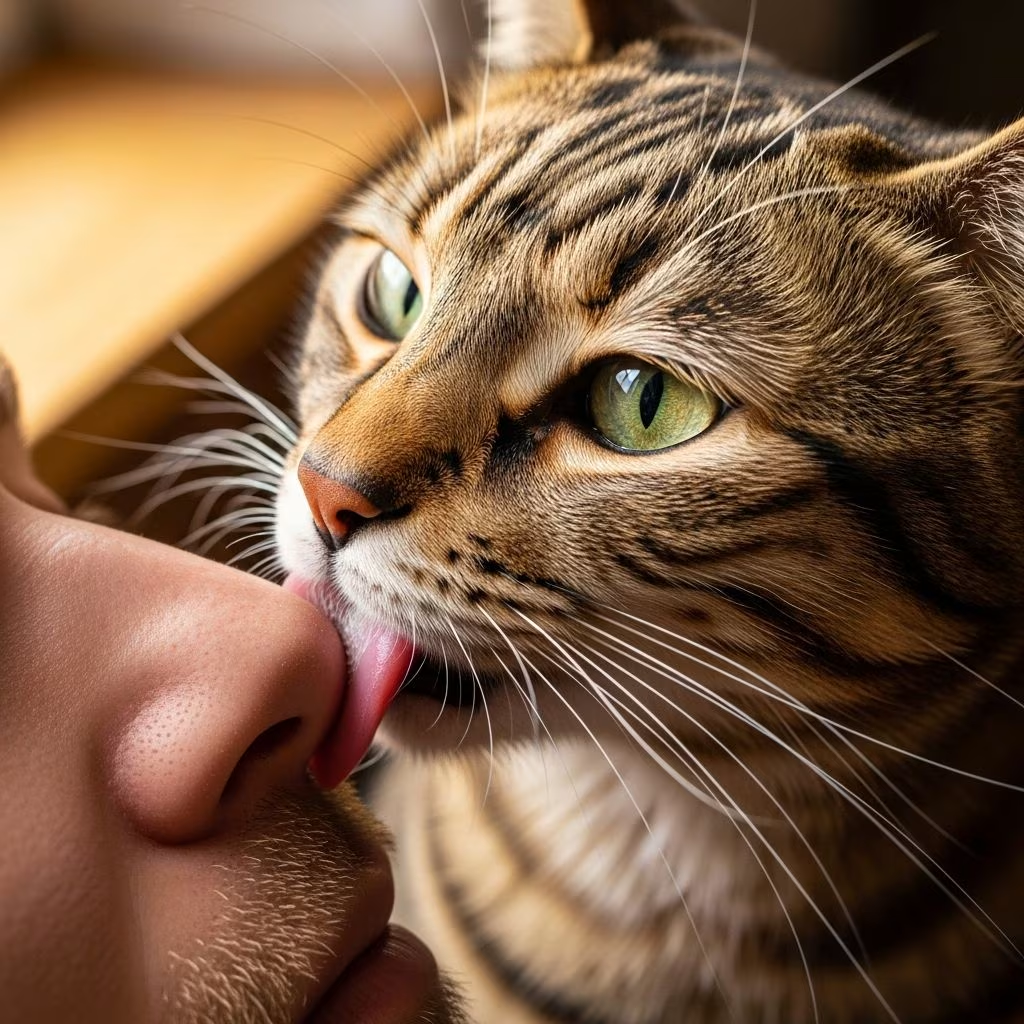
Cat owners often puzzle over quirky behaviors like nose licking. This seemingly odd habit stems from deep-rooted instincts and emotional connections. Cats lick noses to express affection, bond socially, groom, taste salt, claim territory, self-soothe, seek attention, or include you in their family. Understanding these motivations strengthens your relationship while addressing any concerns.
The 9 Reasons Why Your Cat Licks Your Nose
Cats communicate through grooming rituals passed from mothers to kittens. Nose licking targets a prominent, accessible facial feature rich in scents and salts. Below are the primary drivers behind this behavior.
1. To Show Affection
Mother cats groom kittens extensively for cleanliness and love, teaching offspring to reciprocate. Young cats may lick your nose to mimic this, signaling a strong emotional tie. It’s their version of a heartfelt kiss, especially during relaxed moments like lap time.
2. As a Form of Social Bonding
In multi-cat homes, felines mutually groom to reinforce alliances. Extending this to humans cements you as a trusted colony member. Nose licks during petting sessions deepen this interpersonal connection, fostering harmony.
3. To Clean You
Enthusiastic groomers treat owners like oversized kittens, focusing on exposed skin like faces over clothes. Though your nose isn’t dirty, they instinctively tidy it, blurring bonding with hygiene in a nurturing act.
4. To Obtain Salt from Your Skin
Sweat leaves salty residues on skin, which cats crave. Faces, including noses, accumulate these from daily activities. This lick doubles as a tasty treat alongside affection, explaining persistence on sweaty days.
5. To Show That They Love You
Some cats vocalize love through physical closeness—cuddles or licks. A nose lick while lounging on your chest is pure devotion, their subtle way of saying you’re cherished without words.
6. To Show That You Belong to Them
Territorial by nature, cats mark possessions with saliva pheromones. Nose licking transfers their scent, declaring you off-limits to rivals. It’s possessive affection, common in single-pet homes.
7. As a Soothing Sensation
Grooming occupies up to 50% of a cat’s day, providing comfort via endorphin release. Licking your nose extends this calming ritual to you, helping them unwind during stressful times.
8. To Show That They Want Attention
Bold cats target faces for instant response—hard to ignore a wet nose nudge. This clever tactic demands play, food, or pets when hand licks fail, showcasing their smarts.
9. To Show That You’re a Member of Their Family
Family grooming is sacred in cat society. By licking your nose, they integrate you into their pride, the ultimate trust badge. It’s a profound compliment from your feline companion.
Why the Nose? Key Insights into Facial Targeting
Faces draw licks due to oil-rich glands, prominent positioning, and familiarity. Noses, with mucous membranes and scents, mimic kitten features. Early-weaned cats regress, treating it like a nursing spot for comfort.
- Scent Mixing: Facial oils blend with cat saliva, creating a unified family aroma that wards off outsiders.
- Maternal Instinct: Humans resemble clumsy kittens; morning licks mimic wake-up grooming.
- Anxiety Relief: Licking while you sleep offers security in vulnerability, releasing soothing endorphins.
Health Risks and Safety Precautions
While endearing, nose licking carries risks. Cat saliva harbors bacteria like Pasteurella, potentially infecting mucous membranes (eyes, nose, mouth). Avoid if using toxic topicals like retinol or minoxidil.
| Risk Factor | Details | Precautions |
|---|---|---|
| Bacterial Transfer | Pasteurella enters via open areas, risking infection. | Enforce ‘Mucous Membrane Rule’: No licks on eyes/mouth/nose interiors. |
| Toxic Products | Skincare chemicals poison cats if ingested. | Wash face before bed; block access post-application. |
| Allergies/Overstimulation | Rare skin reactions or bite follow-ups. | Monitor for redness; redirect promptly. |
How to Stop Your Cat from Licking Your Nose
Not everyone welcomes sandpaper kisses. Redirect before contact for best results, preserving the bond without punishment.
- Chin Scratch Trade: Swap lick attempts with chin rubs—satisfies grooming itch cleanly.
- Barrier Method: Cover face with sheets at night; fabric deters tongues.
- Play Distraction: Engage with toys or lasers preemptively.
- Ignore & Reward: Turn away calmly, praise alternative behaviors like toy play.
Consistency trains effectively. If excessive, consult a vet to rule out anxiety or health issues.
Related Behaviors: Biting and Sniffing
Nose interactions extend beyond licks. Biting signals play, affection, or overstimulation—gentle ‘love bites’ post-cuddles. Sniffing gathers scent intel via superior olfaction and vomeronasal organ, greeting like cat-to-cat nose touches.
- Biting: Rarely aggressive; wakes sleepers or seeks interaction.
- Sniffing: Analyzes pheromones; affectionate info-gathering.
Frequently Asked Questions (FAQs)
Is it safe for my cat to lick my nose?
Generally yes on intact skin, but avoid mucous areas to prevent bacterial risks like Pasteurella. Rinse skincare residues first.
Why does my cat lick my nose only at night?
Sleeping makes you vulnerable like a kitten, ideal for anxious cats seeking comfort via endorphin-releasing grooming.
What if my cat licks aggressively or bites after?
May indicate overstimulation or play invitation. Redirect to toys; watch for stress signs.
Does nose licking mean my cat is hungry?
Not primarily, but attention-seeking can tie to feeding routines. Check schedule if persistent.
Can I train my cat to stop entirely?
Yes, via consistent redirection. Never punish—focus on positive alternatives for lasting change.
Enhancing Your Bond Beyond Licks
Embrace these quirks mindfully. Provide enrichment like puzzle feeders, vertical spaces, and scheduled play to curb attention-seeking licks. Regular vet check-ups ensure behaviors aren’t medically driven. Understanding equips you to respond with empathy, turning potential annoyances into bonding opportunities.
This behavior underscores cats’ complex social worlds. From wild ancestors, they’ve adapted grooming for human families, blending instinct with learned love. Celebrate your cat’s unique expressions while prioritizing mutual safety.
References
- Why Cats Lick Your Nose? Sandpaper Kisses — Lady N Pet. 2023. https://ladynpet.com/us/blog/why-does-my-cat-lick-my-nose/
- Why Does My Cat Lick My Nose? 9 Reasons For This Behavior — Catster. 2024-01-14. https://www.catster.com/cat-behavior/why-does-my-cat-lick-my-nose/
- Why Do Cats Bite, Lick, or Sniff Your Nose? — Petcube. 2023. https://petcube.com/blog/why-do-cats-bite-lick-or-sniff-your-nose/
- What It Means When a Cat Licks You — Broomfield Veterinary Hospital. 2024. https://broomfieldvet.com/blog/when-a-cat-licks-you/
- Why Does My Cat Lick My Face? Top 7 Reasons — Cats.com. 2024. https://cats.com/why-does-my-cat-lick-my-face



