

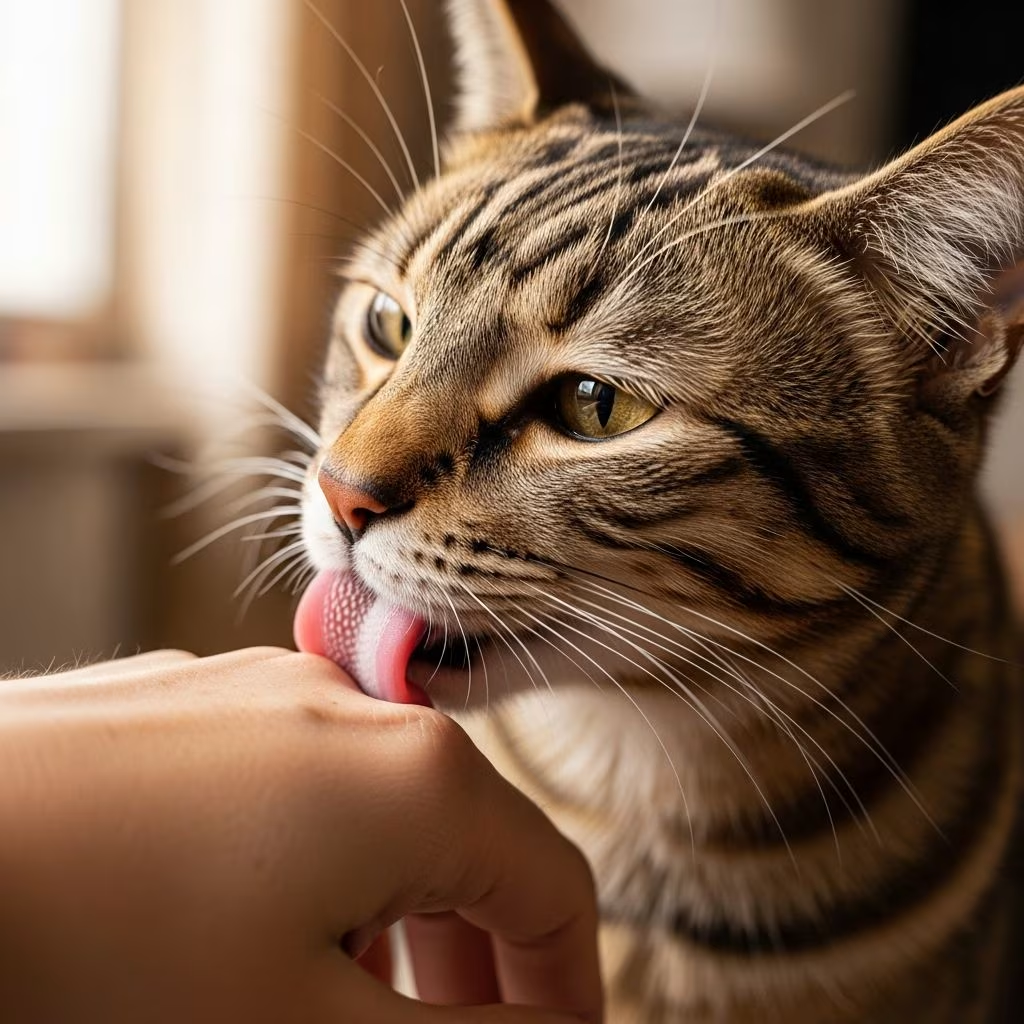
Your cat’s tongue on your hand can feel like a tiny sandpaper kiss, but what does it really mean? Cats lick humans for multiple reasons rooted in their instincts, social bonds, and sensory curiosity. This behavior, known as allogrooming when directed at others, strengthens relationships in feline social groups and extends to trusted humans. Understanding these motivations helps you respond appropriately, fostering a healthier bond with your pet.
In this comprehensive guide, we’ll break down the primary reasons cats target hands specifically, drawing from veterinary insights and behavioral studies. Hands are unique because they carry scents, salts, and textures that intrigue cats, making them prime targets for investigation.
Affection and Grooming: You’re Family
The most heartwarming reason your cat licks your hand is **affection**. Cats groom each other—mothers lick kittens, and adults allogroom littermates—to build trust and reinforce social bonds. When your cat includes you in this ritual, they’re saying you’re part of their family. This is especially common if your cat purrs, kneads, or relaxes during the lick, mimicking kittenhood comforts.
Grooming also serves a practical purpose: cleaning. Your cat might see you as unkempt and help ‘tidy’ you up, just as they do for themselves or other cats. Hands, being frequently exposed, accumulate dirt, scents, or residues that trigger this instinct. Studies on feline behavior note that allogrooming occurs most among closely bonded cats, indicating high levels of comfort and security with you.
- Bonding ritual: Licking mixes scents, creating a shared ‘group smell’ that identifies you as safe.
- Comfort gesture: Often accompanied by slow blinks or head rubs, signaling love.
- Frequency clue: If it happens during cuddle sessions, it’s pure affection.
PetMD experts emphasize that this affiliative behavior nurtures relationships, much like human hugs. If your cat licks your hand gently without biting, cherish it as a compliment.
The Irresistible Salt and Taste Appeal
Cats have a notorious love for **salt**, and human sweat provides the perfect source. Hands sweat more than other body parts, especially after exercise, cooking, or hot weather, leaving a salty residue that’s delicious to felines. Notice your cat zeroing in post-gym? They’re treating your hand like a natural salt lick.
Beyond salt, hands carry **tasty residues**. You’ve touched food, treats, or even other pets, embedding scents and flavors. Cats’ 200 million scent receptors (far more than humans’ 5 million) make your hand a sensory buffet. Licking helps them ‘taste’ these intriguing odors.
| Attractant | Why Cats Love It | Hand-Specific Reason |
|---|---|---|
| Salt from sweat | Enhances flavor; natural craving | Hands sweat most visibly |
| Food scents | Reminds of meals/treats | Hands handle food daily |
| Lotions/perfumes | Novel textures/flavors | Applied directly to skin |
Warning: Avoid letting cats lick lotion-covered hands. Ingredients like minoxidil or NSAIDs are toxic, potentially causing heart issues or poisoning. Always wash hands after applications.
Scent Investigation: Hands as Scent Magnets
Your hands touch everything—door handles, pets, snacks—making them scent repositories. Cats lick to analyze these via their vomeronasal organ (Jacobson’s organ), which processes pheromones and chemicals. A lick is essentially a high-tech sniff test for your cat.
This curiosity peaks with fingers, whose dexterity leaves unique traces. If you’ve petted another animal or handled fishy food, expect investigation. Purina notes this as a way cats ‘check out’ new scents on you.
- Exploratory lick: Quick, investigative swipes without settling in.
- Contextual: More common after you’ve been out or cooked.
Attention-Seeking: Your Reaction Matters
Clever cats learn that licking prompts a response—pets, words, or play. Even negative reactions count as attention, reinforcing the behavior. If you always pause to acknowledge the lick, your cat has trained you.
To curb this, ignore calmly. No eye contact, talking, or pushing away. Over time, they associate licking with no reward. Combine with proactive play to meet needs preemptively.
Anxiety and Self-Soothing Behaviors
Stressful cats may lick hands as a **displacement activity**, redirecting anxiety like excessive self-grooming. Triggers include changes like new pets, moves, or loud noises. Early-weaned kittens often retain suckling habits, licking fingers while kneading to self-soothe.
If licking escalates or pairs with hiding, consult a vet for anxiety. Environmental enrichment (toys, perches) and pheromone diffusers help.
Territorial Marking and Ownership
Licking deposits pheromones from glands in their mouth, marking you as ‘theirs’. This territorial act prevents rivals and reinforces bonds. It’s subtle ownership: ‘This human is mine.’
Licking Then Biting: Signs of Overstimulation
Not all licks are loving. Petting overloads sensitive nerves, leading to lick-bite sequences as warnings. Hands, primary petting tools, trigger this. Watch for tail twitches or ear flattening—stop immediately.
To manage:
- Pet in preferred spots (cheeks, not belly).
- Short sessions with breaks.
- Redirect to toys if biting starts.
Why Hands and Fingers Specifically?
Hands stand out due to salt, scents, textures mimicking teats, and their role in feeding/petting. Fingers resemble nipples for some, evoking nursing.
Is It Normal or a Concern?
Occasional licking is normal. Worry if excessive, with hair loss, aggression, or lethargy—could signal allergies, pain, or compulsion. Vet check recommended.
How to Respond to Hand Licking
Encourage affection but set boundaries:
- Wash hands: Remove temptations.
- Redirect: Offer toys or brushes.
- Go limp on bites: Avoid chase instinct.
- Enrich environment: Prevent boredom.
Never punish—cats don’t link it causally, risking trust erosion.
Frequently Asked Questions (FAQs)
Why does my cat lick my hand then bite?
This signals overstimulation from petting. Stop petting and withdraw slowly.
Is cat saliva safe on skin?
Generally yes, but allergies or bacteria like pasteurella pose risks. Clean minor scratches.
Why do some cats lick more than others?
Personality, weaning age, and bond strength vary. Early-weaned cats suckle more.
Should I stop my cat from licking my hands?
Not if affectionate, but redirect if unwanted or risky (lotions).
What if licking suddenly increases?
Check for stress, diet changes, or health issues. Vet evaluation advised.
Conclusion: Embrace the Lick with Insight
Cat hand-licking blends love, curiosity, and instinct. By decoding it, you deepen your connection. Observe context, respond mindfully, and enjoy these quirky feline expressions of trust.
(Word count: 1678)
References
- Why Cats Lick Hands & Fingers? Salt, Lotion & Taste — Lady N Pet. 2023. https://ladynpet.com/us/blog/why-does-my-cat-lick-my-hand/
- Why Does My Cat Lick Me? — Bottletree Animal Hospital. 2024-05-15. https://bottletreeanimalhospital.com/blog/why-does-my-cat-lick-me/
- What It Means When a Cat Licks You — Broomfield Veterinary Hospital. 2023-08-22. https://broomfieldvet.com/blog/when-a-cat-licks-you/
- Why Does My Cat Lick Me? — Purina. 2025-01-10. https://www.purina.com/articles/cat/behavior/understanding-cats/why-does-my-cat-lick-me
- Why Does My Cat Lick Me? 7 Common Reasons — PetMD. 2024-11-03. https://www.petmd.com/cat/behavior/why-does-my-cat-lick-me



