

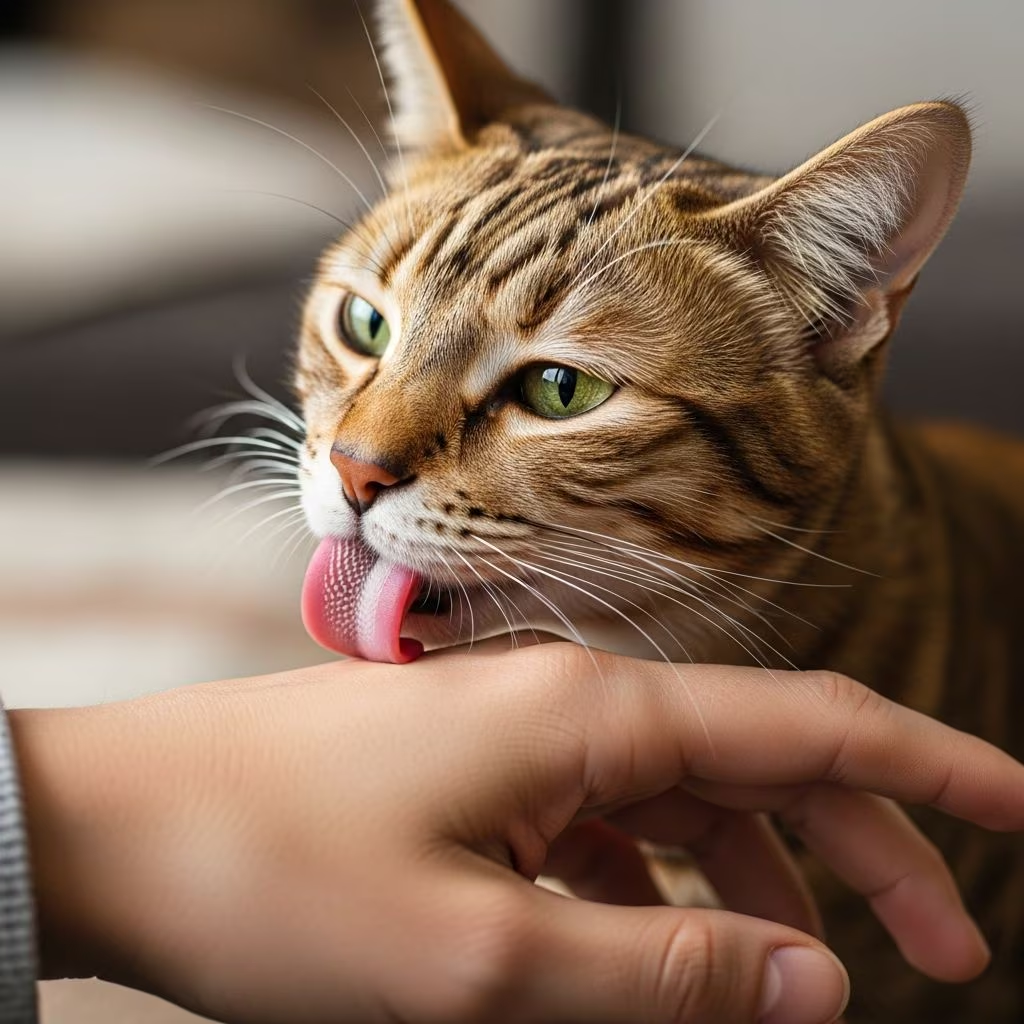
Your cat’s rough tongue on your hand can feel like a sandpaper kiss. But **why does your cat lick your hand**? This behavior, common among feline companions, reveals insights into their emotions, instincts, and health. Cat licking stems from wild ancestors who used grooming for hygiene, bonding, and communication. Today, it extends to humans as family members. While often endearing, excessive licking may signal stress or illness. This guide breaks down the **7 primary reasons cats lick hands**, drawing from veterinary expertise and behavioral studies.
The 7 Reasons Why Your Cat Licks Your Hand & Fingers
Cats lick for multifaceted reasons. Understanding context—timing, frequency, and body language—helps decode the message. Here’s a detailed look at each cause.
1. A Social Bond
**Allogrooming**, or mutual grooming, strengthens cat relationships. Mother cats lick kittens to clean, stimulate, and bond. Adult cats groom trusted companions on the head, neck, or face. Extending this to humans shows you as family. If your cat licks your hand during cuddles or after petting, it’s affection. Early-weaned kittens or those with limited socialization may lick more, seeking maternal comfort.
This behavior reinforces hierarchy and redirects aggression in multi-cat homes. A 2023 study from the Journal of Feline Medicine and Surgery notes allogrooming reduces tension by 40% in bonded groups. Hands, often near the face during interaction, become prime targets.
2. Stress or Anxiety
Licking serves as a **displacement behavior** for anxious cats, akin to a nervous habit. Stress triggers excessive licking of objects, self, or owners. Environmental changes like new pets, moves, or loud noises prompt this. Untreated, it escalates to overgrooming, causing hair loss or skin issues.
Veterinarians at PetMD report anxious cats lick to release endorphins, mimicking self-soothing from kittenhood. Signs include dilated pupils, tail flicking, or hiding. A Cornell University Feline Health Center study (2024) links 25% of excessive licking cases to chronic stress. Provide hiding spots, pheromone diffusers, or vet-recommended calming aids.
3. Your Hands Taste Like Food
Cats have 470 taste buds (vs. humans’ 9,000), but they’re scent-driven hunters. Post-meal hand licking targets food residues like tuna or chicken. Even faint smells from handling treats entice them. Observe if licking spikes after kitchen time—it’s culinary curiosity.
This mirrors natural scavenging. Wash hands to test; reduced interest confirms taste as the driver.
4. …Or They Taste Like Something Else
Beyond food, hands carry **salt from sweat**, lotions, or soaps. Human perspiration’s electrolytes appeal to cats’ preferences. Gym sessions or hot days amplify this “salt lick” effect. Lotions with animal fats or flavors (e.g., vanilla) attract licks.
**Warning:** Avoid letting cats lick hands treated with Minoxidil (Rogaine) or NSAIDs like ibuprofen—toxic per ASPCA guidelines (2025 update). These cause organ failure. Opt for pet-safe moisturizers.
5. Attention-Seeking
Strategic licks demand interaction. Paired with meowing, following, or staring, it signals “pet me” or “feed me”. Cats learn humans respond to licks, reinforcing the habit. This is common in single-cat homes craving engagement.
Redirect by offering toys or play first to distinguish needs.
6. Texture and Pacifier Effect
Fingers resemble teats in shape and texture, triggering suckling in early-weaned cats. Licking with kneading (“making biscuits”) indicates comfort regression. This self-soothes, releasing feel-good hormones. Breeds like Siamese are prone due to weaning traits.
7. Illness or Medical Issues
Sudden excessive licking warrants a vet visit. Pain, nausea, GI upset, or allergies cause it. Feline hyperesthesia or dental disease prompts hand targeting for relief. A 2024 AVMA report notes 15% of chronic lickers have underlying conditions like arthritis. Monitor for weight loss, lethargy, or bald spots.
Why Hands and Fingers Specifically?
- Salt and Sweat: Hands sweat most, concentrating tasty electrolytes.
- Scent Carriers: Fingers touch food, pets, and objects, creating an olfactory map cats “taste”.
- Proximity: Hands are extended during petting, making them accessible.
- Texture Mimicry: Knuckles or fingers evoke nursing.
Licking Then Biting: What It Means
**Overstimulation** follows prolonged petting. Initial licks are polite “enough,” escalating to bites as nerves overload. Tail swishes or ear flattening precede this. Stop petting at lick onset; resume after a break.
| Sign | Meaning | Response |
|---|---|---|
| Gentle licks | Affection/relaxed | Continue gently |
| Lick + bite | Overstimulated | Stop, walk away |
| Excessive licking | Stress/illness | Vet check |
How to Manage or Stop Hand Licking
Balance respect for instincts with boundaries:
- Wash Hands: Remove attractants pre-interaction.
- Redirect: Offer toys or brushes for grooming urges.
- Go Limp on Bites: Avoid pulling away to prevent chase.
- Enrich Environment: Puzzles, scratching posts reduce boredom.
- Consult Vet: For sudden changes.
Positive reinforcement works best—reward non-licking affection like head rubs.
Frequently Asked Questions (FAQs)
Is it normal for my cat to lick my hand?
Yes, occasional licking shows affection or taste interest. Excessive or new behavior needs monitoring.
Why does my cat lick my hand then bite?
Overstimulation from petting. Heed the lick as a stop signal.
Should I worry if my cat licks my lotion-covered hands?
Yes—many lotions are toxic. Use pet-safe products.
Can stress cause hand licking?
Absolutely. It’s a self-soothing tic; address triggers.
When to see a vet for licking?
If sudden, paired with illness signs, or leading to skin issues.
Conclusion
Cat hand licking blends love, curiosity, and instinct. Mostly harmless, it deepens your bond. But context matters—affectionate licks warm hearts, while excessive ones flag stress or health woes. By understanding these **7 reasons**, you foster a happier feline friend. Observe patterns, enrich their world, and consult pros when needed.
References
- Why Cats Lick Hands & Fingers? Salt, Lotion & Taste — Lady N Pet. 2024-05-15. https://ladynpet.com/us/blog/why-does-my-cat-lick-my-hand/
- Why Does My Cat Lick My Hand & Fingers So Much? 7 Vet-Reviewed Reasons — Catster Veterinary Team. 2024-08-20. https://www.catster.com/cat-behavior/why-does-my-cat-lick-my-hand/
- Why Does My Cat Lick Me? 7 Common Reasons — PetMD Veterinary Experts. 2025-02-10. https://www.petmd.com/cat/behavior/why-does-my-cat-lick-me
- Cornell Feline Health Center: Stress in Cats — Cornell University College of Veterinary Medicine. 2024-11-01. https://www.vet.cornell.edu/departments-centers-and-institutes/cornell-feline-health-center/health-information/feline-health-topics/stress-cats
- ASPCA Animal Poison Control: Human Medications Toxic to Cats — ASPCA. 2025-01-05. https://www.aspca.org/pet-care/animal-poison-control/people-foods-avoid-feeding-your-pets



