

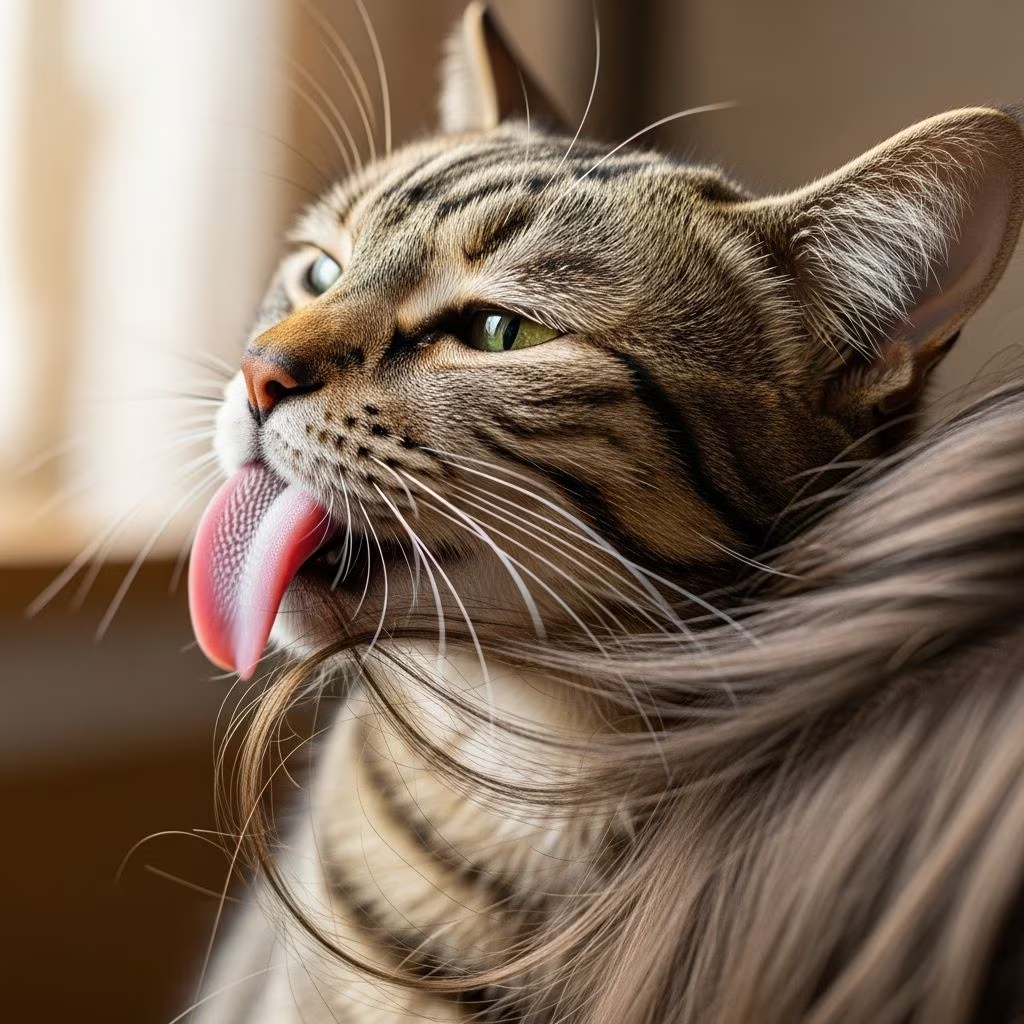
Your cat’s rough tongue gliding across your freshly shampooed locks might catch you off guard, but this quirky behavior is more common than you think. Cats lick human hair for a mix of instinctual, affectionate, and sensory reasons, often treating you as part of their feline family. While mostly harmless and endearing, excessive licking or chewing can signal underlying issues like nutritional deficiencies or anxiety. This comprehensive guide explores the science behind why cats lick hair, when it’s a loving gesture versus a red flag, and practical tips to manage it without dampening your bond.
It’s a Sign of Affection: Allogrooming Explained
The primary reason **cats lick your hair** is allogrooming, a social grooming behavior rooted in feline instincts. In cat colonies or ‘clowders,’ cats groom each other—especially the head and face—to strengthen bonds, show affection, and maintain hygiene. Mother cats lick kittens to clean and soothe them, while siblings reciprocate to reinforce family ties. By licking your hair, your cat is essentially saying, ‘You’re family.’ They view you as a large, mostly hairless cat deserving of their care, extending this intimate ritual to their favorite human.
Allogrooming releases endorphins for both groomer and groomee, creating a calming, pleasurable experience. Cats spend 30-50% of their waking hours grooming themselves, so extending this to you underscores deep trust and love. If your cat licks gently while purring or kneading (‘making biscuits’), it’s pure affection. This behavior often intensifies in multi-cat homes or with bonded owners, mimicking wild cat social dynamics.
Scent Marking: Claiming You as Their Own
Cats are scent-driven creatures with over 200 million olfactory receptors—far more than humans’ 5 million. Your hair traps a cocktail of scents from shampoo, pillow, environment, and your natural oils, making it a prime target. When a cat licks your hair, they’re not just cleaning; they’re depositing salivary scent glands to mingle their unique ‘group scent’ with yours. This territorial marking announces to other cats (or pets), ‘This human is mine.’
Scent marking via licking reinforces social hierarchy and belonging. In feral colonies, dominant cats groom subordinates to assert bonds. Indoors, your cat ‘claims’ you to combat perceived threats like visitors or new smells. Post-shower licking spikes because water amplifies scents, erasing their previous marks and prompting reapplication. It’s possessive love: your cat wants you smelling like their colony.
Kittenhood Instincts: Comfort and Regression
Some cats lick hair due to early weaning or separation trauma, triggering nursing behaviors. The silky texture of human hair mimics a mother’s fur, evoking soothing memories. Watch for ‘kitten regression’: licking paired with vigorous kneading, suckling sounds, and loud purring. Breeds like Siamese or Orientals, prone to such habits, may retain these into adulthood.
Early weaning (before 8-12 weeks) disrupts development, leading to oral fixation. Human hair becomes a surrogate for the lost comfort of maternal grooming. While endearing, monitor if it escalates to chewing, as it could blend with pica tendencies.
Sensory Appeal: Why Hair Specifically?
Cats target hair for its unique sensory profile. Here’s a breakdown:
- Wet Hair Fascination: Post-shower, damp hair amplifies natural oils and body heat, acting like a scent beacon. Cats’ water curiosity turns you into a ‘fountain toy’.
- Shampoo and Product Scents: Fruity, coconut, olive oil, or protein-rich formulas smell like prey or treats to felines. Avoid catnip-like mints, which mimic the attractant nepetalactone.
- Texture Play: Long, dangling hair sways like a toy, inviting playful licks, nibbles, or swats. Bored cats treat ponytails as interactive fun.
Dry vs. wet hair licking varies by cat; some prefer the moisture, others the static texture. Experiment with unscented products to test appeal.
When Licking Turns to Chewing: Pica and Risks
Gentle licking is fine, but chewing or swallowing signals **pica**, the compulsion to eat non-foods like hair, wool, or plastic. Causes include:
| Cause | Description | Breeds Prone |
|---|---|---|
| Nutritional Deficiency | Anemia, fiber/thiamine shortages from poor diet | All, esp. kittens |
| Genetics | Inherited wool-sucking trait | Siamese, Birman |
| Boredom | Lack of stimulation leads to oral fixation | Indoor cats |
Human hair dangers: Unlike feline fur, it’s long, indigestible, forming linear obstructions or hairballs requiring surgery. Symptoms: vomiting, lethargy, appetite loss. Consult a vet for bloodwork if persistent.
Stress and Anxiety: Displacement Grooming
Excessive licking/chewing can be stress relief. Cats over-groom to release endorphins during anxiety from moves, new pets, or storms. Check for frantic pace or timing with changes. Environmental enrichment (toys, perches) and pheromone diffusers help.
Toxic Hazards: Products to Avoid
Hair growth treatments like minoxidil (Rogaine) are lethal if ingested, causing heart failure. Oily conditioners may cause GI upset. Rinse thoroughly and store products securely.
How to Manage and Discourage Excessive Licking
Balance affection with safety:
- Redirect: Offer grooming brushes or toys during lick attempts.
- Enrich Environment: Puzzle feeders, scratching posts reduce boredom.
- Diet Check: Switch to high-fiber food; vet for supplements.
- Unscented Products: Hypoallergenic, cat-safe shampoos.
- Positive Reinforcement: Treats for alternative behaviors.
- Vet Visit: Rule out medical issues if chewing persists.
Never punish— it erodes trust. Most cats respond to gentle deterrence.
Frequently Asked Questions (FAQs)
Why does my cat lick my hair after a shower?
Wet hair intensifies scents and moisture, prompting scent remarking and water fascination.
Is cat hair licking dangerous?
Gentle licking is safe; chewing risks blockages. Monitor intake.
Why do some cats chew hair more than others?
Genetics, diet, or stress; Siamese are prone.
Should I stop my cat from licking my hair?
Redirect if excessive; it’s usually loving.
Does hair licking mean my cat is hungry?
Rarely; more affection or sensory. Ensure balanced diet.
References
- Why Does My Cat Keep Licking My Hair? 5 Key Motives Behind This Feline Behavior — LadyNPet. Accessed 2026. https://ladynpet.com/us/blog/why-does-my-cat-keep-licking-my-hair-5-key-motives-behind-this-feline-behavior/
- Why Do Cats Lick, Chew or Eat Human Hair? — TheCatSite. Accessed 2026. https://thecatsite.com/c/cat-eat-and-chew-hair/
- Why Does my cat Lick my Hair? — Oven-Baked Tradition. Accessed 2026. https://www.ovenbakedtradition.com/en/resources-and-tips/why-does-my-cat-lick-my-hair/
- Why Does My Cat Lick My Hair? Does It Think I’m Not Clean? — HowStuffWorks. Accessed 2026. https://animals.howstuffworks.com/pets/why-does-my-cat-lick-my-hair.htm
- Why Does My Cat Lick My Hair? — Cats.com. Accessed 2026. https://cats.com/why-does-my-cat-lick-my-hair



