

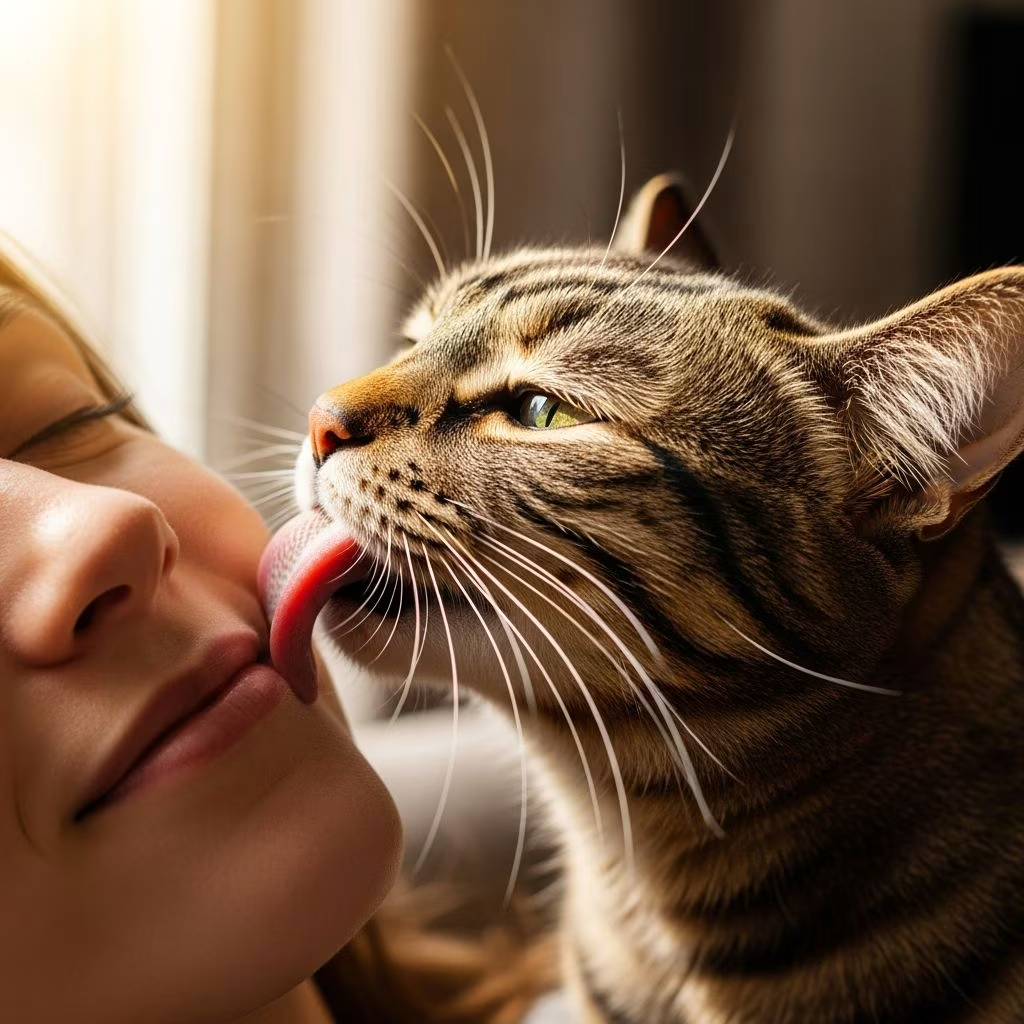
Your cat’s rough tongue gliding across your cheek might feel like sandpaper kisses, but it’s a common and endearing behavior among feline companions. Cats lick their owners’ faces for a variety of instinctual and emotional reasons, rooted in their wild ancestry and social bonds. This article delves into the science and psychology behind this habit, drawing from veterinary insights and behavioral studies to help you understand and strengthen your bond with your pet.
Understanding Cat Licking Behavior
Cats spend 30-50% of their waking hours grooming themselves, using their specialized tongues covered in tiny, backward-facing spines called papillae. These act like a natural brush for cleaning fur, removing dirt, and distributing oils. When a cat extends this grooming to you—a process known as allogrooming—it’s a sign of deep trust and integration into their social group. In the wild, cats reserve allogrooming for close family members, making it one of the highest compliments your pet can offer.
Allogrooming strengthens social bonds by mixing scents, reducing tension, and reinforcing hierarchy. For domestic cats, you’re not just a provider; you’re family. This behavior mimics kittenhood, where mother cats lick their offspring to clean, stimulate circulation, and show affection. Adult cats carry this forward, treating trusted humans like littermates or even their own kittens.
Top Reasons Why Cats Lick Your Face
Face licking isn’t random; it’s purposeful. Here are the primary motivations, supported by feline behavior experts:
- Affection and Bonding: The most common reason is love. Cats lick to express emotional connection, releasing endorphins that create a feel-good loop for both of you. This mirrors how mother cats groom kittens, purring as a love language.
- Grooming You: Cats view you as part of their hygiene routine. If your face has food residue, sweat, or smells ‘off,’ they’ll ‘help’ clean it, assuming the role of maternal groomer.
- Scent Marking and Territory: Your face is a scent hotspot with apocrine glands. Licking deposits their saliva, mixing pheromones to claim you as ‘theirs’ and create a shared family scent.
- Attention-Seeking: Bored or ignored? A lick says, ‘Notice me!’ It might precede showing off a toy or hunt, or simply demand pets. Persistent licking can escalate to nips if unmet.
- Stress or Anxiety Relief: Licking self-soothes during stress, like environmental changes or illness. Excessive face-licking might signal underlying issues.
- Taste Appeal: Salty skin, lotions, or skincare remnants make your face intriguing. Avoid toxic products like retinol or minoxidil.
- Communication and Instinct: Faces hold heat and are key for feline interaction via scent glands. Licking communicates trust and simulates nose-touching greetings.
Why Does My Cat Lick My Face at Night?
Nighttime face-licking often ties to bonding during vulnerable sleep moments, signaling ultimate comfort. Cats are crepuscular (active at dawn/dusk), so your bedtime aligns with their peak activity. It could be a self-soothing regression to kittenhood nursing or maternal wake-up licks. Habitual patterns form if reinforced positively. To manage, establish routines like play before bed to tire them out.
Why Does My Cat Lick Then Bite My Face?
The infamous lick-and-bite combo has nuanced explanations:
- Love Bites: Gentle nips mimic cat-to-cat affection during grooming.
- Overstimulation: Petting too long or in sensitive spots (belly, tail base) leads to frustration release.
- Play Invitation: Boredom prompts playful escalation.
- Grooming Technique: Biting grabs fur/skin for ‘cleaning,’ like with littermates.
- Pain or Health Issue: Sudden aggression during pets may indicate discomfort; vet check recommended.
Watch body language: twitching tail, flattened ears signal ‘stop.’ Redirect with toys to prevent escalation.
Why Does My Cat Lick My Fingers?
Finger-licking often stems from taste (food smells, lotions) or gratitude during petting. It’s an extension of face-licking for bonding or attention. If obsessive, rule out nutritional deficiencies or stress. Wash hands post-meals to reduce appeal.
Is Excessive Face Licking a Problem?
Occasional licks are normal, but excess can indicate:
| Issue | Signs | Action |
|---|---|---|
| Anxiety/Stress | Obsessive licking, bald spots on self | Enrich environment, pheromone diffusers, vet visit |
| Medical Conditions | Sudden increase, drooling, bad breath | Check for dental issues, allergies, nausea |
| Skin Irritation | Raw skin from licks, allergies | Gentle redirection, hypoallergenic products |
Consult a vet if licking disrupts sleep, causes irritation, or accompanies lethargy/vomiting.
How Should You Respond to Face Licking?
Embrace it as a compliment, but set boundaries:
- Stay still initially to reinforce trust, then gently redirect.
- Offer a toy or brush for alternative grooming.
- Positive reinforcement: Pets/treats for calm behavior.
- Avoid punishment; it erodes trust.
- Maintain hygiene: Clean face post-lick to prevent ingestion of products.
Building a routine with play, feeding, and affection meets needs, reducing unwanted licks.
Frequently Asked Questions (FAQs)
Is it safe for my cat to lick my face?
Generally yes, but avoid if using toxic skincare. Their saliva can transmit bacteria; wash afterward.
Why does my cat only lick my face sometimes?
Triggers include your scent, time of day, or emotional state. Consistency builds habit.
Should I stop my cat from licking my face?
Not entirely—it’s bonding. Redirect if excessive or unhygienic.
Do all cats lick faces?
No, personality and socialization vary. Shy cats may not.
Can face licking indicate illness?
Yes, if sudden/excessive. Monitor and vet if concerned.
Strengthening Your Bond Through Understanding
Face licking reveals your cat’s world: affection, instinct, communication. By responding thoughtfully, you foster a deeper relationship. Observe context—happy purrs mean love; frantic licks signal needs. Regular vet checks, enrichment, and mutual grooming (brushing them) reciprocate care. Your cat’s licks are whiskers of trust in a human-feline partnership.
References
- Why Does My Cat Lick My Face — Pacagen. 2023. https://pacagen.com/blogs/cat-allergies/why-does-my-cat-lick-my-face
- Why Do Cats Lick Your Face? The Sign of Trust — Lady N Pet. 2024. https://ladynpet.com/us/blog/why-does-my-cat-lick-my-face/
- Why Does My Cat Lick My Face? — TheCatSite. 2025-01-10. https://thecatsite.com/c/why-does-cat-lick-my-face/
- Why Does My Cat Lick Me? 9 Possible Reasons — Pumpkin.care. 2024-06-15. https://www.pumpkin.care/post/why-does-cat-lick-me
- Why Does My Cat Lick My Face? Top 7 Reasons — Cats.com. 2024. https://cats.com/why-does-my-cat-lick-my-face
- Why Does My Cat Lick Me? 7 Common Reasons — PetMD. 2025-01-05. https://www.petmd.com/cat/behavior/why-does-my-cat-lick-me
- Why Does My Cat Groom Me? Is This Normal? — Chewy. 2023-11-20. https://www.chewy.com/education/cat/training-and-behavior/behavior-pet-body-language-why-does-my-cat-lick-me



