

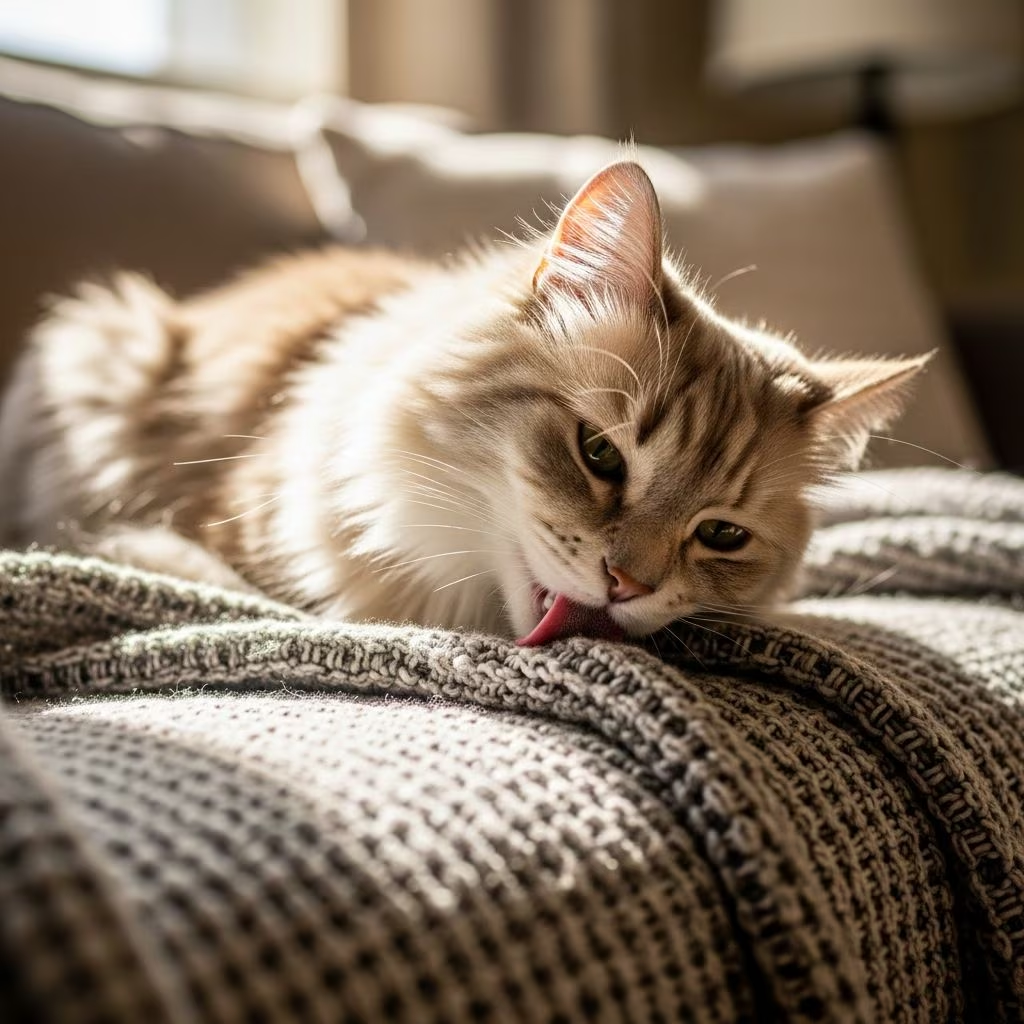
Why Does My Cat Lick My Blanket? Understanding Common Feline Behavior
If you’ve ever settled in for a cozy moment with your cat only to have them start enthusiastically licking your blanket, you’re not alone. This peculiar behavior is surprisingly common among feline companions, though it can range from endearing to downright unpleasant, especially when it results in spit-soaked bedding. While watching your kitty knead and lick may seem cute at first, understanding the reasons behind this behavior is essential for your cat’s health and your peace of mind.
Cat behavior specialists and veterinarians have identified multiple reasons why cats engage in blanket licking, though many aspects of this behavior remain not fully understood. The causes can range from harmless habits and contentment to serious health conditions that require veterinary attention. By learning what drives your cat to lick your blanket, you can better address the underlying issue and determine whether intervention is necessary.
The 7 Reasons Why Your Cat Licks Your Blanket
1. Pica or Other Health Disorders
One of the most concerning reasons your cat may be licking your blanket is pica, a condition where animals develop an urge to consume inedible items. If your cat is attempting to eat the carpet, blankets, dirt, or other non-food materials, they may be suffering from pica. This behavioral or medical condition can indicate several underlying issues, including dietary deficiencies, metabolic problems, or even psychological disorders.
Pica is particularly worrisome because cats that actually swallow pieces of blanket fabric or other foreign materials risk developing intestinal blockages, a potentially life-threatening condition requiring emergency veterinary care. If you notice your cat actively ingesting blanket fibers rather than simply licking them, or if the behavior appears suddenly, contact your veterinarian immediately. Your vet can rule out nutritional deficiencies, gastrointestinal parasites, or other medical conditions contributing to this behavior.
2. Separated From Their Mothers Too Early
Cats that were separated from their mothers before reaching 8 weeks of age often develop a persistent need to suck and lick soft materials. This behavior, known as wool sucking, mimics the natural nursing behavior kittens would normally engage in with their mothers. When these cats encounter soft textures like blankets, they may obsessively lick or even attempt to suckle on the fabric.
This behavior provides comfort and security to cats with early weaning trauma, reminding them of the nurturing bond they lost prematurely. The licking is often accompanied by kneading, where the cat alternates pushing their front paws back and forth, further replicating the nursing experience. While this behavior is generally harmless if the cat isn’t ingesting the material, understanding its origin can help you provide appropriate comfort items and environmental enrichment for your cat.
3. Food Stains on Blankets
Sometimes the explanation for blanket licking is straightforward: your cat smells food. Cats possess an extraordinarily powerful sense of smell, far superior to humans, and can detect even trace amounts of food or drink residue on fabric. If you’ve accidentally dropped food on your blanket or spilled a beverage and forgot to clean it up thoroughly, your curious feline may be drawn to investigate and lick away the enticing odors.
This is one of the easiest problems to solve. Regularly washing your blankets, especially after meals or snacks, can eliminate food-related licking triggers. Additionally, you can apply cat-safe repellent sprays with scents that discourage feline interest, such as citrus or certain herbal fragrances. Keeping your sleeping area clean not only reduces blanket licking but also promotes better overall hygiene and sleep quality.
4. Anxiety and Stress-Related Behavior
Cats experiencing anxiety or stress often engage in excessive grooming and licking behaviors as a self-soothing mechanism. If you’ve recently moved, altered your cat’s daily routine, introduced a new pet to your household, or experienced other environmental changes, your cat may be using blanket licking to cope with their emotional distress.
To help reduce anxiety-driven blanket licking, consider these interventions:
- Spray calming pheromone products throughout your home, such as Feliway, which mimic natural feline pheromones
- Use pheromone diffusers in areas where your cat spends the most time
- Identify specific stressors and work to eliminate or minimize them
- Create safe spaces where your cat can retreat and feel secure
- Maintain consistent daily routines to provide predictability
If anxiety-related blanket licking persists despite your efforts, consult your veterinarian. They may recommend behavioral modification techniques, environmental adjustments, or in some cases, anti-anxiety medication to help your cat feel more relaxed.
5. Certain Breed Predisposition
Certain cat breeds, particularly Siamese and other Oriental breeds, demonstrate a genetic predisposition toward blanket and fabric licking. This breed-specific behavior, often referred to as wool sucking, appears to have a hereditary component that influences feline behavior across generations.
Research has identified several risk factors for fabric licking in predisposed breeds:
- An abnormally increased appetite or oral fixation
- Underlying medical conditions specific to Siamese cats
- Small litter size during kittenhood
- Early weaning in Birman cats and related breeds
Cats from these breeds may lick blankets simply because they find comfort in the behavior, enjoy the texture and taste, feel bored, or are seeking entertainment. If your cat is a Siamese, Birman, Tonkinese, or similar Oriental breed, blanket licking may be a normal expression of their genetic predisposition rather than a sign of a problem.
6. Your Cat Is Happy and Content
Not every instance of blanket licking indicates a problem. In many cases, cats lick blankets simply because they feel extremely content and secure. If your blanket carries your scent, your cat may be drawn to lick it as a way of reinforcing the bond between you and marking the blanket as part of their safe territory.
Happy cats often lick blankets while kneading, purring, and displaying other signs of contentment such as slow blinks and relaxed body language. This behavior is a positive indicator of your cat’s emotional well-being and their feeling of safety in your home. Rather than discouraging this harmless behavior, you might consider respecting your cat’s needs and allowing them to enjoy this self-soothing activity.
7. It’s Become a Habit
Sometimes there’s no complex explanation: your cat simply enjoys licking blankets and has developed the behavior into a habit. Cats, like humans, can become creatures of routine and may engage in repetitive behaviors simply because they find them enjoyable or because they’ve become bored and seek stimulation.
If blanket licking appears to stem from habit or boredom rather than anxiety or health issues, increasing your cat’s mental and physical stimulation can help redirect their energy toward more appropriate activities. Regular playtime, interactive toys, and environmental enrichment can significantly reduce the appeal of blanket licking.
When to Be Concerned: Signs Requiring Veterinary Attention
While occasional blanket licking is usually harmless, certain warning signs indicate you should consult your veterinarian:
- The behavior begins suddenly without previous history
- Your cat appears to be ingesting blanket fibers or other non-food items
- Blanket licking is accompanied by hair loss, skin lesions, or signs of itching
- Your cat displays other behavioral changes or seems unwell
- The licking is obsessive or excessive, occurring multiple times daily
- You suspect underlying health issues such as oral pain or dental disease
Your veterinarian can rule out medical conditions including pica, allergies, skin infections, dental problems, and gastrointestinal issues that might trigger or exacerbate blanket licking behavior.
Practical Solutions and Prevention Strategies
If your cat’s blanket licking has become problematic, several strategies can help manage or eliminate the behavior:
- Veterinary consultation: Schedule an appointment to rule out underlying health issues, oral pain, dental disease, and pica
- Increase mental stimulation: Provide puzzle feeders, interactive toys, and learning games to keep your cat mentally engaged
- Boost physical exercise: Engage in regular play sessions and provide opportunities for climbing, jumping, and running
- Environmental enrichment: Offer scratching posts, perches, window seats, and diverse toys to maintain interest
- Identify and reduce stressors: Minimize environmental changes and create safe spaces for your cat
- Provide designated blankets: Offer a specific blanket your cat can use if licking helps them feel better, protecting your own bedding
- Use positive reinforcement: Reward your cat with high-value treats when they stop licking and redirect to appropriate activities
- Remove triggers: Wash blankets regularly to remove food odors and apply cat-safe repellent scents
Managing Harmless vs. Problematic Blanket Licking
The key to addressing blanket licking is distinguishing between harmless behavior and concerning patterns. If your cat licks blankets as a sign of relaxation, comfort, and happiness—especially accompanied by purring and kneading—it’s generally best to respect their needs and allow the behavior to continue. You might even provide your cat with their own designated blanket specifically for licking, which protects your sleeping blankets from spit-soaked covers while allowing your cat their comfort-seeking ritual.
However, always supervise your cat to ensure they don’t accidentally ingest blanket fibers, as ingested material poses a risk for potentially fatal gastrointestinal blockages. If the behavior transitions from licking to chewing or eating fabric, intervention becomes necessary.
Frequently Asked Questions
Q: Is blanket licking dangerous for my cat?
A: Blanket licking itself isn’t inherently dangerous, but it becomes concerning if your cat ingests fabric pieces, which can cause intestinal blockages. Monitor your cat to ensure they’re licking rather than eating the material.
Q: Can blanket licking indicate a medical problem?
A: Yes, sudden onset blanket licking or excessive behavior can indicate pica, allergies, dental disease, or skin conditions. If the behavior is new or severe, consult your veterinarian to rule out health issues.
Q: My kitten was separated from their mother early—will they always lick blankets?
A: Early-weaned cats may have a lifelong tendency toward wool sucking, but providing appropriate comfort items and environmental enrichment can help manage the behavior constructively.
Q: How can I stop my cat from licking my blanket?
A: First, identify the underlying cause through veterinary consultation. Then implement solutions like increasing stimulation, providing a designated blanket, using pheromone products for anxiety, maintaining cleanliness to remove food odors, and applying cat-safe repellents.
Q: Should I punish my cat for licking blankets?
A: No, punishment is ineffective and can increase anxiety. Instead, use positive reinforcement by rewarding your cat when they engage in appropriate activities, and redirect their attention to toys and enrichment.
Q: Are certain cat breeds more prone to blanket licking?
A: Yes, Siamese and other Oriental breeds have a genetic predisposition toward wool sucking. If your cat is from one of these breeds, blanket licking may be a normal breed characteristic rather than a behavioral problem.
Conclusion: Understanding Your Cat’s Blanket Licking Behavior
Cat blanket licking is a multifaceted behavior with numerous potential causes, ranging from simple contentment to serious health concerns. By understanding these seven primary reasons—pica, early weaning effects, food stains, anxiety, breed predisposition, happiness, and habit—you’re better equipped to interpret your cat’s behavior and respond appropriately.
The most important first step is consulting your veterinarian to rule out underlying health conditions. Once medical issues are excluded, you can focus on environmental modifications, behavioral enrichment, and understanding whether your cat’s blanket licking represents harmless comfort-seeking or problematic behavior requiring intervention.
Remember that if your cat licks blankets as a positive self-soothing behavior associated with happiness and relaxation, it’s often best to let them indulge in this harmless ritual. Providing a designated blanket for licking preserves your own bedding while respecting your cat’s emotional needs. However, always maintain supervision to prevent accidental ingestion, and don’t hesitate to contact your veterinarian if you notice changes in the behavior or suspect underlying health issues.
References
- Why Does My Cat Lick My Blanket? 7 Vet-Verified Reasons for This Behavior — Catster. 2024. https://www.catster.com/cat-behavior/why-does-my-cat-lick-my-blanket/
- Why Is My Cat Licking My Blanket? Unraveling Feline Mysteries — Puffy. 2025. https://puffy.com/blogs/best-sleep/why-is-my-cat-licking-my-blanket
- Why is My Cat Licking the Carpet? — Billings Animal Family Hospital. 2024. https://billingsanimalfamilyhospital.com/post/why-is-my-cat-licking-the-carpet
- Why Cats Licking Everything? Pica, Stress & Nausea — Lady N Pet. 2025. https://ladynpet.com/us/blog/why-is-my-cat-licking-everything/



