

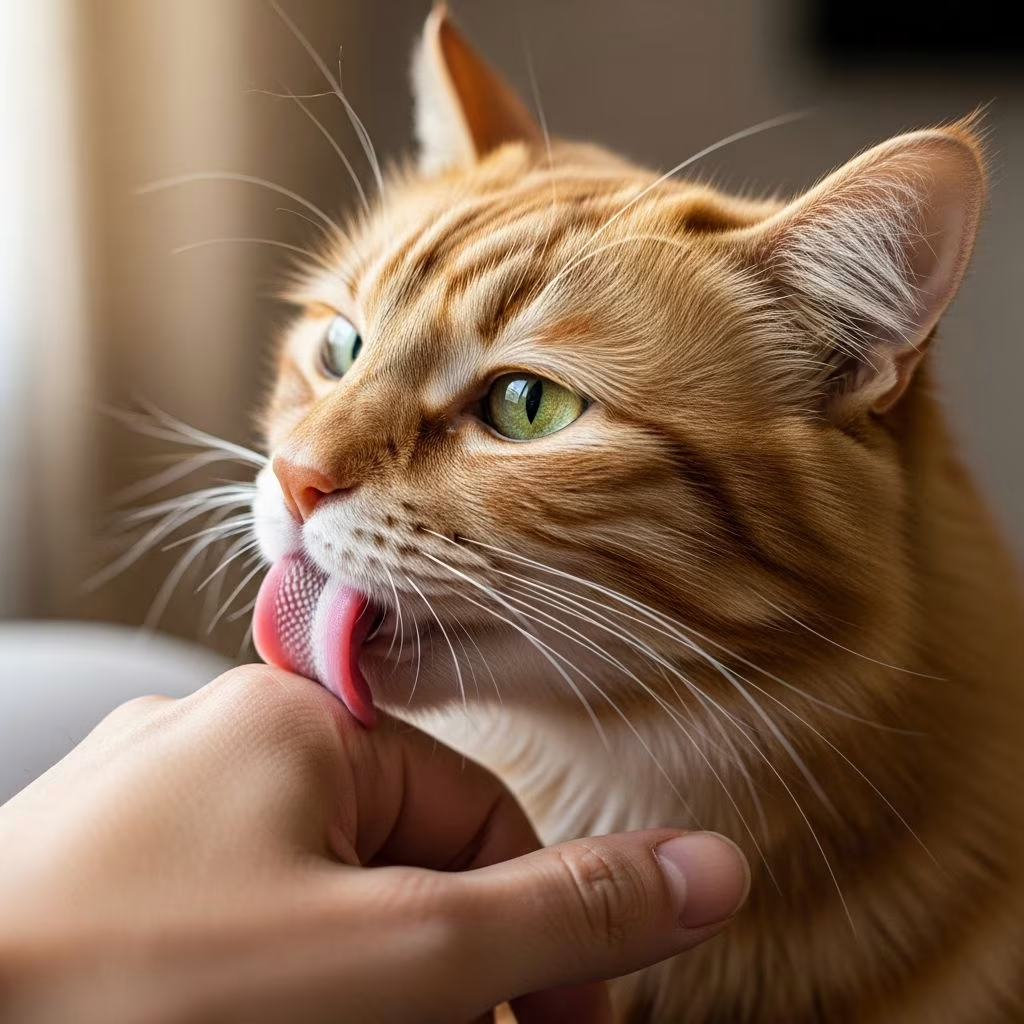
Why Does My Cat Lick Me?
Cat owners often wonder why their feline friends insist on licking them. While it may seem odd or even a little annoying at times, licking is a natural behavior for cats and can have several meanings. Scientists have not fully decoded every reason behind this behavior, but there are several well-supported theories that explain why cats lick their owners. From expressing affection to seeking attention, identifying you as part of their group, and even displaying kitten-related behaviors, there are many reasons your cat might be grooming you.
1. Your Cat Is Expressing Affection
One of the most common reasons cats lick their owners is to show affection. In the cat world, grooming is a social activity that strengthens bonds between individuals. Mother cats groom their kittens, and adult cats often groom each other in a behavior known as allogrooming. When your cat licks you, they may be treating you as part of their social group, nurturing your relationship just as they would with another cat.
- Allogrooming is a friendly, altruistic behavior.
- It strengthens social bonds among cats.
- When your cat licks you, they may be expressing affection and nurturing your relationship.
2. Your Cat Is Seeking Attention
Cats are intelligent animals and quickly learn which behaviors get them the attention they want. If you respond to your cat’s licking by talking to them, petting them, or otherwise interacting, your cat may have learned that licking is an effective way to get your attention. This behavior is often reinforced by your positive responses, making it more likely that your cat will continue to lick you in the future.
- Cats may lick to get attention.
- Positive responses from owners reinforce this behavior.
- Over time, cats may learn that licking is an effective way to get what they want.
3. Your Cat Is Identifying You as Part of the Group
Cats communicate by marking objects and other animals with their scents. One reason mother cats lick their kittens is to create a familiar group scent. Similarly, your cat may lick you as a way of identifying you as part of their group. This behavior helps to establish a sense of belonging and security for your cat.
- Cats mark objects and animals with their scents.
- Licking helps create a familiar group scent.
- This behavior helps establish a sense of belonging and security.
4. Your Cat Is Displaying Kitten-Related Behavior
Kittens knead and suckle when nursing. If your cat was weaned too early, they may have started licking you as a way to seek the comfort reminiscent of nursing. In this case, your cat may also knead and purr as they lick you. This behavior is a sign that your cat is seeking comfort and security.
- Kittens knead and suckle when nursing.
- Cats weaned too early may seek comfort through licking.
- This behavior may be accompanied by kneading and purring.
5. Your Cat Likes Your Taste
Your cat may lick your skin or hair to investigate interesting scents or odors, such as an appetizing lotion, shampoo, or other topical product. Human sweat also contains sugar and salts that cats may find appealing. However, it’s important to note that some topical products can be harmful or even toxic to cats, so it’s best to avoid letting your cat lick you after applying such products.
- Cats may lick to investigate interesting scents or odors.
- Human sweat contains sugar and salts that cats may find appealing.
- Some topical products can be harmful or toxic to cats.
6. Your Cat Is Anxious
Licking may represent a displacement behavior, which is a behavior that a cat performs to alleviate stress. Stress more commonly leads to excessive self-grooming, but the licking may be directed toward you as well. If your cat’s anxiety is left untreated, the licking may progress to a compulsive behavior, at which point the licking takes over your cat’s life. It’s important to identify any triggers for the licking, such as visitors in your home or loud noises, and try to remove them from your cat’s environment.
- Licking can be a displacement behavior to alleviate stress.
- Stress may lead to excessive self-grooming or licking others.
- Identify and remove triggers for the licking behavior.
7. Medical Conditions
In some cases, excessive licking can be a sign of an underlying medical condition. Cats with urinary tract infections, bladder stones, or anal gland impaction may lick their genital or anal areas for an extended period after urinating or between eliminations. They may also urinate more frequently, strain to urinate, or produce very little urine. If you notice any of these symptoms, it’s important to consult your veterinarian.
- Excessive licking can be a sign of a medical condition.
- Urinary tract infections, bladder stones, and anal gland impaction can cause excessive licking.
- Consult your veterinarian if you notice any concerning symptoms.
When to Be Concerned About Licking
While occasional licking is normal, excessive licking can be a sign of a problem. If your cat is licking themselves bald or seems to want to lick you bald, it may be a sign of stress or an underlying medical condition. It’s important to monitor your cat’s behavior and consult your veterinarian if you notice any changes.
- Occasional licking is normal.
- Excessive licking can be a sign of stress or a medical condition.
- Monitor your cat’s behavior and consult your veterinarian if necessary.
FAQs
Is it normal for cats to lick their owners?
Yes, it is normal for cats to lick their owners. Licking is a natural behavior for cats and can have several meanings, from expressing affection to seeking attention.
Can licking be a sign of anxiety in cats?
Yes, licking can be a sign of anxiety in cats. If your cat is licking excessively, it may be a sign of stress or an underlying medical condition.
Should I be concerned if my cat licks me after I apply lotion?
Yes, you should be concerned if your cat licks you after you apply lotion. Some lotions and topical products can be harmful or even toxic to cats.
What should I do if my cat is licking excessively?
If your cat is licking excessively, it’s important to monitor their behavior and consult your veterinarian. Excessive licking can be a sign of stress or an underlying medical condition.
Can cats lick to show affection?
Yes, cats can lick to show affection. Licking is a social activity that strengthens bonds between cats and their owners.
References
References
- Why Does My Cat Lick Me? 7 Common Reasons — PetMD. 2023-05-15. https://www.petmd.com/cat/behavior/why-does-my-cat-lick-me
- Why Cats Lick Their Privates — VCA Animal Hospitals. 2023-05-15. https://vcahospitals.com/know-your-pet/why-do-cats-lick-their-privates-in-public
- Six Ingenious Reasons Cats Lick Themselves (And When to be Concerned) — Rover. 2023-05-15. https://www.rover.com/blog/six-ingenious-reasons-cats-lick-themselves-and-when-to-be-concerned/



