

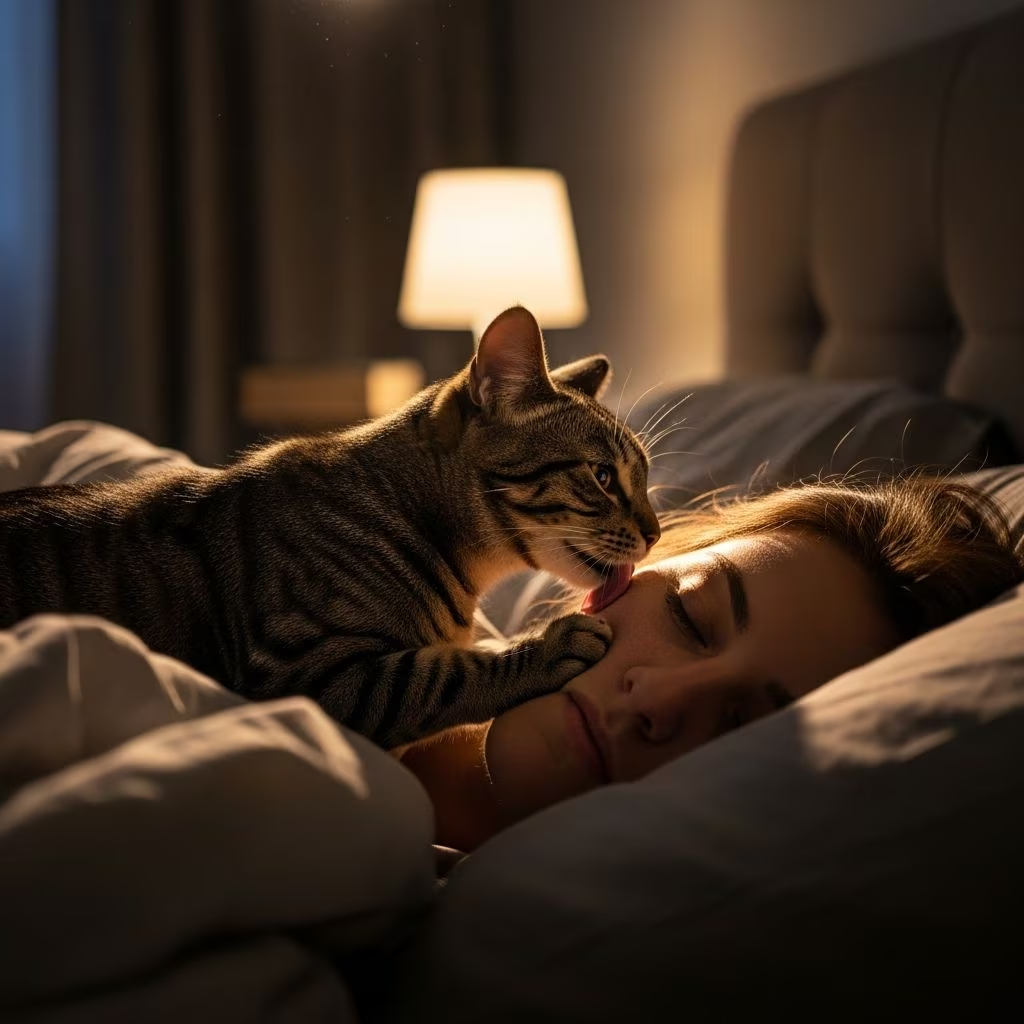
If you’re a devoted cat owner, you’ve likely experienced the surprise wake-up call of a rough, sandpaper-like tongue on your skin in the dead of night. Cats are notorious for their quirky behaviors, and nighttime licking stands out as particularly puzzling—and often unwelcome. But this isn’t random mischief; it’s rooted in your feline’s instincts, emotions, and needs.
In this comprehensive guide, we’ll explore the five primary reasons why your cat chooses the witching hour for a grooming session, drawing from veterinary insights and feline behavior science. We’ll also cover how to address it humanely, ensuring both you and your cat get a peaceful night’s rest. Understanding these motivations strengthens your bond and helps you respond effectively.
The 5 Possible Reasons Why Your Cat Licks You in the Middle of the Night
Cats lick for a variety of instinctual reasons, amplified at night when you’re still and accessible. Their tongues, equipped with hundreds of backward-facing keratin spines called papillae, act like natural combs for grooming. Here’s a breakdown of the top explanations:
1. To Groom You (Because You’re ‘Family’)
Cats view excessive cleanliness as essential, and their superior senses detect even faint odors on your skin from the day’s activities. During daylight hours, you’re often moving, working, or out of reach, so they seize the nighttime opportunity when you’re stationary for a thorough cleanup.
This grooming ritual originates from kittenhood, where mother cats lick their young to stimulate elimination, remove debris, and reinforce hygiene. By extending this to you, your cat includes you in their social colony, signaling deep trust and affection. Cornell University veterinary experts note that such licking establishes group bonds, much like in wild feline prides. It’s a privilege, but the timing disrupts sleep—consider it your cat’s version of a midnight spa treatment gone awry.
- Key signs: Focused on sweaty areas like arms, face, or feet.
- Frequency: More common in multi-cat homes or after you’ve interacted with other animals.
2. To Bond and Show Affection
Grooming is the pinnacle of feline love language. Kittens learn it from their mothers, who lavish licks to nurture and comfort. Adult cats carry this forward, using licks to express devotion to chosen humans. Your cat doesn’t check the clock; affection strikes whenever the urge hits, often intensifying at night when proximity is easiest.
Behaviorists explain this as allogrooming—a social behavior that releases oxytocin, the ‘bonding hormone,’ in both cats and owners. If your cat kneads, head-butts, or curls up with you beforehand, the lick is likely pure endearment. Disruptions like this remind owners of the profound, maternal-style attachment cats form, treating you as family regardless of species.
| Affectionate Licking vs. Other Motives | Description | Timing |
|---|---|---|
| Affection | Gentle, intermittent licks on face/neck | Anytime, especially cuddles |
| Grooming | Persistent, scrub-like on limbs | Night, when still |
| Marking | Rubbing + licking after absences | Post-interaction with others |
3. To Mark You as Their Territory
Cats are territorial by nature, and you are squarely in their domain. Licking deposits scent from glands in their mouth onto your skin, broadcasting ownership to rival felines (or even dogs). This is especially triggered if you’ve been around other pets, carrying unfamiliar smells home.
Observe heightened licking after visits to friends with cats or park outings. Your cat isn’t jealous in a human sense but instinctively reclaims you through scent-mixing. Feline behavior studies confirm saliva contains pheromones that mingle with your natural odor, creating a unique ‘colony scent.’ Nighttime provides uninterrupted access to reinforce this claim, ensuring no stray scents linger by morning.
- Tips to reduce: Wash hands after petting others; provide extra rubbing posts for scent transfer.
4. Your Skin is Salty (or Tasty)
Human sweat contains sodium chloride, which tantalizes many cats’ taste buds. Post-workout or in warm climates, your skin becomes a salty snack bar. Cats’ acute sense of smell detects this from afar, drawing them in for a lick—especially at night when cooler temperatures concentrate flavors on exposed skin.
This mirrors wild cats licking mineral deposits for nutrition. Vets note it’s harmless in moderation but can escalate if your cat craves specific tastes like lotion residues (avoid toxic ones like those with xylitol). Offer salt-free alternatives like lickable treats to redirect.
5. Your Cat is Anxious or Stressed
Excessive licking signals underlying distress in cats, serving as a self-soothing displacement behavior. Changes like new furniture, household guests, or your altered routine can trigger anxiety, prompting licks on you for comfort—just as they’d groom themselves excessively.
Cornell Feline Health Center reports this in response to pain (e.g., fleas, allergies), environmental shifts, or empathy for your stress. If licking pairs with hiding, vocalizing, or over-grooming bald spots, consult a vet to rule out medical issues like hyperesthesia syndrome. Nighttime isolation amplifies this, making you their security blanket.
Why the Middle of the Night? Feline Circadian Rhythms Explained
Cats are crepuscular—most active at dawn and dusk—leading to peak energy around 3-5 AM. Your deep sleep phase coincides with their ‘hunt-play-groom’ window, explaining the timing. Combined with instincts, this creates the perfect storm for licks. Indoor cats, lacking outlets, channel energy toward you.
Is Nighttime Licking Harmful?
Rarely, but watch for over-licking causing skin irritation or allergies from transferred bacteria. Cat saliva can transmit pasteurella, though human infections are uncommon. The real issue is sleep deprivation for you.
Stopping Your Cat from Licking You at Night: Vet-Approved Strategies
While endearing, rough papillae tongues aren’t bedtime-friendly. Punishment backfires, increasing stress and attention-seeking. Instead, use positive redirection:
- Pre-bed play marathon: 15-20 minutes of feather toys or laser pointers to exhaust them. Tired cats sleep through the night.
- Bedroom access control: Gently close the door or use a pet gate. Provide a cozy alternative bed nearby with your worn clothing for scent comfort.
- Daytime enrichment: Puzzle feeders, window perches, and vertical spaces reduce boredom-fueled licks.
- Distraction treats: Lick mats with tuna puree mimic the action safely.
- Stress relief: Pheromone diffusers (Feliway) calm anxious lickers; consult vets for anxiety meds if persistent.
Avoid yelling or shoving—negative attention reinforces behavior. Consistency yields results in 1-2 weeks.
Frequently Asked Questions (FAQs)
Q: Is it normal for my cat to lick me excessively at night?
A: Yes, it’s common and usually affectionate or instinctual, but excess may signal stress or health issues—monitor and vet-check if new.
Q: Why does my cat lick my face specifically?
A: Faces carry strong scents; it’s intimate bonding, akin to mother-kitten grooming.
Q: Should I let my cat lick me?
A: Occasional licks are fine for bonding, but discourage at night to protect sleep and skin.
Q: What if licking suddenly increases?
A: Rule out medical causes like allergies or pain via vet exam; environmental tweaks help otherwise.
Q: Can diet affect licking behavior?
A: Nutrient deficiencies (e.g., salt) may contribute; high-quality food reduces cravings.
Enhancing Your Bond Beyond Licks
Channel affection into mutual activities: interactive play, gentle brushing (mimics grooming), or synchronized nap times. Understanding equips you to meet needs proactively.
References
- Cats that Lick Too Much — Cornell University College of Veterinary Medicine. 2023-05-15. https://www.vet.cornell.edu/departments-centers-and-institutes/cornell-feline-health-center/health-information/feline-health-topics/cats-lick-too-much
- Why Does My Cat Lick Me in the Middle of the Night? — Catster (Veterinarian Reviewed). 2024-08-20. https://www.catster.com/cat-behavior/why-does-my-cat-lick-me-in-the-middle-of-the-night/
- Why Does My Cat Groom Me? Is This Normal? — Chewy Education (Vet Insights). 2024-11-10. https://www.chewy.com/education/cat/training-and-behavior/behavior-pet-body-language-why-does-my-cat-lick-me
- Why Cats Lick: Feline Behavior Guide — Blue Buffalo Pet Experts. 2023-09-05. https://www.bluebuffalo.com/articles/cat/why-does-my-cat-lick-me/
- Compulsive Grooming in Cats — American Veterinary Medical Association (AVMA). 2024-02-28. https://www.avma.org/resources-tools/pet-owners/petcare/compulsive-grooming-cats



