

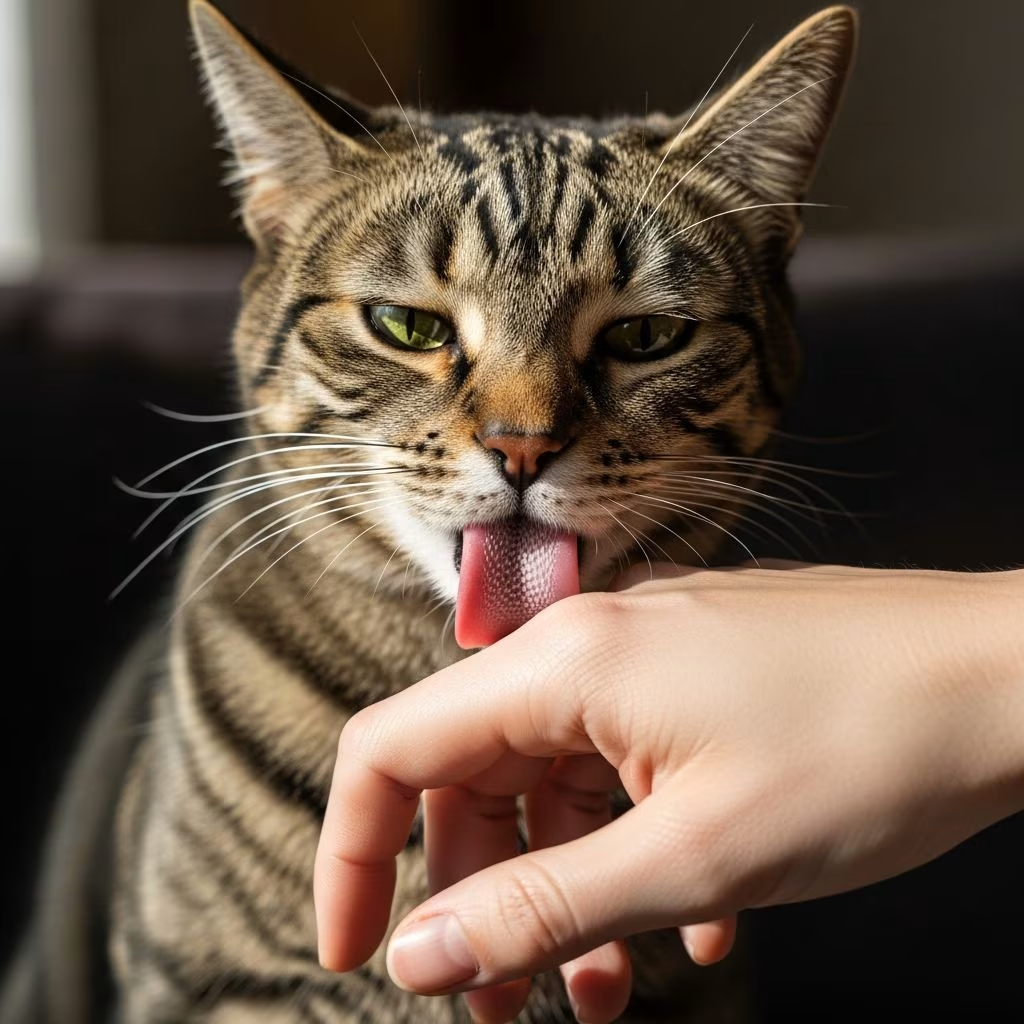
Your cat’s rough tongue gliding across your skin can feel like sandpaper affection. But why does your cat lick you? This behavior, far from random, reveals deep insights into feline communication, social bonds, and even health. Cats lick for multiple reasons rooted in their instincts: to groom, bond, mark territory with scent, seek attention, or self-soothe during stress. Understanding these motivations strengthens your relationship and helps spot when licking signals a problem.
In the wild, cats groom to maintain hygiene and reinforce social ties. Domestic cats extend this to humans, treating you as family. While most licks are loving, excessive or sudden changes warrant attention. This guide breaks down the science, drawing from veterinary and behavioral experts, to decode your cat’s tongue twitches.
4 Key Reasons Cats Lick Their Humans
Cats don’t lick owners because we taste like tuna or need a bath. Instead, it’s a multifaceted behavior blending instinct and emotion. Here are the primary drivers:
1. Bonding Through Allogrooming
Allogrooming—mutual grooming between cats—builds trust in social groups. Mothers lick kittens clean, and bonded adults reciprocate. When your cat licks you, it’s inviting you into this ritual, signaling you’re pack.
This behavior releases endorphins, creating feel-good vibes for both. Studies on feline social dynamics show allogrooming strengthens hierarchies and reduces tension. Your cat sees you as kin, using licks to nurture the bond. It’s their version of a hug, affirming ‘you’re mine, and I care.’
Observe: Cats lick familiar faces or hands most, targeting scent glands like cheeks. Reciprocate gently with pets to reinforce positivity.
2. Scent Sharing and Territory Marking
Cats possess scent glands in paws, cheeks, and tails. Licking transfers saliva, mingling scents to create a ‘group aroma.’ This identifies you as safe, warding off outsiders.
By licking, your cat marks you with their unique profile, much like rubbing against furniture. This communal scent reassures them in multi-pet homes or new environments. Veterinary behaviorists note it’s prevalent in confident, secure cats asserting family ties.
Fun fact: Cat saliva contains pheromones that calm via the vomeronasal organ. Licking you spreads peace—literally.
3. Pleasure and Endorphin Release
Licking stimulates endorphin production, providing a natural high. Cats self-groom for this buzz, but extend it to loved ones for shared joy.
The rhythmic tongue motion mimics nursing, evoking comfort. If your cat licks blankets or toys too, it’s the euphoric ritual at play. This explains persistent licking even on ‘clean’ skin—it’s addictive bliss, not critique.
4. Attention-Seeking or Learned Behavior
Clever cats learn licking prompts reactions. A lick followed by pets or talk reinforces it. Positive responses train them: tongue out, human engages!
To curb if unwanted, ignore calmly. Withhold attention until licking stops; reward alternatives like sitting quietly. Consistency reshapes habits within weeks.
When Licking Signals Stress or Anxiety
Not all licks are loving. Excessive licking—rapid, obsessive, or paired with hiding—indicates distress. As displacement behavior, it distracts from anxiety triggers like noises, visitors, or changes.
- Triggers: New pets, moves, loud environments, or separation.
- Signs: Licking turns compulsive, targeting self or objects excessively.
- Risks: Untreated, escalates to fur loss or wounds from overgrooming.
Cats lick during unwanted handling to say ‘back off.’ Paired with flattened ears or tail twitches, it’s discomfort. Environment enrichment—towers, toys, pheromones—helps. Consult vets for persistent cases; anxiety meds may be needed.
Other Reasons: Taste, Medical Issues, and More
Beyond bonding, cats savor human sweat’s salt and sugars, especially post-workout. Lotions or shampoos intrigue too—but beware: many topicals are toxic (e.g., tea tree oil). Wipe skin pre-interaction.
Medical flags include nausea, pain, or allergies prompting random licks. Sudden onset? Vet check rules out issues like hyperthyroidism or skin conditions.
| Reason | Normal Signs | Concerning Signs |
|---|---|---|
| Bonding/Scent | Gentle, intermittent on face/hands | Non-stop, frantic pace |
| Attention | During petting sessions | Ignores toys/food for licking |
| Stress | After scares | Daily, with hiding/aggression |
| Taste/Medical | Sweaty skin only | Sudden increase, lethargy |
Why Does My Cat Lick Me Then Bite?
The infamous lick-bite combo confuses owners. It starts affectionate but ends with teeth. Reasons:
- Overstimulation: Pets overload sensitive skin; bite signals ‘enough!’ Watch for rippling skin, ear pinning.
- Play Aggression: Kittens practice hunting; licks groom, bites pounce.
- Redirected Frustration: Stress elsewhere prompts gentle nips.
Response: Pause interaction at early warnings. Short, targeted pets (cheeks, not belly) prevent escalation. Toys redirect energy.
How to Respond to Cat Licking
Embrace most licks as love letters. But manage wisely:
- Encourage Bonding: Offer cheeks; use Feliway diffusers for calm.
- Discourage Excess: Distract with toys; ignore pleas.
- Hygiene: Trim nails, wash post-lotion.
- Monitor Health: Log changes; vet if overgrooming appears.
Training tip: Teach ‘enough’ cues. Positive reinforcement builds boundaries.
Frequently Asked Questions (FAQs)
Why does my cat lick my face specifically?
Face licks target scent glands, maximizing bonding and marking. It’s intimate, like a feline kiss.
Is it bad if my cat licks me a lot?
Moderate is fine; excessive suggests stress or health issues. Vet evaluation recommended.
Why does my cat lick me then bite or run away?
Overstimulation or ‘had enough’ signal. Respect boundaries to avoid escalation.
Should I stop my cat from licking me?
Only if unwanted or risky (e.g., chemicals). Otherwise, enjoy the affection!
Do all cats lick their owners?
Most bonded ones do, varying by personality. Shy cats may lick less.
Conclusion: Embrace the Lick
Your cat’s licks weave a tapestry of trust, pleasure, and communication. From allogrooming roots to modern homes, it’s evolution in action. Attune to nuances—love most, investigate outliers. Deeper understanding fosters harmony, turning raspy tongues into relationship gold. (Word count: 1678)
References
- Why does my cat lick me? | Blog – Cats Protection — Cats Protection. 2023-05-12. https://www.cats.org.uk/cats-blog/why-does-my-cat-lick-me
- Why Does My Cat Lick Me? 7 Common Reasons – PetMD — PetMD (Veterinary Partner). 2024-08-15. https://www.petmd.com/cat/behavior/why-does-my-cat-lick-me
- What It Means When a Cat Licks You – Broomfield Veterinary Hospital — Broomfield Veterinary Hospital. 2023-11-20. https://broomfieldvet.com/blog/when-a-cat-licks-you/
- Why Your Cat Licks You Then Bites You – Arvada Vet Hospital — Arvada Veterinary Hospital. 2024-02-10. https://arvadavethospital.com/blog/why-your-cat-licks-you-then-bites-you/
- Why Does My Cat Lick Me? Cat Licking Behavior Explained — Angels to the Animals. 2023-07-05. https://angelstotheanimals.org/blogs/f/why-does-my-cat-lick-me-cat-licking-behavior-explained



