

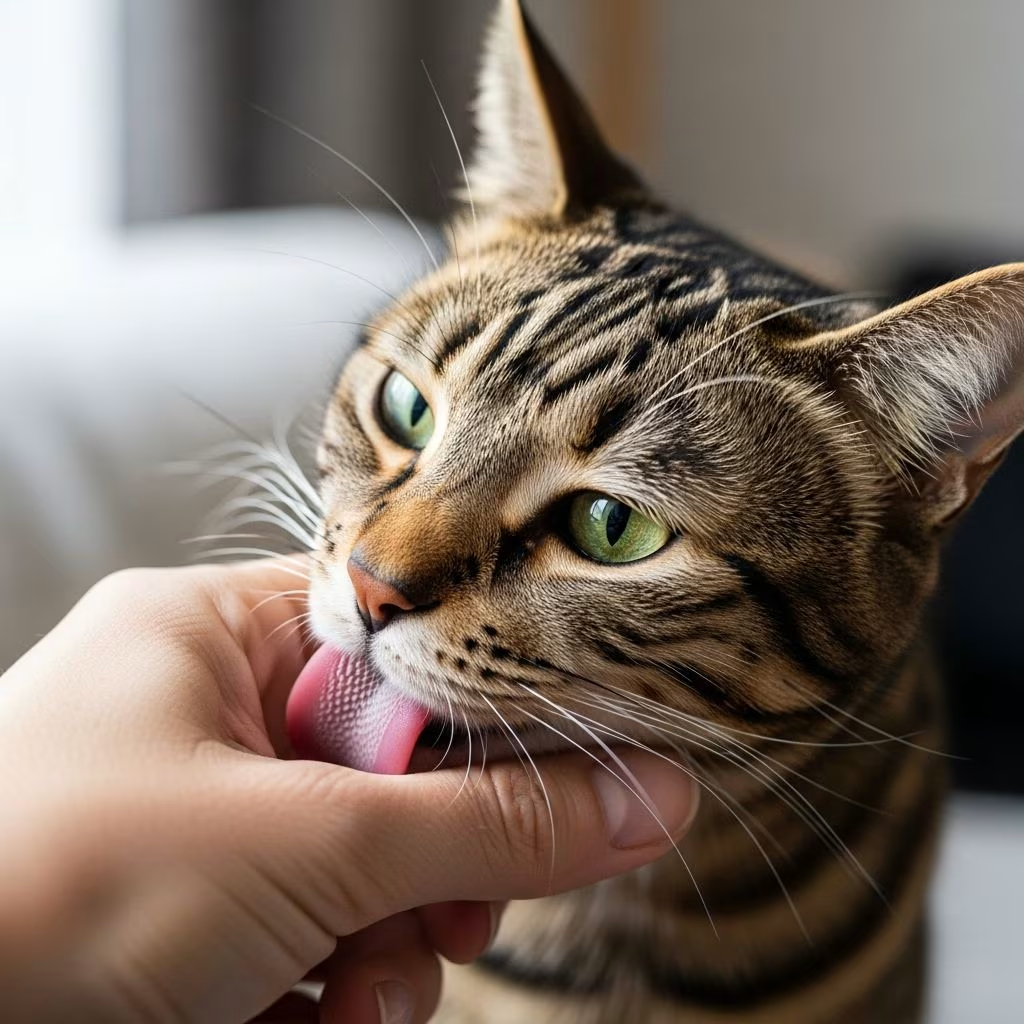
Why Does My Cat Lick Me? Understanding Your Cat’s Affectionate Behavior
If you’ve ever wondered why your cat licks you, you’re not alone. Feline licking is one of the most endearing behaviors cat owners experience, yet it can also be puzzling and sometimes uncomfortable. Understanding the reasons behind your cat’s licking behavior is essential for building a stronger bond with your pet and recognizing what your feline friend is trying to communicate. Cats use licking as a primary form of communication, expressing emotions ranging from affection and trust to anxiety and illness. By decoding these signals, you can better respond to your cat’s needs and ensure their emotional and physical wellbeing.
The Reasons Why Cats Lick Their Owners
Showing Affection and Trust
One of the most common reasons your cat licks you is to show affection and demonstrate trust. When a cat licks their owner, they’re engaging in a bonding behavior that mimics how mother cats groom their kittens. This grooming ritual, known as allogrooming, serves multiple purposes in the feline world. By licking you, your cat is claiming you as part of their family unit and signaling that they feel safe and secure in your presence. This behavior typically occurs when cats are relaxed, content, and seeking positive interaction with their favorite humans.
Marking Territory and Scent Communication
Cats possess scent glands throughout their bodies, including around their mouths and on their paws. When your cat licks you, they’re depositing their scent onto your skin, essentially claiming you as part of their territory. This territorial marking behavior is completely normal and indicates that your cat considers you an important member of their social group. Cats engage in this behavior with other cats they’re bonded with, so when your feline friend licks you, they’re extending this significant gesture to you as well.
Seeking Attention and Care
Sometimes, your cat may lick you as a way to get your attention or request care. Kittens lick their mother cats to stimulate feeding and grooming, and adult cats may replicate this behavior with their owners when they want food, playtime, or affection. If your cat approaches you and begins licking, they might be asking for something specific. Pay attention to the timing and context of the licking behavior—does it happen at feeding time? Before playtime? Understanding these patterns helps you interpret what your cat needs.
Social Bonding and Pack Mentality
Cats are more social creatures than many people realize, and licking serves as a critical bonding mechanism within feline social hierarchies. When your cat licks you, they’re reinforcing your relationship and creating a stronger emotional connection. This behavior is particularly common among cats that have been socialized with humans from an early age and view their owners as part of their family unit. Regular grooming through licking helps maintain social bonds and establishes a sense of security within the household.
Stress Relief and Self-Soothing
Licking can also serve as a self-soothing behavior for anxious or stressed cats. When faced with uncertainty or discomfort, some cats will lick themselves or their owners as a way to calm down and regulate their emotions. If your cat is licking you excessively or at unusual times, it might indicate they’re experiencing stress or anxiety. Consider environmental changes, schedule disruptions, or other stressors that might be affecting your cat’s emotional state.
Decoding Different Types of Cat Licking Behavior
Gentle, Intermittent Licking
When your cat gives you occasional soft licks, typically on your hands, face, or arms, this is usually a positive sign of affection. These gentle licks are generally accompanied by other positive body language signals such as slow blinks, relaxed ears, and purring. This type of licking behavior indicates your cat is content and comfortable in your presence.
Rapid or Intense Licking
If your cat is licking you rapidly or intensely, they may be expressing heightened emotion—either positive excitement or underlying stress. Context matters significantly here. During playtime or when they’re particularly enthusiastic about greeting you, rapid licking might simply indicate excitement. However, if accompanied by signs of stress such as dilated pupils, flattened ears, or a tucked tail, the behavior might signal anxiety or discomfort.
Licking Specific Body Parts
Cats often show preferences for licking particular areas of their owner’s body. Many cats enjoy licking their owner’s face, ears, or hair, which relates to grooming and bonding. If your cat focuses on licking a specific area of your body repeatedly, they may be attempting to groom you or draw attention to something they perceive as needing care.
Excessive or Obsessive Licking
If your cat has suddenly begun licking you excessively or obsessively, this may indicate an underlying health or behavioral issue. Excessive licking can sometimes signal medical problems such as allergies, skin conditions, or parasites. It can also indicate behavioral issues like anxiety, boredom, or stress. If you notice a significant change in your cat’s licking behavior, consult with your veterinarian to rule out health concerns.
Cat Body Language Signals Associated with Licking
To better understand what your cat means when they lick you, pay attention to accompanying body language signals. Cats rarely communicate with just one signal; instead, they combine multiple physical cues to convey their complete message.
| Body Language Signal | Meaning When Paired with Licking |
|---|---|
| Slow blinking eyes | Trust and affection; your cat feels safe with you |
| Forward-facing ears | Alert interest and positive engagement |
| Relaxed or gently swaying tail | Contentment and positive mood |
| Purring | Deep satisfaction and comfort |
| Dilated pupils | Excitement or possibly stress; context is essential |
| Flattened ears | Anxiety or stress; your cat may be uncomfortable |
| Low or tucked tail | Fear or submission; your cat may need space |
| Arched back with raised fur | Fear or defensive posture; stop interaction |
When your cat approaches you with forward ears, relaxed body posture, soft eyes, and a gently raised tail while licking, they’re communicating contentment and affection. Conversely, if licking is accompanied by pinned-back ears, dilated pupils, or a low tail position, your cat may be stressed or uncomfortable.
Understanding the Context of Your Cat’s Licking
Timing and Frequency Patterns
Pay attention to when and how often your cat licks you. Does it happen during specific times of day? Does your cat lick you more when you’re stressed or sad? Some cats seem to sense their owner’s emotional state and offer comfort through licking and physical closeness. If licking occurs primarily at feeding times, your cat may be expressing hunger. If it happens when you return home, your cat is likely greeting you and reaffirming your bond.
Environmental Factors
Changes in your cat’s environment can influence their licking behavior. New pets, moving to a new home, changes in routine, or household stress can all affect how frequently and intensely your cat licks. Creating a calm, predictable environment helps your cat feel secure and may reduce stress-related licking.
Your Cat’s Age and History
Younger cats and those who were socialized with humans from an early age tend to lick more frequently as part of bonding behavior. Older cats or those with uncertain early socialization may lick less often. If you’ve recently adopted an adult cat, they may gradually increase their licking behavior as they become more comfortable with you and establish trust.
How to Respond to Your Cat’s Licking
Accepting Affectionate Licking
When your cat is giving you gentle, affectionate licks, reciprocate the gesture by offering slow blinks, gentle petting, or soft verbal affirmations. This reinforces the positive bonding behavior and strengthens your relationship. Many cat behaviorists recommend the slow blink as a way to communicate affection back to your cat—it’s essentially a feline “I love you.”
Setting Boundaries
If your cat’s licking becomes uncomfortable, excessive, or disruptive, it’s okay to set gentle boundaries. You can redirect their attention to appropriate toys or activities, gently move away, or use positive reinforcement to encourage different behaviors. Avoid punishing your cat for licking, as this can damage your bond and increase stress.
Addressing Excessive Licking
If you notice a sudden increase in licking behavior, consult with your veterinarian. Medical issues such as allergies, skin conditions, or pain can cause excessive licking. Your vet can rule out health concerns and may recommend behavioral modifications or environmental adjustments if the issue is stress-related.
Encouraging Healthy Bonding
To foster positive licking behavior and strengthen your bond, provide regular interactive play sessions, maintain a consistent routine, and create a calm home environment. Ensure your cat has appropriate outlets for grooming behavior, such as interactive toys and scratching posts. A well-exercised, mentally stimulated cat is less likely to engage in problematic licking behaviors.
When to Be Concerned About Licking Behavior
While most cat licking is normal and healthy, certain patterns warrant attention:
– **Sudden changes in behavior**: If your normally affectionate cat suddenly stops licking or begins licking excessively, this may indicate a health or emotional issue.- **Obsessive patterns**: Repetitive licking of the same area could indicate allergies, parasites, or skin conditions.- **Licking accompanied by aggression**: If licking is followed by biting, swatting, or other aggressive behaviors, your cat may be overstimulated and need space.- **Health symptoms**: Excessive licking combined with hair loss, skin redness, or behavioral changes should prompt a veterinary visit.- **Stress indicators**: Licking paired with hiding, loss of appetite, or excessive meowing may signal anxiety or stress.
Frequently Asked Questions About Cat Licking
Q: Is it safe to let my cat lick my face?
A: While occasional face licking is generally harmless, it’s best to practice good hygiene. Cats’ mouths contain bacteria, so if you have open cuts or compromised immunity, limit face licking. Gently redirect your cat to lick your hands or arms instead if you’re uncomfortable.
Q: Why does my cat lick me and then bite?
A: This behavior, called “love biting,” often indicates overstimulation. Your cat may start grooming affectionately, but as they become more excited or their tolerance for touch decreases, they transition to gentle biting. Watch for signs of overstimulation like tail swishing or ear flattening, and give your cat space when you notice these signals.
Q: How can I tell if my cat’s licking is affectionate or a sign of stress?
A: Affectionate licking is usually accompanied by purring, slow blinking, forward ears, and a relaxed body posture. Stress-related licking often includes dilated pupils, flattened ears, a tucked tail, and may be more rapid or obsessive. Context and accompanying body language are key to interpretation.
Q: Should I be concerned if my cat licks me excessively?
A: Excessive licking warrants investigation. First, schedule a veterinary check to rule out medical issues like allergies or skin conditions. If your cat is healthy, consider environmental stressors or changes that might be causing anxiety. Your vet can recommend behavioral strategies or interventions if needed.
Q: Does licking mean my cat loves me?
A: Licking is generally a positive sign that indicates your cat trusts you and considers you part of their family. While cats may not love in the same way humans do, licking is definitely a sign of affection and bonding. Combined with other positive behaviors like purring and slow blinking, licking suggests your cat has formed a strong attachment to you.
Q: Why does my cat only lick certain people in the household?
A: Cats often have preferences for specific people based on past interactions, trust levels, and individual personality compatibility. If your cat licks only one family member, it may indicate they feel particularly safe and bonded with that person. Don’t worry if your cat prefers licking some household members over others—this is normal feline behavior.
References
- How to Read Cat Body Language: Ears, Eyes, and Tail Clues — Country Grove Veterinary Clinic. 2025-10-10. https://countrygrovevet.ca/2025/10/10/how-to-read-cat-body-language-ears-eyes-and-tail-clues/
- The Definitive Guide to Cat Behavior and Body Language — Tuft & Paw. https://www.tuftandpaw.com/blogs/cat-guides/the-definitive-guide-to-cat-behavior-and-body-language
- Understanding Cat Behavior and Feline Language — Humane World. https://www.humaneworld.org/en/resources/understanding-cat-behavior-and-feline-language
- Feline Feedback: Intro to Cat Body Language and Communication — My Family Cat. https://www.myfamilycat.com/cat-behavior-blog/cat-body-language
- Cat Body Language — Cats Protection. https://www.cats.org.uk/help-and-advice/cat-behaviour/cat-body-language
- Understanding Your Cat’s Behaviour — RSPCA. https://www.rspca.org.uk/adviceandwelfare/pets/cats/behaviour
- A Guide to the Basics of Cat Body Language and Behavior — Zoetis Pet Care. https://www.zoetispetcare.com/resources/cat-body-language-behavior



