

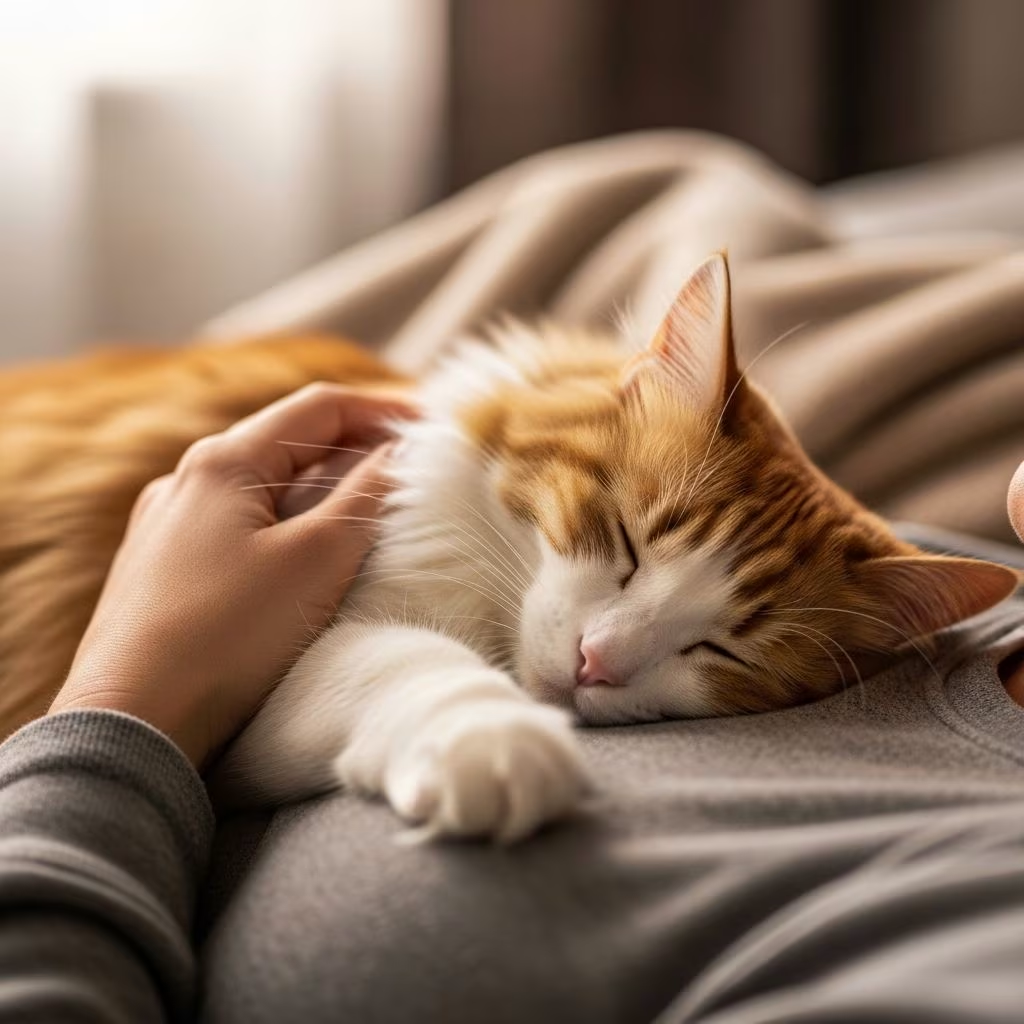
Your cat curling up on your chest is one of the most endearing behaviors in feline companionship. This intimate act isn’t random—it’s a profound expression of trust, affection, and instinctual needs. Cats, despite their independent reputation, seek out their humans for comfort in ways that reveal deep emotional bonds. In this comprehensive guide, we’ll explore the multiple reasons behind this habit, drawing from veterinary expertise and behavioral studies to help you understand your cat’s motivations.
Reasons Why Your Cat Lays on Your Chest
Cats exhibit this behavior for a variety of physiological, emotional, and social reasons. Understanding these can strengthen your relationship and ensure your cat’s well-being. Below, we break down the primary motivations, supported by insights from animal behaviorists and veterinarians.
1. Seeking Warmth and Comfort
Cats have a higher body temperature than humans, ranging from 99.5°F to 102.5°F, making them natural heat-seekers. Your chest is an ideal spot because it radiates consistent warmth from your core body heat, superior to blankets or heating pads. This preference intensifies in cooler weather, at night, or if your cat has thin fur or is older. The soft rise and fall of your breathing combined with this heat mimics the secure environment of a mother’s belly during kittenhood, providing a cozy, elevated perch.
Interestingly, cats often target the chest and face as the warmest areas. If you’re under blankets, they burrow in for extra insulation. This thermoregulation behavior traces back to wild ancestors who huddled for shared body heat. Allowing this can benefit both of you—studies suggest a cat’s purr vibrates at frequencies (25-150 Hz) that promote healing in human tissues, reducing stress and aiding recovery from illnesses.
2. Trust, Security, and Bonding
When your cat chooses your chest for napping, it’s a ultimate sign of vulnerability and trust. Cats are prey animals at heart, cautious about where they sleep. By exposing their belly and dozing off on you, they declare you a safe haven. The rhythmic sound of your heartbeat and breathing soothes them, reminiscent of nursing from their mother.
This ‘pillowing’—using you as a living pillow—is common among bonded cats and mirrors how they snuggle with feline family members. It’s not just comfort; it’s emotional security. Elderly, ill, or anxious cats may seek this elevated, protected spot to feel guarded from perceived threats. Reciprocate by petting gently to reinforce the bond.
3. Marking Territory with Pheromones
Cats are territorial by nature, and laying on your chest is a subtle claim-staking ritual. They rub scent glands on their cheeks, paws, and flanks against you, depositing pheromones that signal to other cats (or pets) that you’re ‘theirs’. This isn’t aggressive but affectionate ownership—your cat views you as part of their core territory.
Head-butts (bunting) and kneading often accompany this, mixing familiar scents for reassurance. It’s a compliment: you’re family, not just a servant. If you have multiple pets, this marking intensifies to assert priority access to you.
4. Listening to Your Heartbeat
The steady thump of your heart captivates many cats. Veterinarians note this draws them back to a primal comfort from kittenhood, when they’d nestle against mom’s chest. The vibration and rhythm promote relaxation, much like a lullaby for humans. Your voice from nearby adds to the calming effect, strengthening attachment.
5. Stress, Anxiety, or Health Signals
Sudden increases in chest-laying can signal emotional distress. Cats under stress from changes (new home, visitors, loud noises) seek reassurance by clinging closer, rather than hiding. It might indicate anxiety, illness, or even sensing your own discomfort (like a fever, drawing them to extra heat).
Monitor for other signs: lethargy, appetite changes, or vocalizing. A vet check is wise if this is new or excessive.
6. Affection and Love
Simply put, your cat loves you. Chest naps are overt affection, paired with purring, slow blinks, and tail twitches. They choose you over any bed because you’re warm, safe, and interactive—petting sessions ensue! This bond is mutual; many owners report improved mood from these cuddles.
7. Hunger or Practical Reasons
Positioned near your face, your cat ensures you’re awake for mealtime. Observant felines monitor breathing patterns, becoming clingy if detecting illness or irregularity. Backward sitting allows room surveillance while enjoying the perch.
8. Kneading and ‘Making Biscuits’
Kneading paws on your chest stems from kittenhood milk stimulation. It’s pure contentment and trust, often with drooling or purring. Provide a blanket to protect your skin.
Is It Healthy for My Cat to Sleep on My Chest?
Generally yes, promoting bonding and warmth. Benefits include reduced feline stress via purring and your calming heartbeat. For you, therapeutic purr frequencies may lower blood pressure and anxiety. However, watch for overheating (disrupt sleep), allergies (dander buildup), or breathing issues if overweight. Ensure good ventilation and hygiene; discourage if you have respiratory conditions.
| Pros | Cons |
|---|---|
| Strengthens bond | Potential overheating |
| Therapeutic purring | Allergen exposure |
| Security for cat | Sleep disruption |
What Should I Do When My Cat Lays on My Chest?
- Embrace it: Pet softly, speak calmly to enhance bonding.
- Provide alternatives: Heated beds or cat trees mimic the appeal.
- Set boundaries: Gently relocate if needed, using toys for distraction.
- Observe patterns: Note timing—cold spells or stress?
- Vet consult: For sudden changes or health concerns.
Frequently Asked Questions (FAQs)
Why does my cat lay on my chest at night?
Nights are cooler, and you’re still—perfect for warmth and security. It also ensures breakfast service!
Why does my cat lay on my chest backwards?
They prioritize a room view for vigilance while enjoying your heat, like a living perch.
Is it bad if my cat sleeps on my chest every night?
Not inherently, but monitor sleep quality and allergies. Offer cozy alternatives.
Why does my cat knead and purr on my chest?
Kneading recalls nursing comfort; purring signals happiness and self-soothing.
What if my cat suddenly started laying on my chest more?
Could indicate stress, cold, or health issues—consult a vet.
References
- Why Do Cats Lay on Your Chest? — Outward Hound. 2023. https://outwardhound.com/furtropolis/cats/why-do-cats-lay-on-your-chest
- Why Does My Cat Lay On My Chest? — Main Street Veterinary Center. 2024-01-15. https://mainstreetvetcenter.com/blog/why-does-my-cat-lay-on-my-chest/
- Why Cats Lay On Your Chest — PetWellClinic. 2022-04-02. https://www.petwellclinic.com/wp/2022/04/02/why-cats-lay-on-your-chest/
- Why Does My Cat Lay on My Chest? — Petcube. 2024. https://petcube.com/blog/why-does-my-cat-lay-on-my-chest/
- Why Does My Cat Sleep on My Chest? Feline Bonding Explained — Brinker Vet. 2023-05-10. https://brinkervet.com/blog/why-does-my-cat-sleep-on-my-chest-feline-bonding-explained/
- 20 Cat Sleeping Positions and What They Mean — PetMD. 2025-03-12. https://www.petmd.com/cat/general-health/cat-sleeping-positions-and-what-they-mean



