

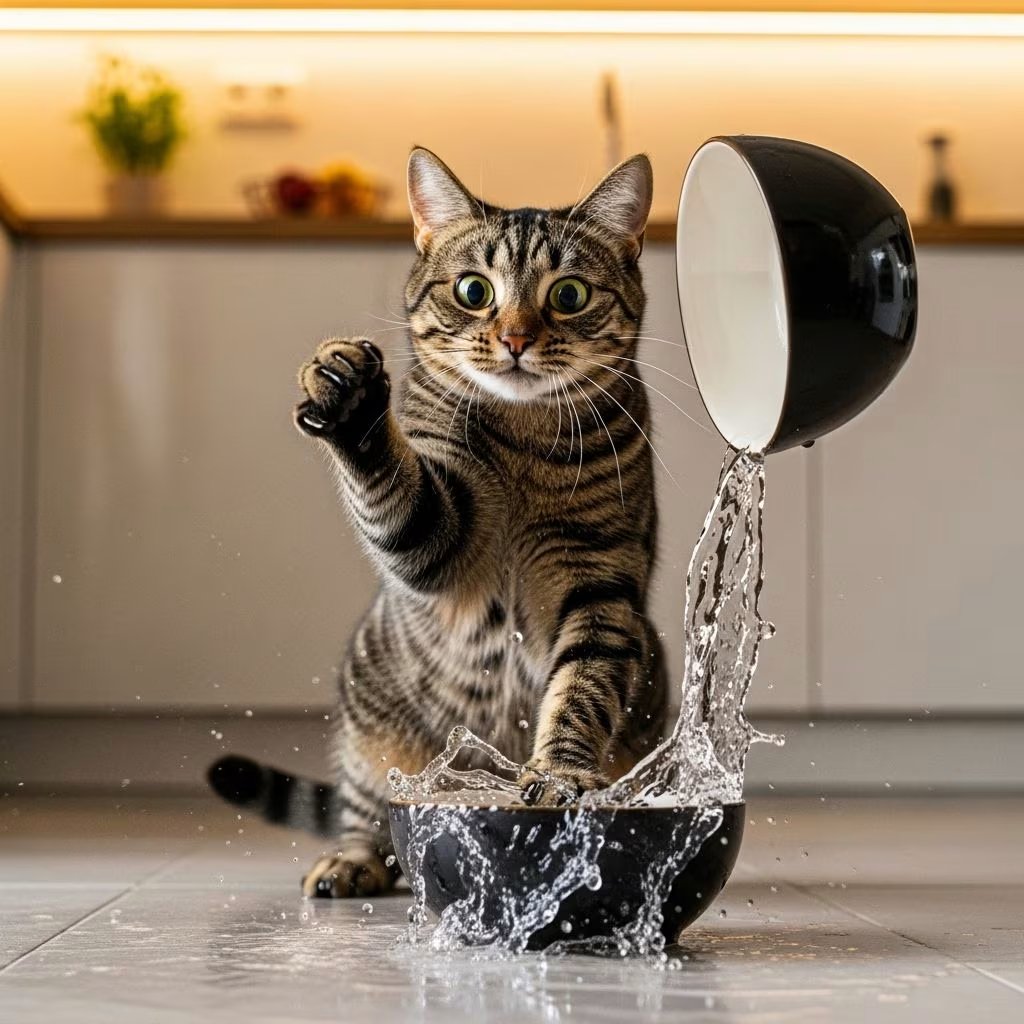
Cat owners often face the frustrating sight of water pooling on the floor after their feline friend tips over the water bowl. This common behavior stems from a mix of instincts, preferences, environmental factors, and sometimes health issues. Understanding the root causes allows you to address it effectively, preventing messes while ensuring your cat stays hydrated. In this comprehensive guide, we’ll explore every possible reason and provide actionable solutions based on feline behavior insights.
Instinctual Behaviors
Cats are descendants of wild hunters, and many of their actions trace back to survival instincts. Knocking over the water bowl may mimic how wild cats uncover fresh water sources by moving objects or pawing at stagnant pools. In nature, standing water can harbor bacteria, so cats instinctively disturb it to access cleaner liquid beneath. Your domestic cat might paw at or tip the bowl to ‘test’ the water’s freshness or depth, simulating this foraging behavior.
This instinct is particularly strong in kittens and young cats, who explore their world through play that resembles hunting. Even adult cats retain this drive, especially if the bowl’s water appears still or unappealing. Observers note that cats often dip a paw in before drinking, gauging temperature, movement, or cleanliness—a direct echo of ancestral habits.
Attention-Seeking
Cats are highly intelligent and social animals that thrive on interaction. If knocking over the water bowl consistently draws your attention—whether through scolding, cleaning, or refilling—they learn it as a reliable way to engage you. This behavior escalates if your cat feels bored or neglected, turning the bowl into a tool for soliciting playtime or affection.
Positive reinforcement plays a role here unintentionally. Even negative reactions fulfill their need for response, as any attention is better than none in a cat’s mind. To break this cycle, ignore the behavior when it occurs and reward calm moments around the bowl with treats or pets. Over time, this shifts their focus to more desirable interactions.
Discomfort with the Bowl
Your cat’s bowl might simply be unsuitable. Cats have sensitive whiskers that detect air currents and textures; deep or narrow bowls can cause ‘whisker fatigue,’ making drinking uncomfortable and prompting them to tip it over. Plastic bowls retain odors and bacteria, while lightweight ones tip easily, frustrating finicky felines.
Material matters too—cats prefer stainless steel or ceramic for their durability and neutrality. Shallow, wide designs allow easy access without whisker strain. Placement is key: avoid positioning near food (cats dislike mixing scents) or high-traffic areas that heighten anxiety.
Playfulness
Play is central to a cat’s life, serving as exercise, mental stimulation, and stress relief. The shimmering, moving water in a bowl captivates their predatory instincts, turning it into an irresistible toy. A lightweight or unstable bowl amplifies this, as the sloshing encourages batting and tipping.
Kittens exhibit this most vividly, but bored adults do too. Redirecting energy with toys like feather wands or laser pointers prevents the bowl from becoming the play target. Interactive sessions mimicking hunt-chase sequences satisfy their needs without the mess.
Health Concerns
Sometimes, persistent bowl-tipping signals medical issues. Increased thirst from diabetes, kidney disease, or hyperthyroidism can make cats paw at water frantically. Dental pain or oral discomfort leads to avoidance of deep bowls, while neurological problems affect coordination.
Watch for accompanying signs: excessive drinking/urination, weight loss, lethargy, vomiting, or appetite changes. A sudden onset warrants a vet visit immediately. Early detection via bloodwork or exams can address underlying conditions, restoring normal behavior.
Environmental Stress
Changes in the home disrupt cats’ routines, triggering stress responses. New pets, furniture rearrangements, moves, or loud noises heighten anxiety, with the water bowl becoming a displacement activity—like self-soothing through familiar actions.
Cats seek control in stressful times; tipping the bowl asserts agency. Mitigate with pheromone diffusers, quiet retreats, and gradual introductions to changes. Consistent routines rebuild security.
How to Stop Your Cat from Knocking Over the Water Bowl
Addressing this requires a multi-faceted approach. Start by observing patterns: when, where, and how it happens informs tailored fixes.
- Upgrade the Bowl: Switch to heavy ceramic or stainless steel, wide and shallow to avoid whisker fatigue. Non-slip bases add stability.
- Fresh Water Routine: Refresh daily; stagnant water repels cats. Filtered or room-temperature appeals more.
- Water Fountains: Running water mimics streams, enticing drinkers and reducing tips. Models with multiple streams accommodate multi-cat homes.
- Strategic Placement: Elevate slightly on mats in low-traffic spots, away from food and litter.
- Enrich Environment: Add scratching posts, cat trees, window perches, and puzzle feeders for stimulation.
- Play Therapy: Daily 15-20 minute sessions exhaust playful energy.
- Positive Training: Ignore tips, praise/calm drinking with treats.
For multi-cat households, provide bowls per cat in separate areas to curb competition.
Comparing Bowl Options
| Bowl Type | Pros | Cons | Best For |
|---|---|---|---|
| Stainless Steel | Durable, hygienic, stable | Can dent, conducts cold | Daily use, allergy-prone cats |
| Ceramic | Heavy, stylish, odor-free | Breakable, pricey | Tip-proof needs |
| Plastic | Cheap, lightweight | Retains bacteria, tips easily | Temporary only |
| Fountain | Encourages drinking, filtered | Requires cleaning/electricity | Finicky drinkers |
Frequently Asked Questions (FAQs)
Why does my cat paw at the water before drinking?
Cats paw to test depth, freshness, or temperature, rooted in wild instincts to avoid contaminated sources. A fountain often resolves this by providing constant motion.
Is knocking over the bowl a sign of dehydration?
Not directly, but if paired with low intake, check gums (moist/pink), eyes, and skin turgor. Vets recommend monitoring urine output and consulting if concerned.
Why won’t my cat drink from the bowl?
Possible whisker fatigue, dirty water, or stress. Try wide glass bowls or fountains; rule out health via vet exam.
How often should I clean the water bowl?
Daily rinsing, weekly deep clean with mild soap or dishwasher for stainless steel. Bacteria thrive in residues.
Do all cats do this?
No, but playful or stressed cats are prone. Breeds like Bengals or Maine Coons show higher curiosity-driven incidents.
Conclusion: A Hydrated, Happy Cat
By pinpointing why your cat knocks over the water bowl—be it instinct, play, or health—you can implement solutions that foster well-being. Patience and consistency yield results, transforming spills into sips. Your proactive steps ensure a drier home and a content companion.
References
- Why Does My Cat Knock Over Water Bowl: Unraveling the Mystery — UAH Pet Vet. 2023. https://www.uahpet.com/blogs/post/why-does-my-cat-knock-over-water-bowl-unraveling-the-mystery
- Why Does My Cat Keep Knocking Over Their Water Bowl? — Dial A Vet. 2024. https://www.dialavet.com/blog/why-does-my-cat-keep-knocking-over-their-water-bowl
- Why Cats Tip Water Bowls — YouTube (PetMD or similar channel). 2023. https://www.youtube.com/shorts/mv06DoqszPs
- Whisker Stress in Cats — American Veterinary Medical Association (AVMA). 2022-10-15. https://www.avma.org/javma-news/2022-10-15/whisker-fatigue-real-issue-cats
- Feline Behavior Guidelines — International Cat Care. 2024-05-20. https://icatcare.org/advice/feline-behaviour-problems/



