

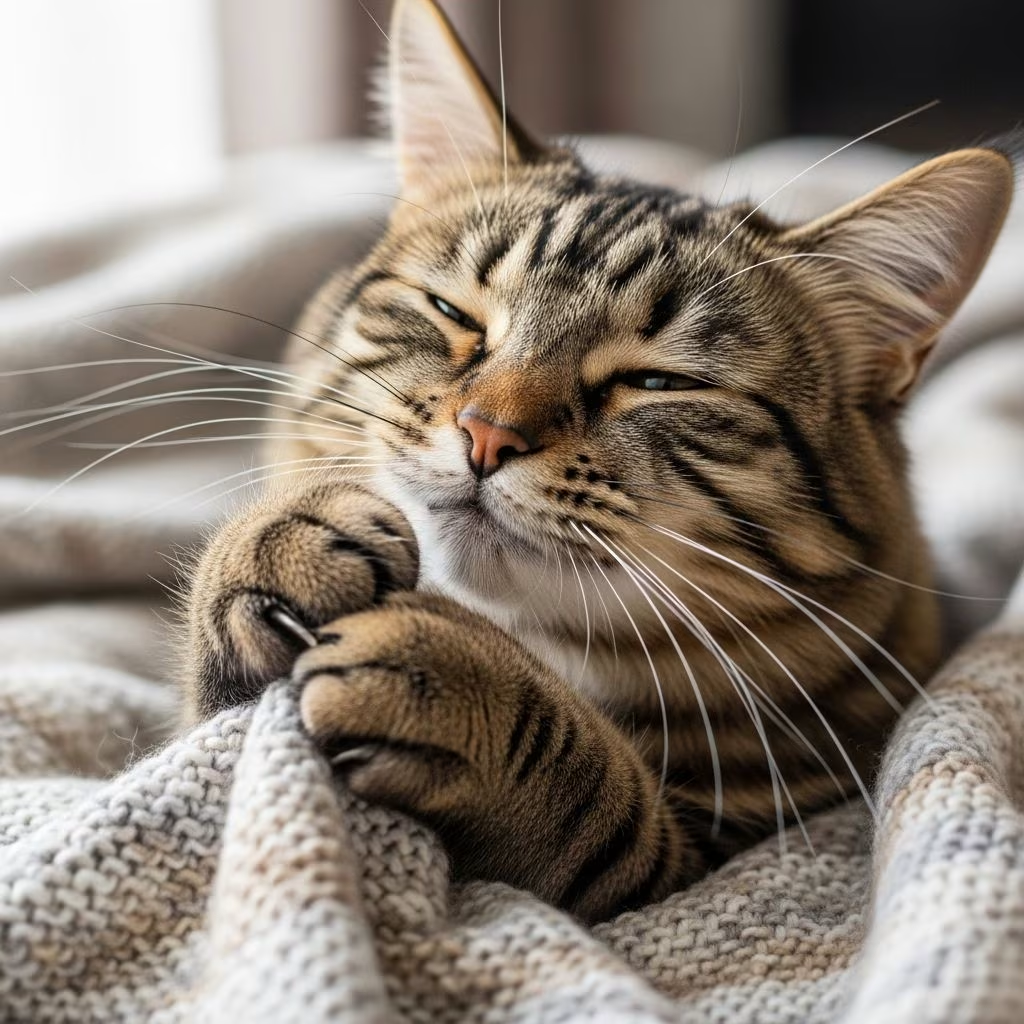
Observing your cat rhythmically pushing its paws into a soft blanket while emitting a deep, rumbling purr is one of the most endearing sights for any pet owner. This behavior, often called “making biscuits” or “milk treading,” combines kneading motions with contented vocalizations. But what drives this ritual? Primarily rooted in kittenhood instincts, kneading helps stimulate milk flow from the mother, a comforting association that persists into adulthood, often paired with purring to signal relaxation and security.
Understanding these actions reveals much about your cat’s emotional world. Kneading on blankets mimics the softness of a mother’s belly, triggering feelings of safety, while purring amplifies the expression of pleasure and trust. This guide delves into the origins, science, and meanings behind this duo of behaviors, drawing from feline ethology and veterinary insights.
What Is Cat Kneading?
Cat kneading involves alternating pushes of the front paws into a soft surface, resembling dough preparation. It’s deliberate and rhythmic, distinct from scratching, which is faster and aimed at claw maintenance. Cats typically knead on plush items like blankets, laps, or cushions, often with eyes half-closed and purring loudly.
This action engages the paw pads fully, sometimes extending claws slightly, but without the intent to damage. It’s most common in relaxed states, preceding naps or during close human interaction, highlighting its role in comfort-seeking.
Why Do Cats Knead? The Instinctual Roots
Kneading traces back to kittenhood nursing. Kittens press paws against their mother’s abdomen to stimulate milk letdown via oxytocin release, ensuring better feeding efficiency. This early experience imprints kneading as synonymous with nourishment and maternal security, a reflex that endures lifelong.
- Kittenhood Origin: Newborns knead to promote milk flow, associating the motion with warmth and satiety.
- Adult Persistence: Even spayed/neutered adults retain this, triggered by comfort cues like soft textures.
Beyond nursing, evolutionary holdovers explain persistence. Wild felids knead foliage to form nests, softening ground for rest or birthing—a practical adaptation domesticated cats echo on blankets.
The Role of Scent Glands in Kneading
Cats possess eccrine scent glands in their paw pads, loaded with unique pheromones. Kneading deposits these chemicals, subtly marking territory and claiming ownership. This invisible scent signature reassures the cat of environmental familiarity and safety.
Pheromones serve multifaceted roles: bonding (e.g., cat-appeasing pheromones from mammary areas), identification, and even aggression mitigation in adults. When your cat kneads your blanket, it’s not just relaxing—it’s personalizing its space.
Key Functions of Paw Scent Marking
- Establishes territory boundaries without confrontation.
- Reinforces security in familiar scents.
- Communicates with other cats via lingering odors.
Kneading and Purring: A Symphony of Contentment
Purring typically accompanies kneading, vibrating at 25-150 Hz to self-soothe and bond. Neurologically, kneading likely releases dopamine (reward) and oxytocin (bonding), mirroring human affection responses. Though not fully mapped in cats, these parallels explain the blissful expression.
Together, they signal peak relaxation: purring heals tissues and reduces stress, while kneading evokes primal comfort. If your cat drools or suckles during this, it’s regressing to nursing bliss.
Other Reasons Cats Knead Blankets
Beyond instincts and marking, kneading fulfills physical and emotional needs:
- Stress Relief: Rhythmic motion calms anxiety, akin to human kneading dough.
- Joint Maintenance: Stretches tendons, promoting flexibility before sleep.
- Bed Preparation: Softens surfaces instinctively, even on human-provided blankets.
- Affection Display: Directed at owners, it communicates trust and love.
Not all kneading is benign; excessive claw extension on skin warrants nail trims or deterrents to prevent injury.
Is Kneading Always Normal? When to Worry
Typically harmless, kneading warrants veterinary attention if paired with aggression, excessive vocalization, or sudden onset in adults. It could signal pain, hyperesthesia syndrome, or stress. Monitor for fabric ingestion (pica) in suckling cats.
| Normal Kneading Signs | Potential Concerns |
|---|---|
| Relaxed posture, purring, half-closed eyes | Aggression, trembling, dilated pupils |
| On soft surfaces like blankets | Sudden increase or on hard surfaces |
| Precedes sleep or cuddling | Accompanied by vomiting or lethargy |
How to Encourage or Manage Kneading
Embrace this affection sign with these tips:
- Provide plush blankets or cat beds to redirect from laps.
- Trim nails regularly for skin safety.
- Use pheromone diffusers to enhance security.
- Avoid punishment; it erodes trust.
For sucklers, offer safe wool substitutes to curb destructive habits.
Frequently Asked Questions (FAQs)
Why does my cat knead and purr on me?
This duo indicates deep trust and comfort, reverting to kittenhood security with you as a safe ‘parent’.
Do all cats knead blankets?
Most do, but intensity varies by personality and early experiences. Some prefer laps over blankets.
Why do some cats suckle while kneading?
Weaning orphans or early-weaned cats may combine motions to fully mimic nursing.
Is cat kneading painful for them?
No; it’s pleasurable, releasing feel-good chemicals without strain.
How can I stop my cat kneading my furniture?
Supply alternatives like scratching pads with catnip; positive reinforcement works best.
Related Behaviors: Bunting and Headbutting
Kneading pairs with facial bunting (rubbing cheeks), activating different scent glands for overt marking. Both affirm bonds and territory, with bunting more social.
These actions collectively show your cat views you and its home as safe havens.
References
- Understanding why cats knead and bunt: The science behind feline behaviors — COAPE. 2023. https://coape.org/understanding-why-cats-knead-and-bunt-the-science-behind-feline-behaviors/
- The Science of Affection That Makes Cats Knead You — ScienceAlert. 2023. https://www.sciencealert.com/the-science-of-affection-that-makes-cats-knead-you
- Why Cats Knead – Figo Pet Insurance — Figo Pet Insurance. 2024-01-14. https://figopetinsurance.com/blog/why-cats-knead-science-behind-behavior
- The Science Behind Cat Kneading: Understanding Your Pet’s Instincts — Best Friends Vet. 2023. https://bestfriendsvet.org/blog/cat-kneading/
- Why do cats knead? — Live Science. 2024. https://www.livescience.com/animals/cats/why-do-cats-knead
- Why Do Cats Knead? — AAHA. 2023. https://www.aaha.org/resources/is-my-cats-kneading-normal/



