

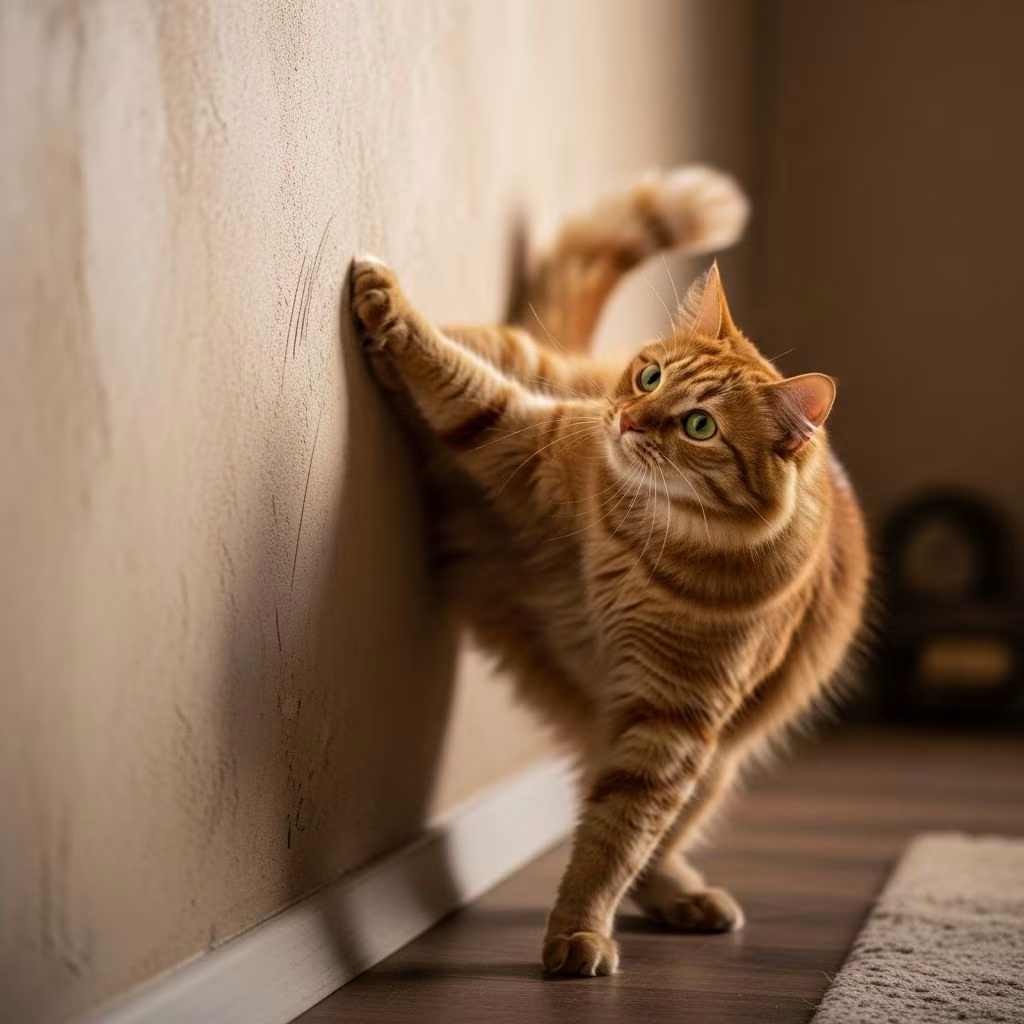
Cat owners often puzzle over quirky behaviors like wall-kicking, which can range from harmless play to signs of discomfort. This comprehensive guide explores the **8 possible reasons** why cats kick walls, drawing from veterinary insights to help you understand and address your feline’s actions. Whether it’s playful energy bursts or a need for attention, knowing the cause empowers you to respond effectively.
The 8 Possible Reasons Why Your Cat Kicks The Wall
Cats exhibit wall-kicking for various instinctual, environmental, or health-related reasons. Below, we break down each one with detailed explanations, signs to watch for, and practical solutions.
1. Bunny Kicking
**Bunny kicking** is a classic feline move mimicking wild hunting instincts. Your cat grabs a target with front paws and rapidly kicks with hind legs, often directed at toys, other cats, or even walls during enthusiastic play. This behavior stuns prey in the wild, allowing cats to play with or dispatch it effectively.
In a home setting, a cat might “bunny kick” the wall if chasing a shadow, laser pointer, or imaginary foe. It’s normal during zoomies or interactive sessions but can seem odd if aimed at stationary surfaces. Observe if it happens during playtime; providing appropriate toys redirects this energy safely.
- Signs: Front paws hugging an object or surface, rapid hind-leg kicks.
- Why walls? Bouncing off or grabbing at textured surfaces simulates prey grip.
- Solution: Use wand toys or kick toys to channel the instinct.
2. Working Off Excess Energy
Cats are bursts-of-energy athletes, prone to **zoomies**—frantic running, leaping, and wall-bouncing episodes. Kicking walls during these fits releases pent-up vitality, especially in young or active cats with limited outlets. It’s akin to a dog’s playful dashes but vertical and acrobatic.
If your cat races hallways at midnight, paws thumping walls, it’s likely just burning calories. Insufficient play, confinement, or diet can amplify this. Monitor for injuries like sprains from roughhousing, but most episodes are benign.
- Signs: Sudden sprints, wall-climbing, kicking amid high-speed chases.
- Triggers: Evening hours, after meals, or post-naps.
- Solution: Schedule 15-20 minute daily play sessions with feather wands or balls.
Enriching the environment with climbing trees prevents escalation to destructive habits.
3. Seeking Attention
Neglected or bored cats turn to antics like wall-kicking to summon you. If ignored, they escalate from meows to physical displays, knowing you’ll react. This **attention-seeking** mirrors learned behaviors where any response reinforces the action.
Lonely indoor cats, especially singles, may kick walls during your absence or TV time. It’s a cry for interaction, preventing worse issues like spraying or furniture shredding.
- Signs: Kicking when you’re nearby but distracted; stops when you engage.
- Risk: Can lead to chronic stress if unaddressed.
- Solution: Dedicate quality time: petting, grooming, puzzle feeders.
Balance with alone-time toys to foster independence.
4. Fulfilling Scratching Needs
Scratching is essential for cats to shed claw sheaths, mark territory, stretch, and sharpen nails. Vertical scratchers target walls, drapes, or posts; some “kick-scratch” walls experimentally, combining kicks with claw drags.
If walls show shreds, your cat tests them as scratch media. Instinct drives this, but unmet needs damage property.
| Scratching Type | Surface Preference | Recommended Post |
|---|---|---|
| Vertical | Walls, curtains | Tall sisal post |
| Horizontal | Carpets, rugs | Flat cardboard scratcher |
- Signs: Claw marks post-kicking; focused on textured walls.
- Solution: Place multi-surface scratchers near problem areas; use catnip sprays.
5. Stretching to New Heights
Cats stretch frequently to loosen muscles, alleviate stiffness, and relax—like yoga for felines. Backing into walls for leverage creates a “kicking” illusion as they push hind legs against it.
Often post-nap or sunny spots, this aids circulation and comfort, especially in older cats.
- Signs: Slow, deliberate pushes; no frenzy; followed by lounging.
- Benefits: Reduces injury risk from tight muscles.
- Enhance: Provide wall-perched beds or ramps for safe stretching.
6. Relieving Paw Pain or Discomfort
Litter clumps, debris, or wet paws trapped in fur prompt frantic kicking to dislodge irritants. Walls offer resistance for scraping toes clean.
Check paws regularly; allergies or injuries exacerbate this.
- Signs: Limping, excessive licking, kicking one paw more.
- Solution: Switch low-dust litter; trim fur between toes; inspect post-outdoors.
7. Exhibiting Neurological Conditions
Rare but serious, **neurological issues** like seizures, Feline Hyperesthesia Syndrome, or cognitive dysfunction cause uncontrolled kicking, circling, head-pressing, or tremors. Young cats may have congenital issues; seniors, dementia.ASPCA notes behavioral shifts in stressed cats, but persistent oddities warrant vet checks.
- Red flags: Disorientation, falls, appetite loss.
- Action: Immediate vet exam; may need MRI or bloodwork.
8. Territory Marking (Bonus Insight)
Though not always listed, stress or multi-cat homes prompt scent-marking via wall-rubbing/kicking, depositing cheek glands.
When to Worry: If kicking persists, damages walls, or pairs with aggression/vomiting, consult a vet to rule out hyperthyroidism or pain.
How to Stop Your Cat from Kicking the Wall
Redirect with play, scratchers, and enrichment. Ignore attention bids; reward calm. Vertical space like shelves curbs zoomies.
- Interactive toys daily.
- Consistent routine.
- Puzzle feeders for mental stimulation.
- Professional behaviorist if needed.
Frequently Asked Questions (FAQs)
Q1: Is wall-kicking normal for cats?
A: Yes, often playful or instinctual, but monitor for excess or odd patterns.
Q2: Why does my kitten kick the wall more at night?
A: Kittens have high energy; evening zoomies are common—play before bed helps.
Q3: Could it be pain if my senior cat kicks walls?
A: Possibly arthritis or neurology; vet evaluation recommended.
Q4: How do I deter scratching on walls?
A: Apply double-sided tape; provide appealing posts nearby.
Q5: Does neutering stop this behavior?
A: May reduce marking but not play/energy-based kicking.
Understanding these behaviors strengthens your bond. Most wall-kicking is benign, but vigilance ensures your cat’s well-being.
References
- Why Does My Cat Kick the Wall? 8 Vet-Reviewed Reasons — Catster. 2023-10-15. https://www.catster.com/cat-behavior/why-does-my-cat-kick-the-wall/
- Why Do Cats Bunny Kick? — Hill’s Pet Nutrition. 2024-05-20. https://www.hillspet.com/cat-care/behavior-appearance/cat-bunny-kicks
- Aggression Between Cats in Your Household — ASPCA. 2023-11-01. https://www.aspca.org/pet-care/cat-care/common-cat-behavior-issues/aggression-between-cats-your-household
- Understanding Cat Behavior and Feline Language — Humane World. 2024-02-14. https://www.humaneworld.org/en/resources/understanding-cat-behavior-and
- Why Do Cats Knock Things Over? — PetMD. 2024-08-10. https://www.petmd.com/cat/behavior/why-do-cats-knock-things-over



