

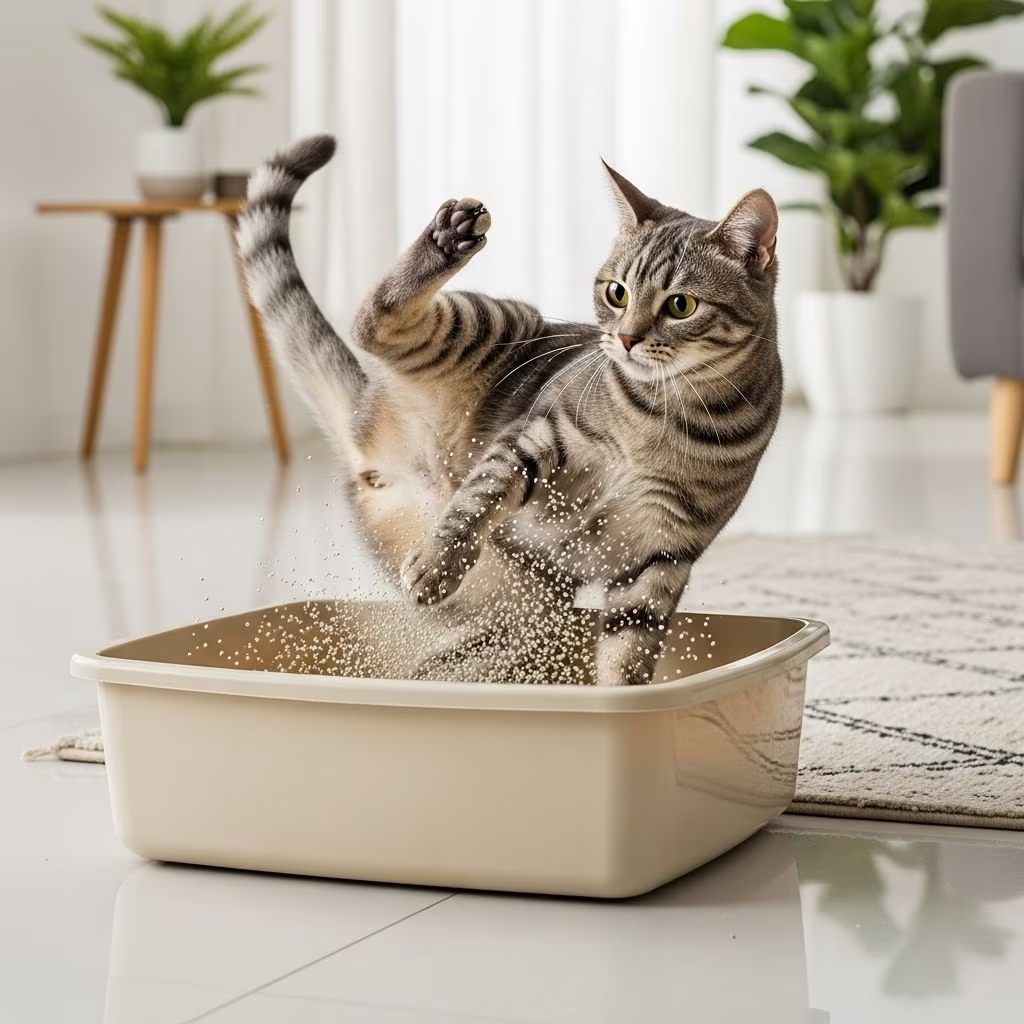
Seeing litter scattered across your floor like confetti after your cat uses the box can be frustrating. This common behavior stems from natural instincts but can be managed with the right adjustments to your cat’s litter setup. Understanding the reasons helps you address the root cause effectively.
Reasons Why Cats Kick Litter Out of Their Box
Cats kick litter for several instinctual and practical reasons. In the wild, burying waste hides scent from predators and rivals, a behavior domestic cats retain. This vigorous digging and kicking ensures coverage but often sends litter flying in homes.
**Key triggers include:**
- Instinctual burying: Cats dig before and after eliminating to cover waste, mimicking wild survival tactics.
- Territorial marking: Unneutered cats may leave scent by scattering litter, though neutered cats do it too.
- Comfort seeking: Uncomfortable litter texture prompts more kicking to find a suitable spot.
- Discomfort signals: Dirty, small, or poorly placed boxes lead to expressive kicking as displeasure.
- Habit formation: Once started, it persists even after issues resolve.
Other litter box issues amplify this: boxes too small for turning, shallow sides allowing escape, excessive litter causing overflow, insufficient litter frustrating coverage attempts, or dirty litter prompting extra digging for clean spots. Cats are fastidious; unclean conditions make them paw more vigorously.
How to Stop Your Cat from Kicking Litter Everywhere
Stopping litter kicking involves optimizing the litter box environment without punishing natural behavior. Focus on litter type, depth, cleanliness, box quantity, and design. Here’s a step-by-step guide.
1. Choose the Right Cat Litter
Cats prefer litters matching their digging instincts. Opt for fine, clumping clay over pellets or granules, as studies show clay is favored for texture.
- Fine clumping clay: Allows effective burying without excessive scatter.
- Fast-clumping and unscented: Reduces odor and stickiness on paws.
Avoid sudden switches; mix new litter gradually to prevent rejection.
2. Adjust Litter Depth
Standard 2-3 inches may not suffice for enthusiastic diggers. Use 3-4 inches—deep enough for coverage but not overflowing. Avoid over 5 inches to prevent tracking.
| Litter Depth | Pros | Cons |
|---|---|---|
| 1-2 inches | Less mess | Insufficient for burying, more kicking |
| 3-4 inches (ideal) | Balances coverage and containment | Optimal for most cats |
| 5+ inches | Ample digging space | Increased tracking and waste |
3. Clean the Litter Box Frequently
Cats avoid dirty boxes, leading to extra digging. Scoop daily and fully change weekly, adjusting for multi-cat homes. Self-cleaning boxes break the mess cycle, especially for busy owners or picky cats.
In multi-cat setups, unclean boxes spark territorial avoidance, worsening kicking.
4. Provide More Litter Boxes
Follow the n+1 rule: one more box than cats. A single cat needs 2; two cats need 3. This ensures clean, accessible options, reducing competition and frustration-induced kicking.
- Place boxes in quiet, low-traffic areas.
- Separate by distance in multi-cat homes to minimize tension.
Best Litter Boxes for Cats That Kick Litter Everywhere
The right box contains kicks. Cats prefer larger sizes—1.5 times their length—for comfortable movement.
High-Sided Litter Boxes
Tall sides (at least 8-10 inches) trap flying litter. Ideal for vigorous kickers without restricting entry.
- Pros: Contains mess, easy access.
- Cons: Harder to clean; ensure cat fits.
Covered or Hooded Boxes
Enclosed designs with doors keep litter in and offer privacy. Studies indicate cats accept them if spacious.
- Best for scatterers; reduces tracking.
- Monitor for claustrophobia in some cats.
Large Open Boxes or Storage Bins
Repurpose plastic storage bins (e.g., 50-quart) by cutting entry holes. Provides ample space cheaply.
Self-Cleaning Litter Boxes
Automated cleaning prevents dirt buildup, curbing avoidance kicking. Great for multi-cat or messy households.
| Box Type | Best For | Potential Drawbacks |
|---|---|---|
| High-sided | Vigorous kickers | Cleaning challenge |
| Covered | Privacy seekers | Odor buildup if small |
| Storage bin | Budget, large cats | DIY required |
| Self-cleaning | Multi-cat, low maintenance | Higher cost |
Other Litter Box Behaviors and What They Mean
Kicking isn’t isolated. Watch for related signs.
- Gargoyling: Perching on edges—box too small, wrong litter depth, or dirty.
- Waffling: Hesitating entry—unappealing litter or location.
- Box banging: Scratching outside litter—issue with hood, size, or cleanliness.
- Port-a-potty: Quick in-out without burying—stress, dirt, or noise.
Addressing these holistically improves habits.
Frequently Asked Questions (FAQs)
Why is my cat suddenly kicking more litter out?
Sudden changes often signal discomfort: new litter, dirty box, health issues, or stress. Consult a vet if persistent.
Is it okay to use less litter to reduce mess?
No—insufficient litter frustrates burying instincts, worsening kicking. Aim for 3-4 inches.
Do covered boxes stop litter kicking?
Often yes, by containing scatter, but ensure size suits your cat.
How often should I clean for a messy cat?
Scoop 1-2 times daily; full change weekly or bi-weekly based on use.
Can litter mats help with tracking?
Yes, place textured mats outside to catch paw litter, complementing box fixes.
This comprehensive approach—right litter, depth, cleaning, boxes—minimizes kicking while respecting instincts. Observe your cat; tweaks may take trial. If issues persist, rule out medical causes with a vet.
References
- Cat Kicking Litter Out of Box – How to Stop It & Solutions — Litter-Robot. 2023. https://www.litter-robot.com/blog/best-litter-box-for-messy-cats/
- Why Do Cats Kick Litter Everywhere? — Pet Honesty. 2023-10-01. https://www.pethonesty.com/blogs/blog/why-do-cats-kick-litter-everywhere
- What Do Your Cat’s Litter Box Behaviors Mean? — Purina. 2024. https://www.purina.com/tidy-cats/cat-litter-box-behavior



