

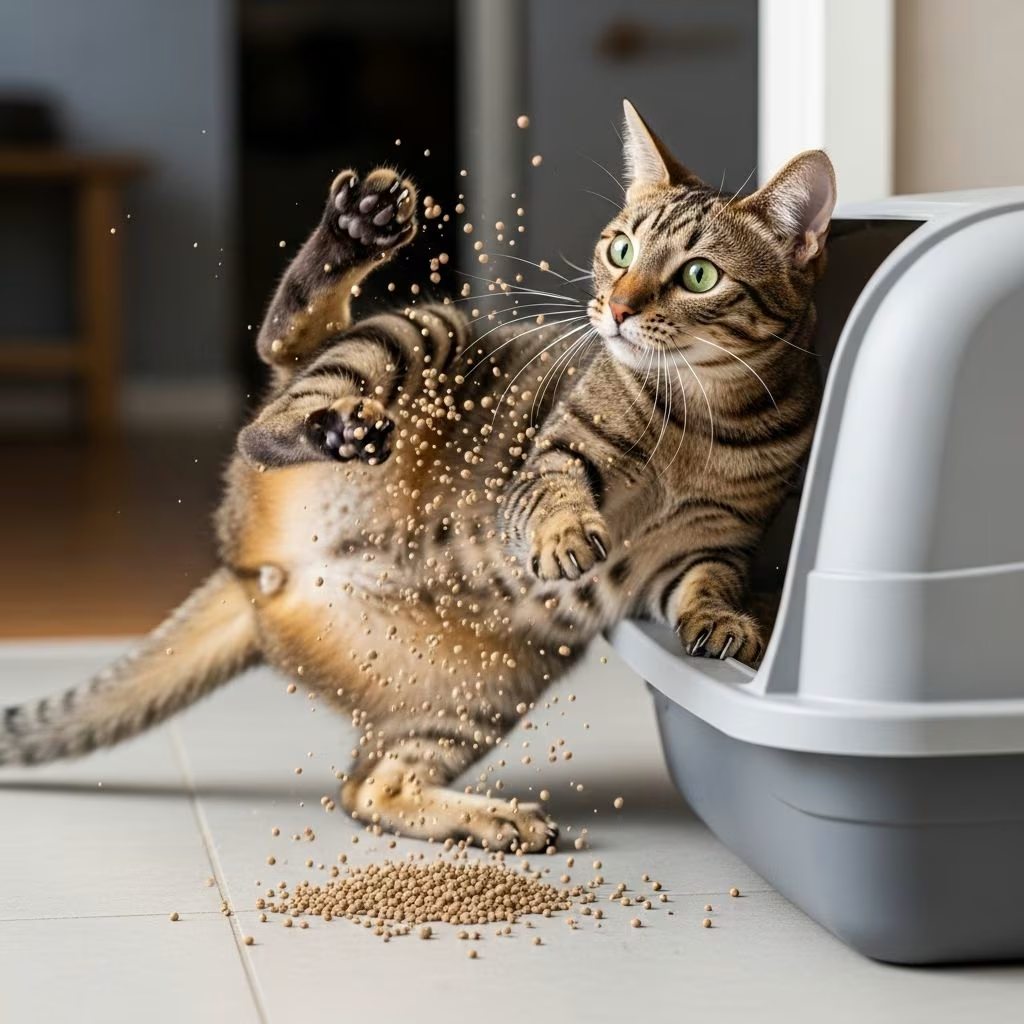
Why Does My Cat Kick Litter Out of the Box?
If you’ve ever walked barefoot into a cloud of litter dust or found yourself vacuuming up granules from every corner of your home, you’re not alone. Many cat owners struggle with one of the most frustrating feline behaviors: litter kicking. Your beloved pet seems determined to scatter litter everywhere except where it belongs—inside the litter box. While this behavior can be incredibly messy and annoying, understanding the reasons behind it is the first step toward finding practical solutions. Cat litter kicking is a natural behavior rooted in your cat’s instincts, but it can also signal dissatisfaction with their bathroom setup or environment.
Understanding the Instinct Behind Litter Kicking
The primary reason cats kick litter is due to their natural instinct to bury their waste. In the wild, cats bury their feces and urine to avoid detection by predators or rival cats. This behavior is deeply ingrained in domestic cats, even though they no longer face the same survival threats as their wild ancestors. When your cat scratches and kicks litter, they’re simply following millions of years of evolutionary programming.
The kicking behavior serves a specific purpose: it helps your cat cover up evidence of their presence. This territorial and safety instinct means that some level of litter scattering is completely normal feline behavior. Understanding this can help you shift your perspective from viewing it as a behavioral problem to recognizing it as a natural, instinctive action that needs to be better managed.
Common Reasons Why Cats Kick Litter Out
While instinct is the primary driver, several other factors can cause or exacerbate litter kicking behavior:
- Litter box size issues: A litter box that’s too small prevents your cat from comfortably turning around and digging. Cats need adequate space to perform their natural digging behavior without kicking litter outside the box.
- Shallow litter boxes: If the sides are too low, litter flies out more easily, especially for enthusiastic diggers who kick near the edges.
- Inadequate litter depth: Too much or too little litter can trigger excessive kicking. Your cat needs enough coverage to bury waste effectively, but not so much that it overflows.
- Dirty litter box: Cats are fastidious creatures and may kick more frantically when searching for a clean spot. Dirty litter also clings to paws, increasing tracking throughout your home.
- Litter texture preferences: Some cats prefer fine, clumping clay litter, while others reject certain materials. The wrong texture can trigger more kicking behavior.
- Medical discomfort: Conditions like urinary tract infections or other pain issues can cause cats to associate the litter box with discomfort, leading to behavioral changes.
- Environmental stress: Changes such as new pets, moving, or household disruptions can stress your cat and manifest as increased litter kicking.
- Territorial marking: Cats may kick litter to spread their scent and mark territory. This behavior is more common in unneutered males but can occur in any cat.
How Cats Use Litter to Cover Their Waste
Understanding the mechanics of your cat’s litter burying process can help you appreciate why they kick so much. When your cat uses the litter box, they follow a specific sequence. First, they inspect the litter to ensure it meets their standards—some cats are incredibly picky about cleanliness. Next, they dig a shallow hole in their chosen spot, eliminate waste into that hole, and then cover it up with surrounding litter through kicking and scratching motions. This covering behavior is the instinctive part that we observe as the messy litter-kicking problem.
The amount of kicking increases when cats don’t feel satisfied with the coverage. If there’s insufficient litter, your cat will kick more vigorously trying to cover their waste. If the litter box is too shallow or small, the kicking motion naturally launches litter outside the box. If the litter is dirty, your cat might dig frantically searching for a clean spot, causing more scattering in the process.
The Role of Litter Type and Texture
The type of litter you choose plays a significant role in your cat’s kicking behavior. Research indicates that cats prefer fine, clumping clay litter over pellets or granules. This preference isn’t just about comfort—it’s about functionality. Fine clumping litter works better for burying waste effectively, which means your cat needs less aggressive kicking to achieve proper coverage.
If you’ve been considering switching to pine pellets or other alternatives to reduce mess, be cautious. While some materials might produce less dust, cats can be extremely reluctant to change their litter preference. Cats are creatures of habit, especially regarding bathroom practices. If your cat has used a particular litter type for years, switching to something drastically different can cause stress and behavioral issues. Additionally, changing the litter type without addressing underlying issues—such as litter box size or cleanliness—won’t solve the root problem. Instead, focus on finding the right fine, fast-clumping, unscented clay litter that your cat tolerates well.
Solutions to Reduce Litter Kicking
Choose the Right Litter Box
One of the most effective solutions is investing in an appropriately sized litter box. Your cat’s litter box should be large enough that they can comfortably fit inside, turn around in all directions, and dig without restriction. The general rule is that the box should be at least 1.5 times the length of your cat’s body. If your current box is cramped, upgrading to a larger model—or even a large storage bin modified as a litter box—can dramatically reduce litter scatter.
For cats that are exceptionally enthusiastic diggers or who tend to do their business near the box edges, consider investing in a high-sided or tall-walled litter box. These designs contain litter better while still providing adequate digging space. Covered litter boxes offer additional containment benefits and provide privacy for your cat, which many felines appreciate.
Optimize Litter Depth
The amount of litter in the box matters more than many cat owners realize. The ideal litter depth is between 3 to 4 inches—deep enough that your cat can dig and kick as needed to satisfy their instincts, but not so deep that they become frustrated or that litter overflows during vigorous kicking. Avoid filling the box with excessive litter, as this can actually increase kicking behavior and make the problem worse.
Conversely, insufficient litter will cause your cat to kick more frantically trying to cover their waste adequately. Finding the right balance is key to reducing litter scatter while satisfying your cat’s natural behaviors.
Maintain Impeccable Cleanliness
Cats are naturally clean animals and are often extremely picky about their bathroom environment. A dirty litter box is one of the most common triggers for excessive kicking. Scoop the litter box at least once daily and completely change the litter weekly, adjusting frequency based on how many cats you have and how heavily the box is used.
Dirty litter not only encourages your cat to dig more frantically searching for clean spots but also clings to their paws, resulting in litter being tracked throughout your home. Some owners find that investing in a self-cleaning litter box eliminates the maintenance burden and significantly reduces the litter-kicking problem by keeping the box perpetually clean.
Provide Multiple Litter Boxes
Veterinarians recommend the “n+1” rule: you should have one more litter box than the number of cats you own. For a single cat, this means two boxes; for two cats, three boxes, and so on. Multiple boxes ensure that your cat always has access to a clean, available option nearby. This reduces the likelihood that they’ll feel compelled to kick out a dirty box or become frustrated while waiting for access.
In multi-cat households, providing adequate boxes also reduces territorial competition and prevents some cats from refusing to use a box due to dominance issues. Cats may hold in their waste or resort to inappropriate elimination if they feel threatened accessing the litter box, leading to serious health problems.
Consider Box Placement
The location of your litter box influences your cat’s behavior and satisfaction. Place the box in a quiet, private location away from their food and water bowls. Cats naturally prefer to eliminate in private areas where they feel safe and secure. An exposed or high-traffic litter box can cause stress, which may manifest as excessive kicking or refusal to use the box.
When Medical Issues May Be Involved
If your cat suddenly begins excessive litter kicking or exhibits other behavioral changes, consider consulting your veterinarian. Medical conditions such as urinary tract infections, digestive issues, arthritis, or other pain-related problems can cause cats to associate the litter box with discomfort. This association may lead to behavioral changes including excessive kicking, avoidance of the box, or inappropriate elimination.
Your vet can rule out underlying health issues and provide recommendations for managing any diagnosed conditions. Sometimes, the solution to litter kicking is simply treating a medical problem that’s causing your cat distress.
Managing Environmental Stress
Changes in your cat’s environment can trigger stress-related behavioral changes, including increased litter kicking. New pets, moving to a new home, changes in routine, or household disruptions can all cause anxiety in cats. During stressful periods, provide your cat with extra attention, maintain consistent routines as much as possible, and ensure they have safe spaces to retreat to.
If you’ve recently introduced a new pet, ensure your cat still has exclusive access to their own litter boxes away from the new animal. Competition or territorial stress can exacerbate litter-kicking behavior significantly.
Strategies for Containing Litter Scatter
While addressing the root causes of litter kicking, you can also implement containment strategies. Place litter mats or catch trays under and around the litter box to catch scattered litter. Some owners use large storage bins with entry holes cut into the sides to create a contained litter box area. These DIY solutions are often affordable and highly effective.
Closed or covered litter boxes provide the most containment, though some cats feel claustrophobic in these designs. Try different approaches to find what works best for your specific cat and your tolerance for mess.
Frequently Asked Questions
Q: Is litter kicking a sign of a behavioral problem?
A: Not necessarily. Litter kicking is a natural instinctive behavior rooted in your cat’s evolutionary history. However, excessive kicking may indicate dissatisfaction with the litter box setup, litter type, cleanliness, or underlying medical issues that warrant investigation.
Q: Should I punish my cat for kicking litter?
A: No. Punishing your cat for natural behavior is counterproductive and can damage your relationship with them. Instead, focus on identifying and addressing the underlying cause of the behavior while implementing practical containment solutions.
Q: Why does my cat kick litter more after peeing than pooping?
A: Some cats may exhibit different digging intensities depending on the type of waste. This variation is completely normal and can be related to how well they feel their waste is covered or personal preferences about which waste to bury more thoroughly.
Q: Can I train my cat to stop kicking litter?
A: Complete elimination of litter kicking is unrealistic since it’s an instinctive behavior. However, you can minimize kicking by addressing the factors that trigger excessive behavior—upgrading the litter box, adjusting litter depth, maintaining cleanliness, and ensuring appropriate placement.
Q: How long does it take to see improvement after making changes?
A: Most cats adjust to changes within a few days to a week. However, cats are creatures of habit, so be patient and give them time to adapt. If you’ve made multiple changes, implement them gradually to identify which adjustments are most effective.
Q: Is a covered litter box better for reducing litter scatter?
A: Covered boxes do reduce scatter and provide privacy that many cats appreciate. However, some cats feel claustrophobic in enclosed spaces. Try a covered box with your cat; if they refuse to use it, their comfort and willingness to use the box should take priority over containing scatter.
References
- Why Does My Cat Kick Litter Out of the Box? — Richell USA Inc. 2024. https://www.richellusa.com/why-does-my-cat-kick-litter-out-of-the-box/
- Cat Kicking Litter Out of Box – How to Stop It & Solutions — Litter Robot. 2024. https://www.litter-robot.com/blog/best-litter-box-for-messy-cats/
- Why Do Cats Kick Litter Everywhere? – Updated 2023 — Pet Honesty. 2023. https://www.pethonesty.com/blogs/blog/why-do-cats-kick-litter-everywhere



