

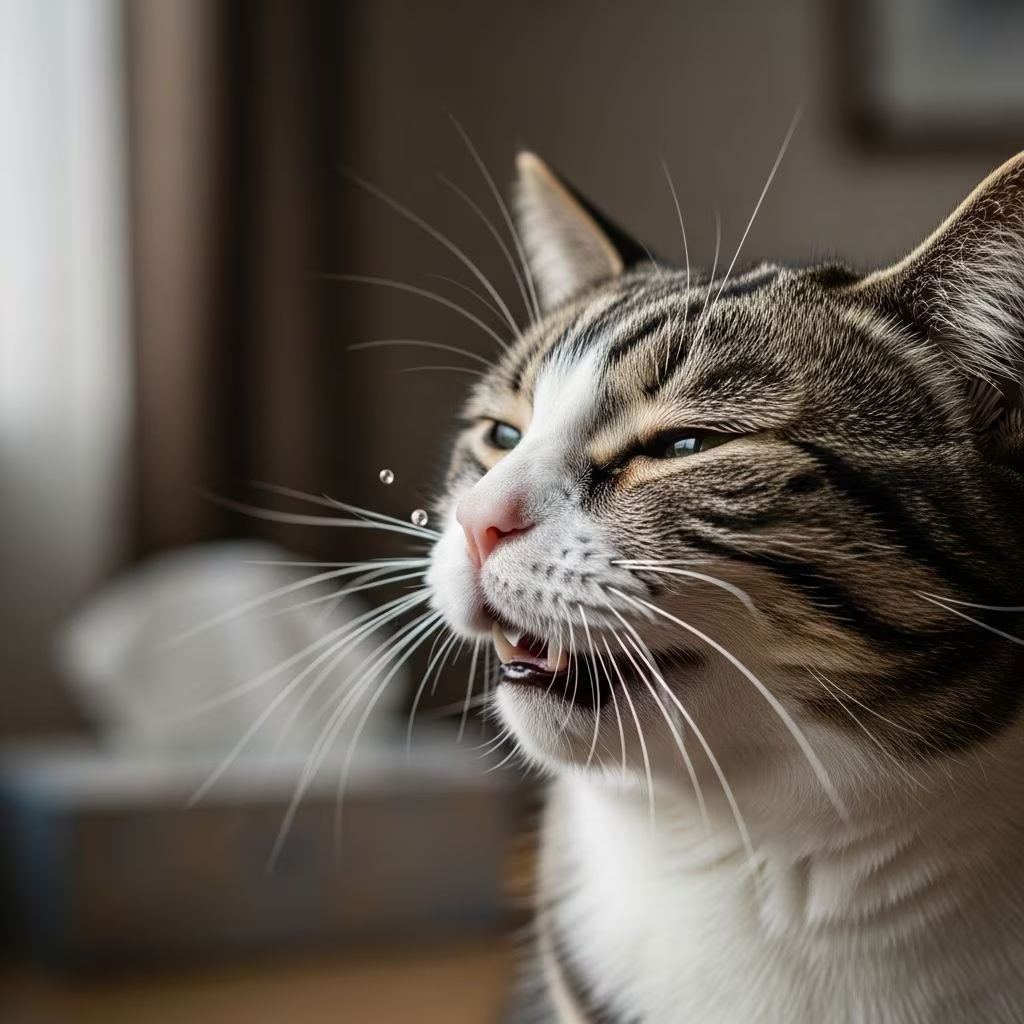
Occasional sneezing in cats is normal, helping them clear their nasal passages of dust or irritants. However, **persistent or frequent sneezing** often signals an underlying issue requiring attention. Common culprits include upper respiratory infections (URIs), allergies, foreign objects, dental disease, and more serious conditions like tumors. Understanding the cause is crucial for effective treatment, as sneezing can lead to complications like pneumonia if ignored.
This comprehensive guide breaks down the reasons behind your cat’s sneezing, symptoms to watch for, diagnostic steps, treatments, and prevention strategies. Early intervention can prevent chronic issues and improve your cat’s quality of life.
Common Causes of Sneezing in Cats
Sneezing occurs when something irritates the nasal passages, triggering a reflex to expel it. In cats, this ranges from benign environmental factors to infections. Here’s a detailed look at the most frequent causes:
Viral Upper Respiratory Infections (URIs)
**Feline herpesvirus (FHV)** is the leading cause of sneezing in cats, affecting 80-90% of felines as chronic carriers. Kittens often contract it early, and stress or immunosuppression reactivates the dormant virus, causing sneezing, nasal/eye discharge, and congestion. **Feline calicivirus** is another common viral offender, leading to respiratory symptoms alongside mouth ulcers and pneumonia risk. Influenza and other viruses contribute less frequently.
Symptoms include clear to cloudy discharge, coughing, and lethargy. These infections are highly contagious in multi-cat households.
Bacterial Infections
Bacterial infections rarely occur alone; they typically follow viral damage to nasal tissues. Yellow or green discharge from the nose or eyes indicates bacteria like **Bordetella, Mycoplasma, or Chlamydia**. These opportunists thrive in weakened passages, worsening sneezing and causing pain.
Antibiotics effectively treat secondary infections, often resolving symptoms quickly.
Allergens and Irritants
Environmental triggers mimic allergies: dust, pollen, smoke, perfume, cleaning products, or litter dust. Cats with sensitive noses sneeze to expel these particles.
Unlike humans, true allergies in cats are less common but can involve food or flea-related reactions. Observe if sneezing correlates with new household items.
Foreign Objects
Cats may inhale grass blades, string, or plant material, lodging in nasal passages and causing unilateral (one-sided) sneezing, pawing at the face, or bloody discharge. This is rarer in cats than dogs but requires prompt removal to prevent migration.
Dental Disease
Tooth root abscesses or gum disease can erode into nasal cavities, causing chronic sneezing and foul breath. Painful and serious, it demands veterinary dental evaluation.
Fungal Infections
Less common, **Cryptococcus** fungus causes sneezing via nasal granulomas. Diagnosis needs rhinoscopy or biopsy; treatment involves antifungals.
Other Serious Causes
In older cats, **nasal tumors (neoplasia)** irritate passages, leading to progressive sneezing and poor prognosis. Parasites, polyps, or chronic rhinitis/sinusitis also contribute.
Symptoms to Watch For
Not all sneezing is alarming, but accompanying signs warrant a vet visit:
- Yellow/green nasal or eye discharge
- Bloody sneezes or discharge
- Lethargy, fever, or appetite loss
- Coughing, wheezing, or open-mouth breathing
- One-sided sneezing (suggests foreign object or tumor)
- Symptoms lasting over 3-5 days or worsening
Mild, occasional sneezing with no other issues often resolves alone.
When to See a Vet
Consult a veterinarian if sneezing persists beyond a few days, includes colored discharge, or your cat seems unwell. Kittens, seniors, or immunocompromised cats need immediate care to avoid pneumonia or dehydration.
Delays can lead to chronic carriers of FHV or secondary complications like blindness.
Diagnosis: How Vets Identify the Cause
Vets start with history and exam, then escalate:
- Physical exam and discharge sampling
- Blood/urine tests for viruses/FIV
- X-rays, CT/MRI for structural issues
- Rhinoscopy (endoscope) or nasal biopsy
- Culture for bacteria/fungi
These pinpoint issues like tumors or foreign bodies.
Treatment Options for Sneezing Cats
Treatment targets the root cause; there’s no universal cure for viral URIs, but symptoms can be managed lifelong.
Home Care for Mild Cases
- Clean face with warm, moist cloth
- Warm canned food to entice eating
- Ensure fresh water; encourage hydration
- Use a humidifier or steam from bathroom showers
- Isolate from other cats
Many mild URIs resolve in 1-2 weeks.
Veterinary Treatments
| Treatment | Use Case | Notes |
|---|---|---|
| Antibiotics (e.g., doxycycline) | Bacterial infections | Quick symptom relief |
| Antivirals (e.g., famciclovir) | FHV flares | Emerging; reduces severity |
| Nasal lavage/flush | Debris, mucus buildup | Under anesthesia; temporary relief |
| Antifungals | Cryptococcus | Oral/nasal; may need surgery |
| Steroids/NSAIDs | Inflammation | Short-term use |
| IV fluids/hospitalization | Severe dehydration | For advanced cases |
Other supports: antihistamines, decongestants, anti-nausea meds.
Chronic Management
Lysine supplements, stress reduction (Feliway), and vaccines (FVRCP) help prevent flares.
Prevention Tips
- Vaccinate: Core FVRCP protects against calicivirus/herpes
- Reduce stress: Consistent routine, enrichment
- Minimize irritants: Dust-free litter, no smoke/perfume
- Regular dental checkups
- Quarantine new cats
- Humidify dry environments
Frequently Asked Questions (FAQs)
Is cat sneezing contagious?
Viral URIs like FHV are highly contagious to other cats via shared bowls or grooming. Isolate sneezing cats.
How long does a cat URI last?
Mild cases: 1-3 weeks. Chronic carriers flare lifelong with triggers.
Can I treat my sneezing cat at home?
Supportive care helps mild cases, but vet evaluation rules out serious issues.
Why is my cat sneezing blood?
Possible foreign object, tumor, or severe infection—seek emergency care.
Does sneezing mean my cat has a cold?
“Cat flu” (URI) mimics human colds but stems from specific viruses.
Conclusion: Act Promptly for Your Cat’s Health
While occasional sneezes are harmless, frequent ones demand investigation. Partner with your vet for tailored care, ensuring your cat breathes easy and thrives.
References
- Why is my cat sneezing? Causes, symptoms and treatments — Cabbagetown Pet Clinic. 2022-11-01. https://www.cabbagetownpetclinic.com/blog/november-2022/why-is-my-cat-sneezing
- Why Is My Cat Sneezing? — PetMD (Matthew Everett Miller, DVM). 2023-05-15. https://www.petmd.com/cat/symptoms/cat-sneezing
- Why Is My Cat Sneezing? Does Your Cat Have a Cold? — BluePearl Pet Hospital. 2024-02-20. https://bluepearlvet.com/medical-articles-for-pet-owners/cat-sneezing-does-your-cat-have-a-cold/
- My Cat is Sneezing A Lot, What Do I Do? — Saratoga Veterinary Hospital. 2023-08-10. https://saratogavethosp.com/blog/my-cat-is-sneezing-a-lot-what-do-i-do/
- Sneezing in Cats — Joii Pet Care. 2024-01-12. https://www.joiipetcare.com/blogs/health-symptoms/sneezing-in-cats



