

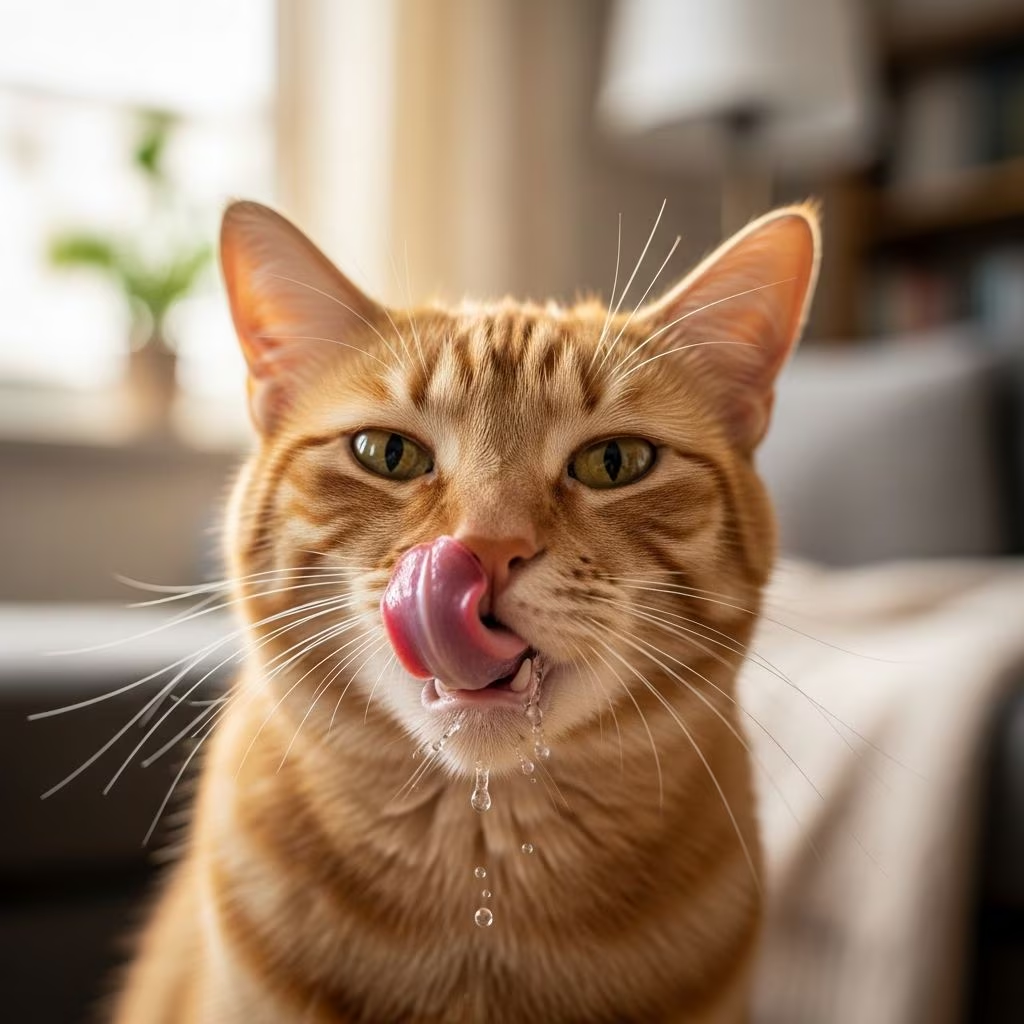
Observing your cat frequently licking its lips can be puzzling. This behavior, while sometimes normal, may signal underlying issues ranging from instinctual grooming to health concerns. Understanding the context helps determine if it’s benign or requires veterinary attention.
7 Reasons Why Your Cat Licks Its Lips
Cats lick their lips for various reasons. Here’s a breakdown of the most common causes, supported by feline behavior experts.
1. Grooming After Eating
The **most common reason** cats lick their lips is post-meal grooming. This instinct stems from wild ancestors who removed scent traces after eating to avoid attracting predators or alerting prey. Domestic cats retain this behavior, licking lips to clean residual food smells and maintain stealth.
After meals, you’ll notice thorough face and paw cleaning. This is normal and healthy, promoting hygiene. If licking occurs only post-feeding without other symptoms, no concern is warranted.
2. Oral Pain or Dental Issues
Frequent lip licking often indicates **oral pain** from dental disease, gum infections, or tooth problems. Cats may drool excessively (distinct from happy kneading drool), paw at their mouth, show appetite loss, or have foul breath.
Dental tartar buildup fosters bacteria, damaging gums and causing discomfort. Advanced cases lead to periodontal disease. Check for red gums, loose teeth, or reluctance to eat hard food. Early vet intervention prevents escalation.
3. Stress, Fear, or Anxiety
When no food is involved, lip licking signals **nervousness or fear**. Cats display this as a displacement behavior during stress, like vet visits or new environments. Accompanying signs include flattened ears, dilated pupils, or hiding.
Household changes—new pets, moves, or loud noises—trigger anxiety. Compulsive licking may evolve into over-grooming (psychogenic alopecia), causing hair loss. Observe context and body language for confirmation.
4. Nausea or Digestive Upset
**Lip licking with swallowing** often means nausea. Vomiting may follow, linked to hairballs, dietary indiscretion, or illness. Cats lick to soothe or remove unpleasant tastes post-vomit.
Dehydration exacerbates this; ensure fresh water access. Persistent cases warrant checking for toxins or gastrointestinal issues.
5. Upper Respiratory Infections or Allergies
Cats with **upper respiratory issues** lick lips more due to nasal congestion or post-sneeze discharge. Allergies to pollen, dust, or products cause similar irritation.
Symptoms include sneezing, watery eyes, or coughing. Feline herpesvirus or calicivirus commonly cause these; vaccination helps prevent. Keep environments clean to minimize allergens.
6. Excessive Salivation (Ptyalism)
**Ptyalism**, or excess saliva, prompts constant licking. Causes include foreign objects, tumors, abscesses, kidney disease, toxins, or mouth injuries.
Serious triggers like renal failure increase saliva production. Sudden onset with drooling demands immediate vet evaluation to rule out poisoning or obstructions.
7. Dry Mouth (Xerostomia)
**Extreme dry mouth** leads to licking for moisture relief. Linked to dehydration, fever, kidney/liver disease, medications, or severe anxiety.
Endocrine disorders like diabetes contribute. Monitor water intake; increased thirst alongside licking suggests systemic issues.
When to Worry About Cat Lip Licking
Not all lip licking is problematic, but **context matters**. Worry if:
- It’s frequent outside mealtimes.
- Accompanied by drooling, vomiting, appetite loss, or lethargy.
- Your cat paws at its mouth or avoids food.
- Behavioral changes like hiding or aggression appear.
Isolated post-meal licking is fine; persistent or clustered symptoms indicate medical needs.
How to Stop Excessive Lip Licking in Cats
Addressing the root cause is key. Steps include:
- Veterinary exam: Rule out dental, nausea, or systemic diseases. Dental cleanings under anesthesia may be needed.
- Dental care routine: Brush teeth weekly with cat-safe toothpaste; provide dental treats.
- Diet adjustment: Switch to sensitive stomach food if nausea-related.
- Stress reduction: Use pheromone diffusers (Feliway), provide hiding spots, maintain routines.
- Parasite prevention: Monthly flea treatments to avoid allergy-induced licking.
For compulsive cases, behaviorists may recommend anxiety meds or environmental enrichment.
Table: Lip Licking Causes and Signs
| Cause | Common Signs | Action |
|---|---|---|
| Grooming | Post-meal only, relaxed demeanor | Observe; normal |
| Oral Pain | Drooling, bad breath, pawing mouth | Vet dental check |
| Stress/Fear | Body tension, hiding, displacement grooming | Reduce stressors |
| Nausea | Swallowing, vomiting | Monitor diet; vet if persists |
| Respiratory/Allergies | Sneezing, congestion | Clean environment; vet |
| Ptyalism | Heavy drooling, sudden onset | Emergency vet |
| Dry Mouth | Increased thirst, lethargy | Check hydration; bloodwork |
Frequently Asked Questions (FAQs)
Is lip licking always a sign of a problem in cats?
No, post-meal grooming is normal. Excessive or context-less licking may indicate issues.
Why does my cat lick its lips and drool?
Oral pain, nausea, or ptyalism. Drooling with licking differs from contentment purring.
Can stress cause my cat to lick its lips constantly?
Yes, as a displacement behavior. Look for anxiety triggers and use calming aids.
What if my cat licks lips after vomiting?
Likely nausea-related cleanup. Persistent vomiting needs vet attention.
Does dental disease make cats lick lips more?
Absolutely; pain prompts investigation via licking. Regular checkups prevent this.
Final Thoughts on Cat Lip Licking
Lip licking is a feline communication tool. While often harmless, vigilance ensures your cat’s health. Consult a vet promptly for abnormalities to catch issues early. Regular care keeps your feline friend happy and symptom-free.
References
- 7 Reasons Why Cats Lick Their Lips — Cat Behavior Associates. Accessed 2026. https://catbehaviorassociates.com/7-reasons-why-cats-lick-their-lips/
- Excessive Licking in Cats: Why Do Cats Do This? — Festival Animal Clinic. Accessed 2026. https://festivalanimalclinic.com/blog/excessive-licking-in-cats/
- What It Means When Your Cat Is Smacking Their Lips — PetPlace.com. Accessed 2026. https://www.petplace.com/article/cats/diseases-conditions-of-cats/what-it-means-when-your-cat-is-smacking-her-lips



