

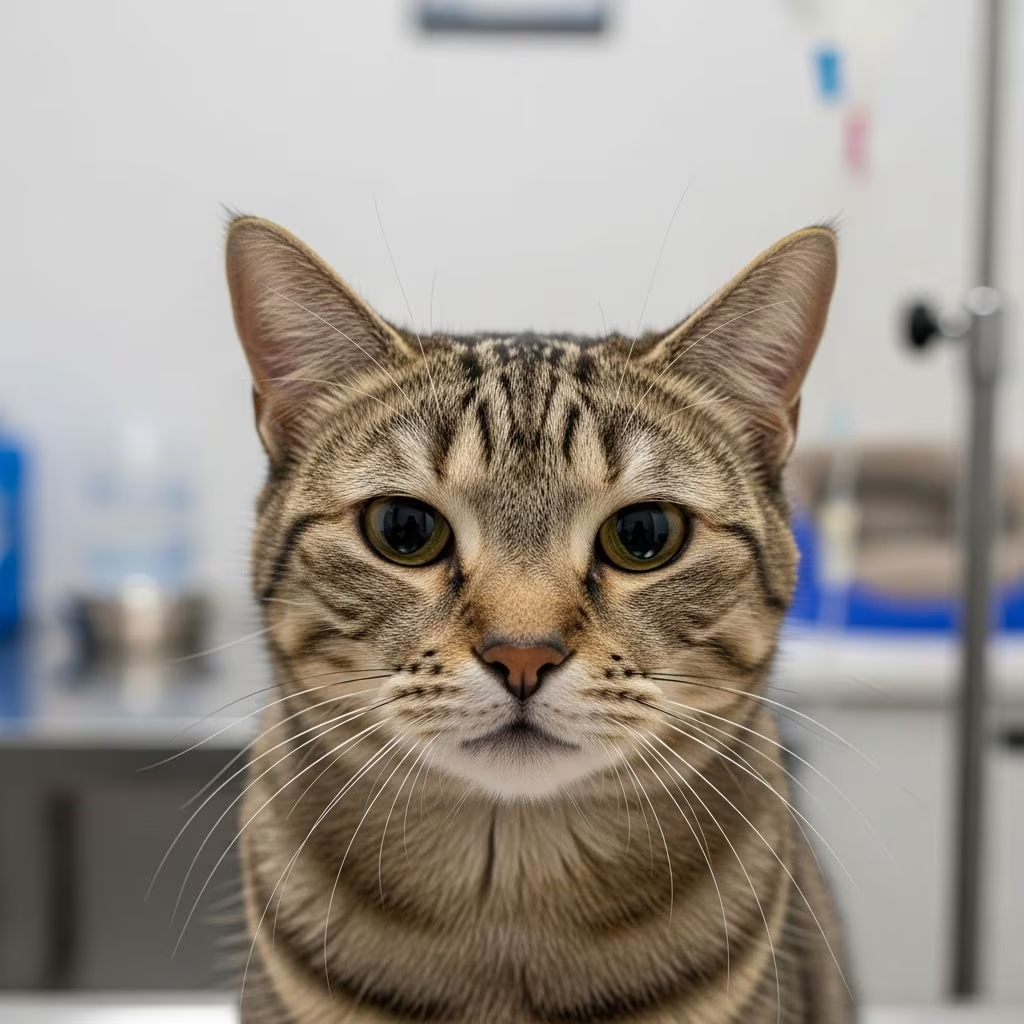
Recurrent urinary tract infections (UTIs) in cats can be distressing for both pets and owners, often signaling underlying health issues beyond simple bacterial invasions. While UTIs are relatively uncommon in healthy cats, repeated episodes frequently stem from factors like stress, diet, crystals, or systemic diseases, necessitating prompt veterinary intervention to prevent complications such as kidney damage.
What Is a UTI in Cats?
A urinary tract infection in cats involves bacterial proliferation in the bladder or urethra, leading to inflammation known as cystitis. Unlike in dogs, true bacterial UTIs are rare in cats unless predisposed by conditions like diabetes or immunosuppression. More often, symptoms mimic feline idiopathic cystitis (FIC) or feline lower urinary tract disease (FLUTD), where no bacteria are present but irritation causes similar distress.
Cats’ urinary systems are delicate; the bladder’s lining can become inflamed from concentrated urine, crystals, or stress hormones, creating a cycle of recurrent issues. Female cats face higher risks due to shorter urethras, allowing easier bacterial ascent.
Signs Your Cat May Have a UTI
Recognizing symptoms early is crucial, as cats instinctively hide pain. Common indicators include:
- Straining to urinate or frequent litter box visits with little output
- Blood-tinged urine (hematuria), appearing pink or red
- Urinating outside the litter box on cool surfaces like bathtubs or floors
- Excessive genital licking due to irritation
- Pain vocalizations (crying or whining) during urination
- Strong ammonia odor or cloudy urine
- Lethargy, vomiting, or appetite loss in severe cases
These signs overlap with FLUTD, affecting up to 1% of cats annually, emphasizing the need for diagnostics.
Why Do Cats Get Recurrent UTIs?
Recurrent UTIs rarely occur in isolation. Key contributors include:
- Bacterial ascension: Bacteria enter via the urethra, thriving in alkaline or concentrated urine.
- Bladder stones/crystals: Mineral buildup irritates the lining, fostering infections; common in struvite or calcium oxalate types.
- Stress: Triggers FIC, causing bladder spasms without bacteria; environmental changes like new pets exacerbate this.
- Underlying diseases: Diabetes, hyperthyroidism, or kidney disease weaken immunity and dilute urine poorly.
- Dehydration: Cats’ low thirst drive leads to concentrated urine, irritating the tract.
- Obesity/poor grooming: Limits cleaning, allowing bacterial buildup.
In young cats, idiopathic causes dominate; seniors face metabolic risks. Females’ anatomy heightens vulnerability.
Diagnosing Recurrent UTIs in Cats
Veterinarians start with a urinalysis to detect bacteria, crystals, blood, or pH imbalances. Urine culture confirms pathogens, guiding antibiotics. Imaging like X-rays or ultrasound reveals stones or blockages, critical in males prone to urethral obstruction—a life-threatening emergency.
Bloodwork assesses kidney function, glucose, and thyroid levels. For recurrent cases, stress panels or cystoscopy may identify FIC or tumors.
| Test | Purpose | Key Findings |
|---|---|---|
| Urinalysis | Initial screening | Bacteria, crystals, blood, pH |
| Culture/Sensitivity | Identify antibiotics | Specific bacteria & resistance |
| Imaging (X-ray/US) | Detect obstructions | Stones, tumors, thickening |
| Bloodwork | Systemic check | Kidney values, diabetes markers |
Treatment for Cat UTIs
Treatment targets the cause:
- Antibiotics: 7-14 days for confirmed infections; avoid empiric use to prevent resistance.
- Pain relief: NSAIDs or buprenorphine ease discomfort.
- Dietary changes: Prescription foods acidify urine or dissolve crystals.
- Fluid therapy: Subcutaneous or IV to flush the system.
- Stress reduction: Pheromones, environmental enrichment for FIC.
Hospitalization is needed for obstructions, with catheterization to relieve blockages. Follow-up cultures ensure resolution.
How to Prevent Recurrent UTIs in Cats
Prevention focuses on lifestyle:
- Hydration: Wet food, fountains increase water intake, diluting urine.
- Diet management: Urinary-specific kibble prevents crystals.
- Litter hygiene: Scoop daily, provide multiple boxes.
- Stress minimization: Vertical spaces, routines, no sudden changes.
- Weight control: Exercise combats obesity-related risks.
- Regular vet checks: Especially for seniors or diabetics.
Supplements like glucosamine support bladder lining in FIC cases.
When to See a Vet for Cat UTI Symptoms
Seek immediate care if your cat strains without producing urine, as blockages can cause death within 24-48 hours. Any blood, inappropriate urination, or distress warrants a visit within 24 hours. Recurrent episodes (3+ in a year) signal chronic issues needing specialist input.
FAQs
Can stress cause UTIs in cats?
Yes, stress induces FIC, mimicking UTIs with inflammation minus bacteria; management includes environmental calming.
Are UTIs common in male vs. female cats?
Females are more prone due to shorter urethras, but males risk fatal blockages from crystals.
How long do cat UTIs last with treatment?
Most resolve in 7-14 days with antibiotics, but follow-ups prevent recurrence.
Can diet prevent cat UTIs?
Absolutely; urinary diets control pH and crystals, reducing risks by up to 50% in prone cats.
What home remedies help cat UTI symptoms?
Increase water via fountains/wet food; never self-medicate—vet care is essential.
References
- Cat Urinary Tract Infection – Symptoms, Treatment & Recovery — Animerge Vets. 2021-05-30. https://www.animergevets.com/site/blog/2021/05/30/cat-urinary-tract-infection
- UTI in Cats: Exploring the Signs, Causes, and Treatment Options — Bond Vet. N/A. https://bondvet.com/blog/uti-in-cats-symptoms-diagnosis-treatment-and-prevention
- How to Care for a Cat With a Urinary Tract Infection or Disease — Bear Creek Vet. 2023-11-30. https://www.bearcreekvetonline.com/site/blog/2023/11/30/how-care-cat-urinary-tract-infection-disease
- Cat Urinary Tract Infection: Symptoms, Causes, and Treatment — Mountain Veterinary Service. N/A. https://www.mountainveterinaryservice.com/cat-urinary-tract-infection-symptoms-causes-and-treatment/
- 8 Symptoms of a Feline Urinary Infection — Frontier Vet Urgent Care. N/A. https://frontierveturgentcare.com/blog/feline-urinary-infection-milwaukee-wi/
- Urinary Tract Infections (UTIs) in Cats — VCA Animal Hospitals. N/A. https://vcahospitals.com/know-your-pet/urinary-tract-infections-utis-in-cats
- Cat Urinary Tract Problems and Infections — WebMD. N/A. https://www.webmd.com/pets/cats/cat-urinary-tract-problems



